Imagine this: It is game time, the buzz is on, and then suddenly one of the wild swings of an elbow has left you staring at a hole in the wall of the living room the size of a fist. Or the zoomies of the dog perhaps crashed through the drywall in the hallway. Heart sinks, right? We have all been there in our hectic USA houses, staring at those hideous sheetrock holes that scream at us to be filled immediately! However, drywall repair is not a professional secret. You can plaster that wall like a complete boss; you need no contractor charges.
You can get a dent in your sheetrock in a few seconds by kids banging doors, or even a runaway vacuum cleaner. Left unattended, these spots increase in size as headaches with peeling paint or worse. Good news? Purchasing a cheap drywall patch kit and a couple of hours will teach you to fix a hole in the wall and save you $200 and above per job. From tiny nail pops to doorknob dings, this guide walks you through every step for pro results. Let us put on our sleeves and make that nightmare of repairs on a damaged sheetrock, anything to win!
Why Bother with DIY Drywall Repair?
One of such fast fixes is drywall repair, which enhances the appearance of your home without draining your wallet too much. Pros charge $100 to $300 to do small jobs, but you can do sheetrock holes on your own for less than $20. It is empowering to do it on your own, and it makes minor problems not become massive problems, such as water damage or peeling paint.
Think about curb appeal, too. Patched holes in unstained walls are more successful in selling houses in the USA real estate market. Homeowners with perfection in repairing sheetrock save unnecessary repairs that are unending, and feel proud of their work. Besides, it is an ability that is applicable in rentals or flips.
What You’ll Need for Drywall Patch Kit Basics
To begin discussing how to patch a wall, to begin with, take the correct stuff. A simple patch kit of drywall available in shops such as Home Depot or Lowe’s has spackle, mesh patch, putty knife and sandpaper all at less than $10. To fix larger areas, you will need joint compound, 6-inch and 12-inch drywall knives, a utility knife, a jigsaw, and screws.
A dust mask, drop cloth, and tack cloth will also be needed to clean up. Pro-tip: Spackle is quick to dry when used on small areas of application, and joint compound is premixed on large areas. Align your texture paint on the wall if required. Safety first, wear goggles.
How to Patch Sheetrock Holes Step by Step
This is the core of the drywall repair and a complete manual on how to repair a hole in the wall, whether it is the dents of a pinpoint or even fist-sized holes. We will discuss small, medium, and large holes using the real-life examples, and you will be able to fix sheetrock like a professional.
Tiny Holes (Under 1/2 Inch): Nail Pops and Dents
These are the simplest of the ways to get a hole in drywall mended. Small holes are left behind by door knobs or loose nails. Begin by flattening the dent with either your finger or a hammer.
Lightly rub sand about the area with 120-grit sandpaper to roughen the area. Wipe dust with a damp cloth. Place scoop spackle on a putty knife out of your drywall repair kit. Stuff it to the brim. Smooth feathers, nothing to thicken and to blend.
Allow 30-60 minutes to dry, put your hand on it, and it is not supposed to stick. Smooth sand with 220-grit all around. Done! Paint matches later.
Example: I had a friend who replaced a nail pop in his living room in Texas in 15 minutes altogether.
Medium Holes (1/2 to 3 Inches): Doorknob Dings
When it comes to patch jobs that involve a self-adhesive patch of sheetrock hole walls, such as this case, take a patch that comes in this kit that is self-adhesive. A trait of high-traffic areas, such as hallways.
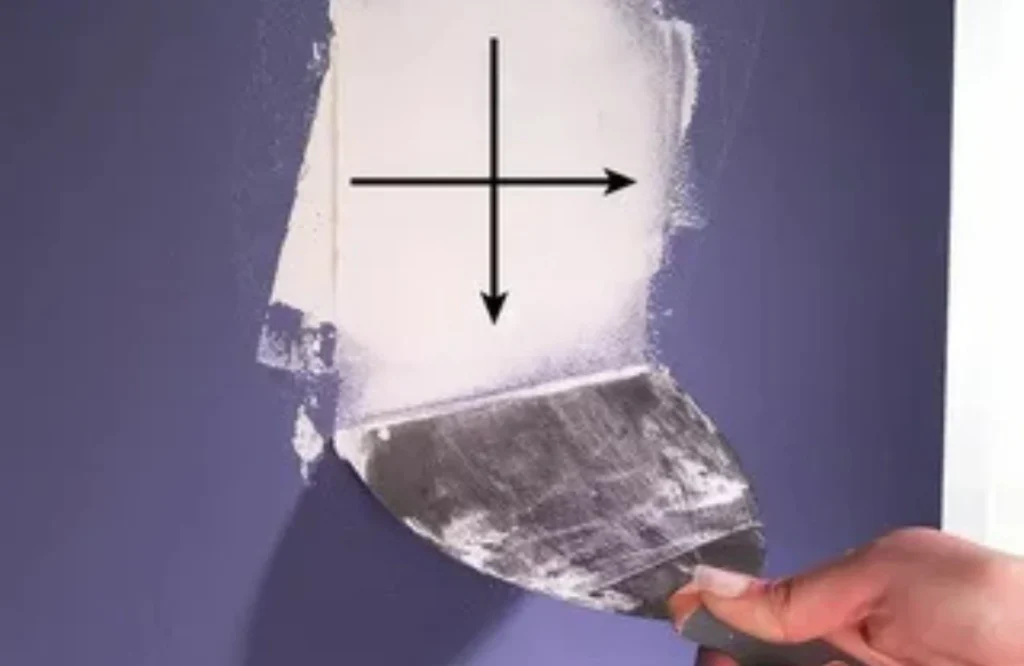
Sand and clean the area first. Cover the entire hole with a cut mesh that is 1 inch bigger. Bubbles of the press peel the backing stick centered over the hole. Apply over it a spread joint compound or spackle in a criss-cross, with a 4-inch knife. Dull edges become thin, and press further.
Dry 1-2 hours, sand flat. For a second and wider coating, dry, sand. Third coat for perfection.
Ad case: Roughhousing fist hole? The technique conceals it under the smooth texture of orange peel that is prevalent in Florida houses.
Large Holes (3 to 10 Inches): Furniture Bumps
Repair of damaged sheetrock requires support. Jab saw two corners of the hole square. Turn on a flashlight in there, beware of wires!
Insert backer: This is scrap wood that is 4 in. Longer than the hole. Drill through holes in the sides of the screws. Cut drywall patch, screw to backer. Apply fiberglass tape over the seam, then mud over it.
Primer barely on the patch and seams. Dry overnight, sand. Second coat wider (6-inch blade), 3rd even broader (12-inch). Feather every time. Sand of gradually diminishing size: 120, 150, 220. Sample: Repaired a crash of a 6-inch vacuum cleaner in my garage, which took 2 hours and appears factory.
Huge Holes (Over 10 Inches): Full Panel Swap
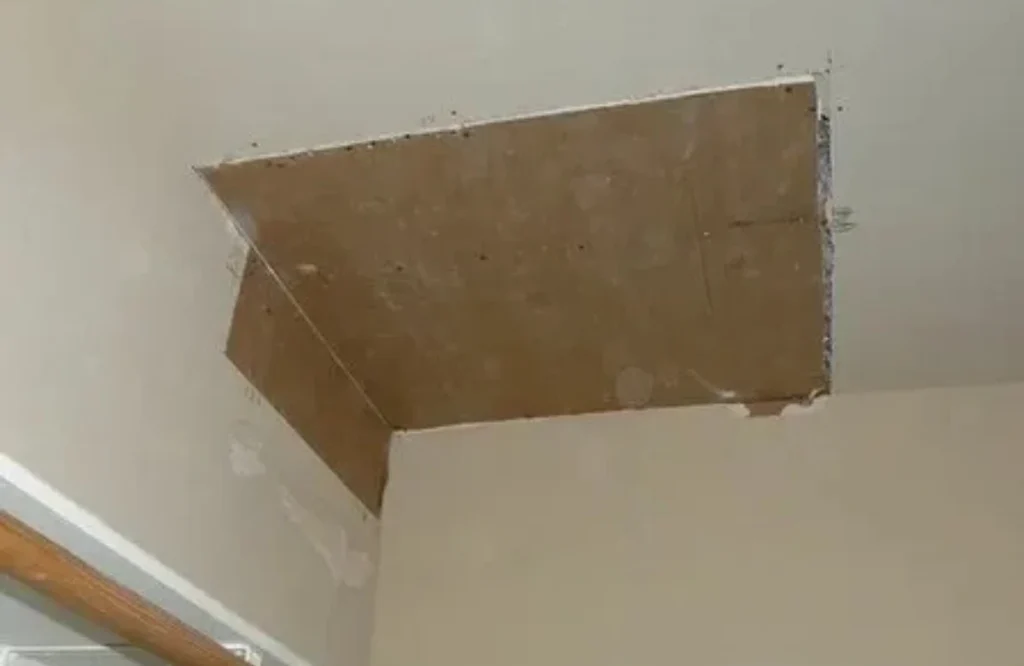
In case of serious fixing of sheetrock, such as after a move, excavate up to the nearest stud. Determine studs using a finder or a knock test.
Attachment Screw furring 1×3 above/below holes in studs. New drywall cut up and screwed in. Taped, mud three coats as above.
Pro move: Speed-wise, a set-type compound (45-minute) should be used.
Texture match: Spray orange peel or practice on cardboard, knockdown. Paint two layers after being textured and then prime with stain-blocking primer. Examples: Replaced a 2×2-foot piece, which collapsed in a shelf; mixed perfectly in an apartment in Chicago.
Finishing Touches for Every Patch
Patching After patch, wipe with a tack cloth. Otherwise, drywall paper is sucked out with paint and primer to seal. In case of textured walls (80% of homes in the USA), spray cans should be marked Homax orange peel. Room temperature, 10 inches in front of the light, dry air, 30 minutes.
No paper tears, sand high spots. Feathering paint edge-to-edge. Two coats hide everything. Time per hole: 1-4 hours, and drying.
Troubleshoot: Bubbles? Bad adhesion, redo the patch. Cracks? Too thick mud, thin next time. Uneven? More feathering. Equipments have a long life; kits are reusable. Practice on scrap first!
This technique is tied to the way to repair a hole in a sheetrock wall. It operates throughout the country, California bungalows, and New York rentals.
Top Tips for Pro-Level Drywall Patches
- Work in good light, use a shop light clipped nearby.
- Thin coats dry faster; thick ones crack.
- Buy extra mesh patches; they’re cheap insurance.
- For popcorn texture, wet-sand lightly; don’t destroy it.
- Paint sample on scrap to match first.
- Humidity slows drying, use a fan.
- Clean tools in water right away.
These make fixing sheetrock foolproof and fast.
Benefits of Mastering Drywall Repair
Save big: DIY costs $10-50 vs. $200 pro fees. Boost confidence for other fixes. Increase home value; no visible patched hole distracts buyers.
Eco-friendly: Reuse scraps, less waste. Flexible schedule, patch anytime.
Conclusion
From grabbing a simple drywall patch kit to tackling tiny nail pops, doorknob dings, or even those bigger gaps from furniture mishaps, you’ve got the step-by-step know-how to fix a hole in the wall drywall without stress. No more staring at damaged sheetrock repair jobs, wondering how to patch a wall. Thin coats, smart backers, and a little patience make every patched hole disappear under fresh paint and texture. You’ll save hundreds compared to hiring out, boost your home’s curb appeal, and gain confidence for any Sheetrock challenge that comes your way.
Ready for more pro tips on home fixes? Swing by Patch Pros of North Dallas today for guides, tools, and services that keep your walls flawless.
FAQs
How long does drywall spackle take to dry?
Lightweight spackle dries fast, often in just 30 minutes for thin layers you apply during DIY drywall repair. Thicker coats or joint compound might need 1 to 24 hours per layer, depending on humidity and room temp. Always check by touch, if it’s hard and not sticky, sand and add the next coat for a smooth patched hole.
What’s the best drywall patch kit?
For beginners tackling how to patch a wall, go for 3M or DAP all-in-one kits that include mesh patches, spackle, and tools. They’re under $15 at Home Depot or Lowe’s, easy to use, and perfect for fixing sheetrock holes up to 6 inches. Users love how they make damaged sheetrock repair simple without extra trips to the store.
Can I paint right over a patched hole?
No, always prime first to seal the drywall patch and stop it from soaking up paint unevenly, which causes flashing. Use a stain-blocking primer like Kilz, let it dry, then apply two coats of matching paint. This step ensures your fix hole on drywall blends perfectly with the rest of the wall.
How to fix a hole in the wall drywall without mesh?
For small spots under 2 inches in size, how to fix a hole in the wall drywall, just spackle directly after sanding clean. For larger ones, use a California patch: Cut scraps of drywall, screw them behind as backers, then patch over. No mesh needed, it’s a solid DIY trick for quickly fixing sheetrock.
Does texture spray match perfectly?
Texture spray gets close for most USA walls like orange peel or knockdown, but practice on cardboard first to nail the pattern. Hold the can 10 inches away, light passes, and build up slowly. It won’t be 100% perfect on old walls, but after priming and painting, your patched sheetrock hole wall looks pro.
When to call a pro for sheetrock repair?
Call a pro if the hole’s over 12 inches, there’s water damage causing soft spots, or studs are cracked from impact. These jobs risk structural issues or mold. For standard doorknob dings or fist holes, DIY with a drywall patch kit saves money and time; you’ve got this!
What’s the cost of damaged sheetrock repair if DIY?
DIY damaged sheetrock repair runs $10-$40 in materials like spackle, mesh, and tape from any big box store. Factor in 1-3 hours of your time, depending on hole size and drying waits. It’s way cheaper than $200+ pro fees, and you learn skills for future fix sheetrock jobs around the house.