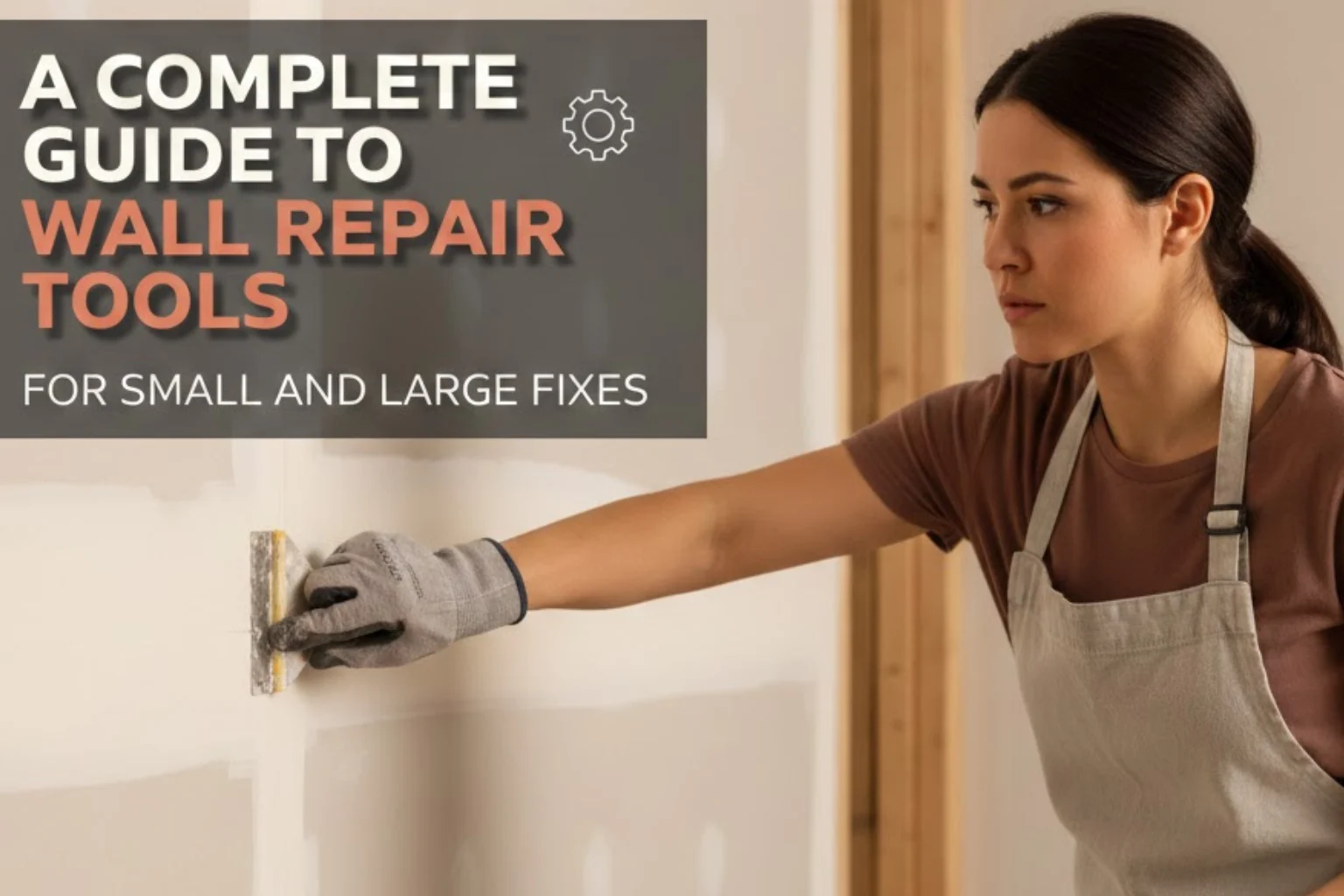
Have you ever looked at a wall that has a dent and wondered how to fix it without requesting the services of a professional? You’re not alone. Bangs of doorknobs, cracks of settling houses, nail holes of pictures pinned on the walls, fall to all. That is where the wall repair equipment such as spackle, compound, and patch kits come in and they are the instant remedy for smooth walls once again.
Here we are going to simplify it in this post. We will discuss wallboard compound/spackle, how to spackle sheetrock holes, etc. These tools will ensure that patching the holes on the wall becomes simple, whether you are a DIY beginner or repairing to sell. Let us have those walls looking fresh.
What Are Spackle, Compound, and Patch Kits?
Imagine your soccer ball of your kid has punched a hole in the drywall. Something to fill it quickly, you must have. Sack spackle, compound, patch kits, the Christian trinity of wall repair.
Spackle, it is toothpaste on walls. It is a paste that dries faster and is lightweight, which is ideal during small projects such as the spackling of dry walls or the use of the paste to cover tiny nail holes. Buy any tube, squeeze it out, clean up with a putty knife, and sand it smooth in a few minutes at any hardware store.
Joint Compound is tougher and thicker than Drywall Compound. It is what professionals do when they need to do larger repairs, such as between sheetrock panels. It is also premixed in buckets and sands to a pro finish, although it is slow to dry, up to overnight.
It is all included in patch kits that include self-adhesive mesh patches, spackle or compound, a scraper tool, and sandpaper. They are wall hole patching and idiocy-proof. Consider think sheetrock repair kit/ patch kit/ everything in one box under $20.
These tools shine in rentals, flips or day in day out dings. There is no longer so much of a wall that looks down on you.
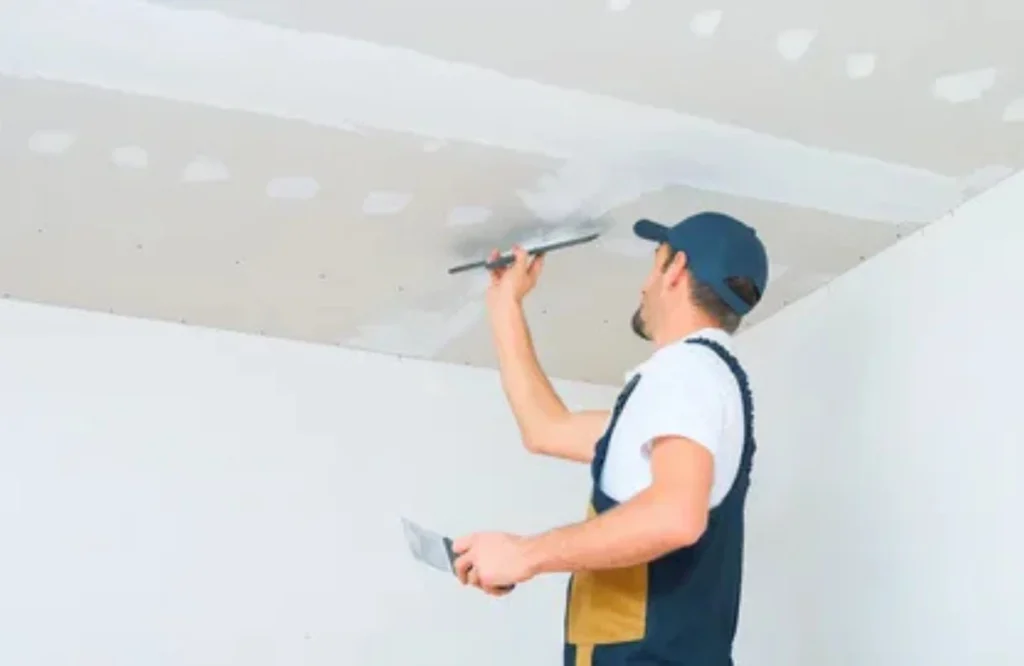
Where Do You Use These Wall Repair Tools?
Pits and gaps appear throughout a house. This is because of knowing where to put spackle or where to put a patch kit made of compound or where to put a wall repair.
In bedrooms or living rooms, the holes in sheetrock can be spackled in and used as picture hooks or furniture bumps. Grease sprays or shifts in the cabinets, wall putty to fill holes mends ones quickly before the paint cracks off.
Bathrooms? Drywall cracks due to humidity; therefore, apply compound to become strong. Patch kits are used to close gaps caused by the weather outdoors on the walls of the porches.
These are favorite among the renters regarding move-out inspections. The issue that is addressed by homeowners is how to do gypsum board repair. Basements get water damage, and patch kits with mesh hold up best.
Wall Repair Tools In-Depth: Spackle, Compound, and Patch Kits Explained
Let us get into these essentials. We will discuss wallboard compound and spackle, the difference between spackling and drywall compound, how to sheetrock repair and so on to have smooth walls with ease.
Spackle Basics
Spackle is a tubed paste (DAP, 3M, pink to white) that is ready to use. Would be good to spackle drywall less than 1/8 inch. Shrinks little, sands easily. Fill hole, overfill, dry 15-60 min, sand 120-grit, prime, paint.
My friend patched 20 nail holes in 30 mg, patching holes in the sheetrock. In case of wall putty to be used in holes (doorknob size), place sawdust to make it stick.
Drywall Compound Deep Dive
Compound (mud) is based on gypsum: topping (light finish), all-purpose, quick-set. Buckets 1-5 gallons.
Wallboard compound vs spackle. Spackle small/quick; compound Seams, cracks. Shrinks more (20%), so thin layers. 6-inch knife, feather 12 inches dry 24 hrs, sand.
Spackle vs Compound Differences
The evaporation of spackle is speedy (brittle); the curing of compound is sluggish (flexible). Sample: 6-inch settling crack -tape, coats of thin mud, sand 220-grit.
Patch Kits and Methods
Wall repair patch kit/ sheetrock repair kit: Mesh patch, spackle/compound, tools. To a patch kit on the walls
3 inches, stick, cloth, mud and feather. California patch: butterfly tape problems with drywall.
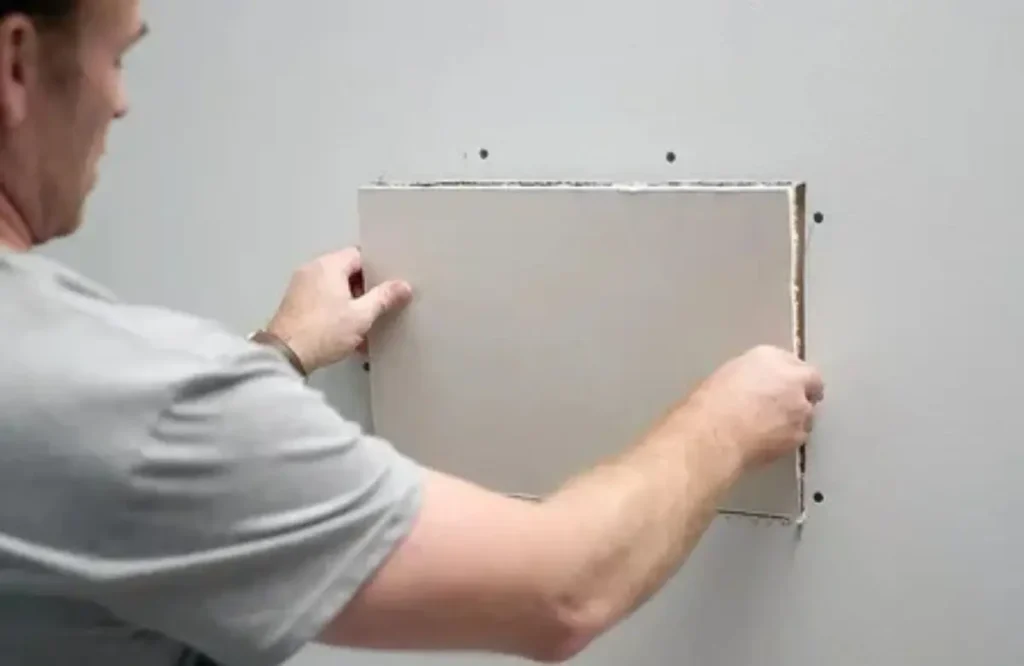
How to Sheetrock Repair a Big Hole
- Cut a square (4×4 max) with a saw.
- Reduce the sheetrock.
- Screw to stick backing.
- Mesh tape, thin mud.
- 2 coats, sand each.
- Texture, prime, paint.
Repaired a fist-hole with a $10 repair kit, which held on for several years. Sponge for texture.
Fillers, Pitfalls, Tools
Wall hole filler: Lightweight, exterior, no shrink, vinyl. It should not be overfilled, and should alwys be dried.
Equipment: knives ($5), sanding pole, vacuum, hawk. Prices: spackle, $5-$10 sq ft (10 ft 2 ), compound, $15/gal (100 ft 2 ), kits, $10-$25.
Safety: mask, goggles, ventilate.
Wins and Hacks
Rentals retain deposits; sellers get 10% value (Zillow). Microwave mud, setting-type, humidity test paint.
Know it: Speed of spackling, strength of compound, effort of kit, patching wall holes, and the method of fixing gypsum board.
Top Benefits of Using the Right Wall Repair Tools
Why bother with these over tape or hacks? Simple, they save money, time, and headaches.
- Quick fixes boost curb appeal: Smooth walls make homes sell faster. A wall repair patch kit turns a fixer-upper into move-in ready.
- Cost-effective DIY: $20 kit vs $200 pro call. Spackling holes in sheetrock? Under an hour.
- Long-lasting results: The difference between spackling and drywall compound means no callbacks. Compound flexes; spackle shines.
- Versatile for all skill levels: Newbies grab a patch kit for the wall; vets mix compounds.
- Eco-friendly options: Low-VOC formulas, no waste like plaster.
7 Essential Tips for Perfect Wall Repairs
Hit each job with these strategies. Bullet-pointed for easy skim.
- Wipe soap water Vacuum dust Clean holes first. Dry fully.
- There is the rule of thin layers: 1 /16 inch at a time. Prevents shrinking.
- Feather edges 12+ inches out. Blends invisible.
- Gradually: 100-grit rough, 220 finish.
- Match texture. Roll sponge in orange peel mud; blow texture cans in knockdown.
- Apply before the paint, Clear PVA or Kilz. Seals pores.
- Practice on scrap. Builds confidence fast.
Conclusion
Since spackling drywall dings up to complete sheetrock repair, it is all done by spackle, compound, and patch kits. Pick spackle for speed, compound, and kits for simplicity. Do this, and your walls will be new.
Ready to tackle your fixes? Pick up the tools and begin now. Patch Pros of North Dallas is where one can find more pro tips and kits.
FAQ’s
Q: What’s the difference between wallboard compound vs spackle?
A: The spackle is very fast drying, usually within 30 minutes, so it can be used on a small hole such as nail pops or even tiny dings. Compound is also thicker and more robust in large locations; it also dries more slowly (up to 24 hours) but sands to a more professional finish with no cracking.
Q: How do I spackle holes in sheetrock?
A: Wipe the hole with the vacuum or a moist cloth to sweep the dust. Apply with a putty knife and apply a little more than necessary, allow to dry for 30 minutes and then sand smooth before priming and painting to create a smooth appearance.
Q: Can I use wall putty for holes on textured walls?
A: Wall putty for holes: Yes, it applies to textured surfaces that have an orange peel or knockdown texture. Once the sanding has been done, apply more putty with a sponge or apply a spray texture can to perfectly fit the pattern of the wall, then paint.
Q: What’s in a sheetrock repair kit?
A: The normal sheetrock repair kit consists of an adhesive patch of mesh, a container of compound or spackle, a putty knife, and sandpaper. Everything you require to do fast jobs on patching wall holes, everything comes in one package, so that you can store it easily and start your job at the same time.
Q: How to repair gypsum board cracks?
A: To begin with, cover the crack with press paper or mesh tape and install it in a thin coat of compound with a wide knife. Coat on 2-3 additional layers, feathering the edges outward and sanding in between each time it becomes dry to allow a crack-free set to adhere.
Q: Is spackling drywall the same as using a patch kit for the wall?
A: No, spackling drywall is simply applying paste on extremely tiny areas such as pinholes, fast but not structural. The wall patch kit provides a mesh fabric behind bigger holes, which provides more strength, resulting in the repair being held together as time passes without sticking out.