Hey there, homeowner! Have you ever looked at a dent in your wall or a bad crack in your drywall and wondered how in the world you are going to fix it without bringing in the heavy artillery? You’re not alone. Drywall problems arise everywhere, be it children being too rough or doors closing over. This guide simplifies it, meaning that you can address a fast wall repair or know when you need to hire professionals to set up a drywall repair.
You need your place to look good to paint a new layer, or you simply want your place looking presentable; we’ve got you. We are going to explore patching tricks, why the level 5 drywall finish is so special, and also how to locate quality local repair services for drywall in your area. Let’s get those walls back in shape.
What Is Drywall Repair and Why Does It Matter?
The daily life of the US subjects its drywall, which is that smooth gypsum layer that covers most of the interior of US homes, to a beating. Drywall repair is a type of job that is used to repair holes, cracks or water damage so that your walls are strong and attractive. Consider it: The harm is not controlled, and larger problems, such as mold or structural problems, develop.
Why should I get down to repairing the drywalls immediately? It increases the value of your home, particularly when selling in hot markets such as Texas or Florida. Besides, it averts the small patches of walls from costly refurbishing. In the US, where most of the suburbs have homes that are 40-50 years old, fixes on a regular basis make things look new without straining the wallet.
Where Do Drywall Problems Show Up Most?
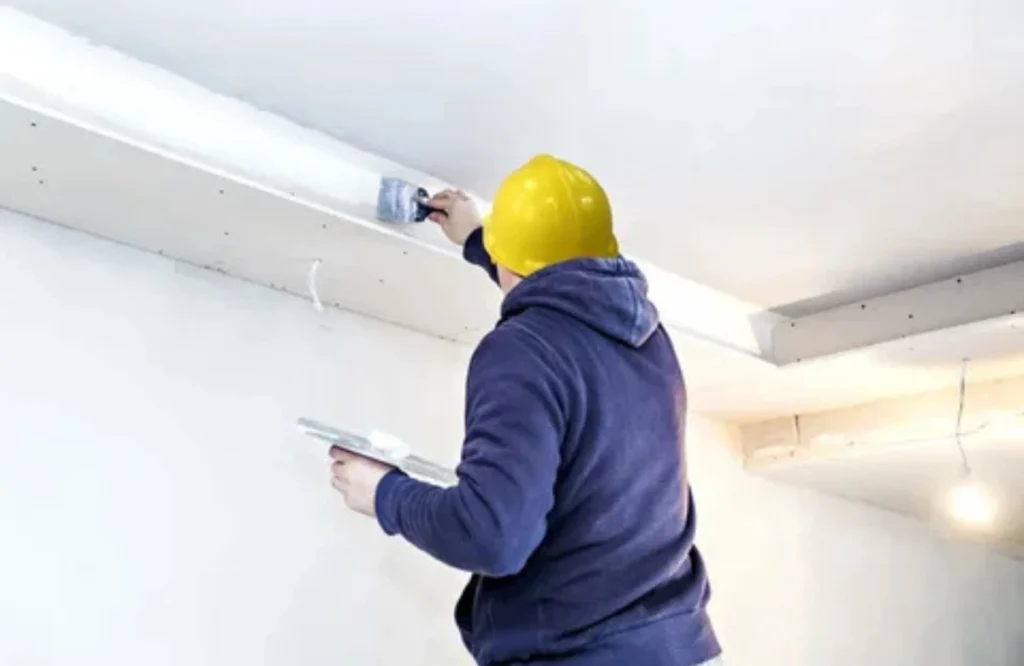
You will find drywall hassles in busy places. Kitchens and bathrooms also tend to be damaged by leakages, leaving soft spots that require a concrete wall patch. Scuffs are observed in hallways during the furniture transportation, and the rooms of the kids are left with unintentional holes during the fights with the toys.
Settling foundations in older homes in the US create cracks near the doors and windows. Basements are highly likely to be infected with problems of humidity, and attics may have pest chew marks. Being aware of where to look, such as behind peeling paint or the area near the plumbing, assists you in discovering the requirement of repairing the drywall early.
Mastering Drywall Repair: Patching, Level 5 Finish, and More
Let’s roll up our sleeves and get into the heart of it. Repairing drywall is not that difficult to do, but it is better to do it correctly. We will discuss the simplest and most basic wall patches as well as the professional level, such as level 5 drywall finish, and level 5 gypsum board finish. You need this section to help you, whether you are a DIY beginner or are in search of a drywall repairer.
Starting with the Basics: How to Do a Drywall Patch
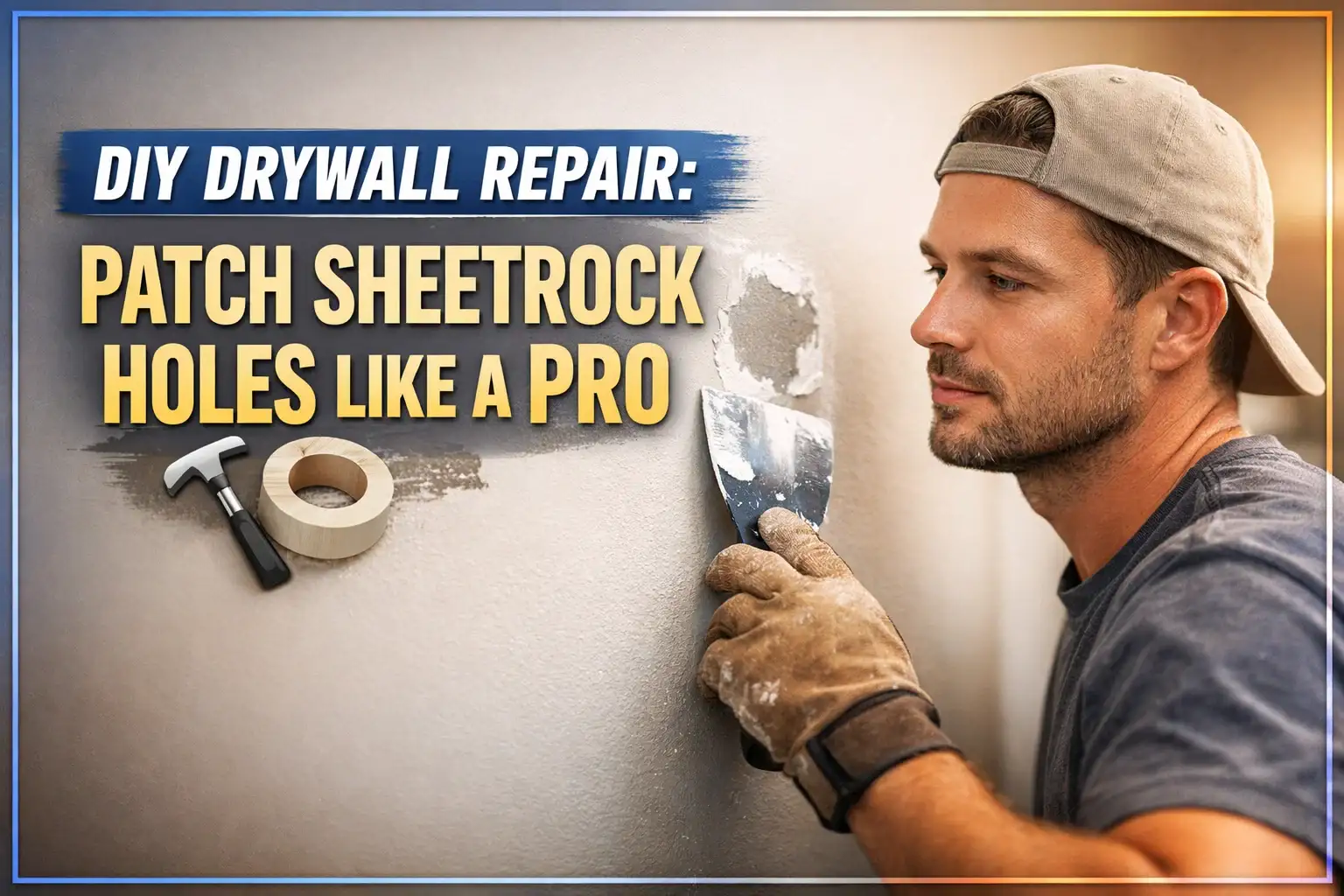
The simplest tool to use in addressing small dings less than 6 inches is a simple patch of drywall. Prepare the following tools: Joint compound, putty knife, sandpaper (120-220 grits), mesh tape and a scrap piece of drywall in case it is a hole.
- Clean up the place, sweep the dust and scrapings.
- In the case of dents, smear on the compounds using the knife, feathering the edges.
- Tape the holes, apply big, thin layers of compound. Let each dry (about 24 hours).
- Sand smooth after it is dry, prime and paint. Boom, wall patch done.
Hack: In damp areas such as bathrooms, patches should be done with gauges that are resistant to molds. I have installed dozens of them in my own house, and it is very resistant to the US Midwest dampness.
Tackling Bigger Jobs: Full Drywall Repair Steps
In the case of larger holes ( consider doorknob punches ), use a drywall saw to excavate the ruined square. Take a scrap of gypsum board and measure and cut a patch, slightly smaller in size, so that it fits readily.
- Paste support (strips of wood screwed on the back).
- Secure the patch with screws.
- Sew seams using paper or mesh tape.
- Use three layers of compound, and expand each application so as to blend smoothly.
The dry time, depending on humidity, is more rapid in dry Arizona and slow in rainy Seattle. This pro appearance between coats with sand. Combine this with drywall and paint to complete the renovation; new paint will cover up the fixes well.
Understanding Level 5 Drywall Finish: The Gold Standard
At this point, the luxury: Level 5 drywall finish. It is the smoothest and perfect finish to gypsum boards that are required when one wants to have a flat-painted wall, or glossy work in a new US house. The Gypsum Association establishes five levels, with level 5 being the highest one, three full coats of compound sanded ultra-smooth with a skim coat on the overall surface.
Why gypsum board finishes in level 5? It conceals flaws in bright surroundings, which are ideal in open concept living rooms or home offices that use LED lamps. No sanding lines, no lines of tape, perfect for flipping high-end in the California or New York markets.
Achieving it:
- Prep: Must have level 4 base (two coats minimum).
- Skim coat: This is a layer of all-purpose compound over it all.
- Sand lightly (320 grit).
- Seal with a prime having a high-build primer.
Expect 48-72 hours total dry time. Evenness is produced through wide knives, which are used by pros (12-16 inches). I have worked in level 5 and turned a run-down ranch house into a showpiece, which increased the sale price by 5-10%.
Level 5 vs. Other Finishes: When to Choose What
Not every wall needs level 5. Level 3 suits textured walls; level 4 works for matte paints. But for level 5 drywall finish, go there if selling soon or loving that sleek vibe.
| Finish Level | Best For | Coats Needed | Pro or DIY? |
| Level 3 | Textured walls | 1-2 | DIY easy |
| Level 4 | Flat paint | 2 | DIY doable |
| Level 5 | Glossy/smooth | 3+ skim | Pro recommended |
Examples: In a Florida condo, level 5 prevents “picture framing” (paint lines showing). Midwest basements? Level 4 suffices unless remodeling for Airbnb.
Integrating Drywall and Painting for Pro Results
Drywall repair is polished with painting. Patching should be followed by 24 hours of waiting and finally priming with PVA or drywall primer, as required. Apply two paint layers, eggshell in residential rooms, semi-gloss in baths.
Suggestion: Do not forget to apply primer during repair. It results in flashing, patches that will walk through paint. In the case of drywall and painting combinations, be sure to hire a team; it blends perfectly with them.
When DIY Isn’t Enough: Finding a Drywall Fixer
Big projects such as ceiling repairs or entire room level 5 gypsum board finish require that you consider who the drywall repair pros are. Find licensed contractors through Angi or HomeAdvisor and read their reviews to find clean work and on-time.
In the US, patches cost between $1.50 and $3 per sq ft; level 5 costs between $2 and $4. In Dallas, expect $500 for a 10×10 room. Always get 2-3 quotes.
Safety first: Wear a dust mask, particularly when there is lead paint in the pre-1978 houses. Test in the old spots of asbestos.
Top Tips for Successful Drywall Repair
Home DIY repair of drywalls will save money, but clever tricks will keep it.
- Select the proper compound: Multipurpose most: Topping final level 5 coats.
- Work under adequate light: Work in a work light in order to identify defects.
- Feathers edges: Curve compound 12 inches down to avoid ridges.
- Dry time tricks: Fans are used to accelerate it; it should not be heated too much to crack it.
- Tools investment: $20 hawk has a pro compound.
Practice on scrap, first, during the case of wall patch pros.
Benefits of Hiring Local Drywall Repair Services
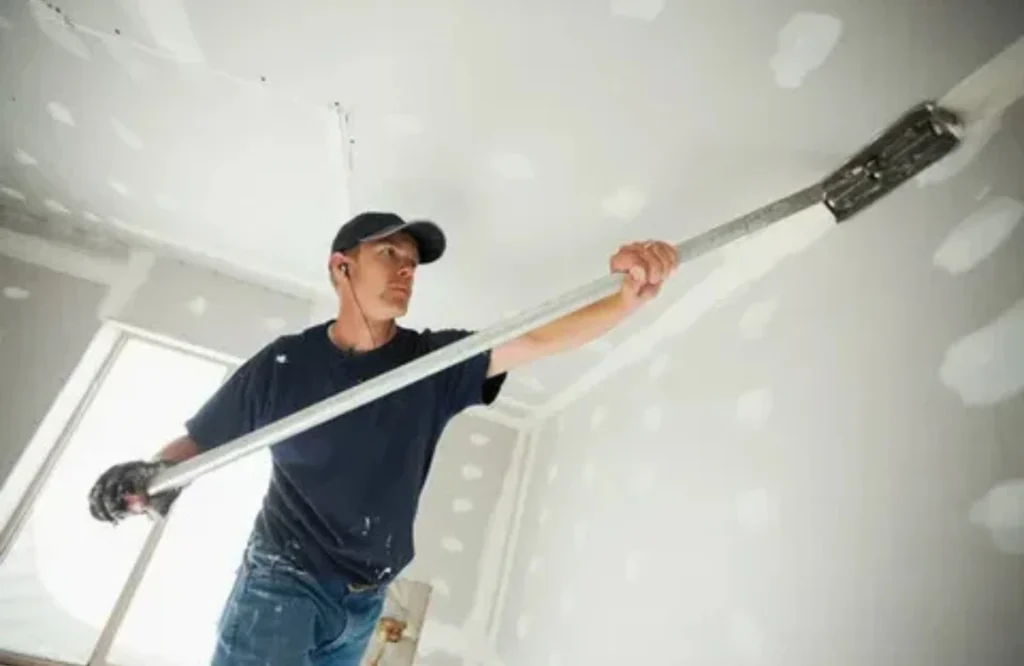
Skip the hassle, local drywall repair pros deliver speed and quality.
Benefits:
- Finishes- level 5 expert: That showroom finish never needs a redo.
- Warranty peace: The majority of them will offer 1-2 years of warranty on drywall repair.
- Saving time: A drywall fixer works on permits and removal.
- Insurance savvy: They record to make claims, prevalent in the storm-affected states such as Texas.
- Upsell benefits: Discounted drywall and painting.
The US local service is on average 20% less expensive than the chains with same-day availability in cities.
Conclusion:
There you have it, a full rundown on drywall repair, from easy wall patches to pro-level 5 gypsum board finish. You’ve learned the why, how, and when to call in local drywall repair experts. Your walls deserve this TLC.
Ready to fix that eyesore or upgrade to perfection? Contact Patch Pros of North Dallas today for top-notch drywall services in your area.
FAQs
What is a drywall patch?
A drywall patch is a quick fix for small holes or dents using compound and tape. It’s DIY-friendly and costs under $20 in materials.
How much does drywall repair cost?
Basic patches run $100-$300; full rooms with level 5 drywall finish hit $500-$2,000, depending on size and location.
What is a level 5 drywall finish?
Level 5 drywall finish is the highest smoothness standard, with a skim coat for flawless walls under any light, great for modern homes.
Who does drywall repair near me?
Search “local drywall repair” on Google or Angi for licensed drywall fixers. Check reviews and get quotes from 3 pros.
Can I do a wall patch myself?
Yes! For holes under 6 inches, follow the patch steps. For bigger jobs, call a pro to avoid uneven results.
What’s the difference between level 5 gypsum board finish and others?
Level 5 adds a full skim coat for zero imperfections; lower levels are faster but show under gloss paint.