Imagine the situation, you are about to sell your house. You have cleaned up the living room, polished the yard, and even baked cookies to present. However, the inspector of a buyer then reveals cracks or stains on your walls. Then suddenly your slick sale is snagged. Breaking drywall may be just a minor repair, but it can quietly eat away at your home’s resale value.
The leaky roof watermark that you had forgotten becomes a bargaining murderer. In this article, we are going to deconstruct how the problem of drywall is going to creep up on your wallet when going to sell, and how you can guard your bottom line.
Why Damages on Drywall Are Bad for Your Home Resale
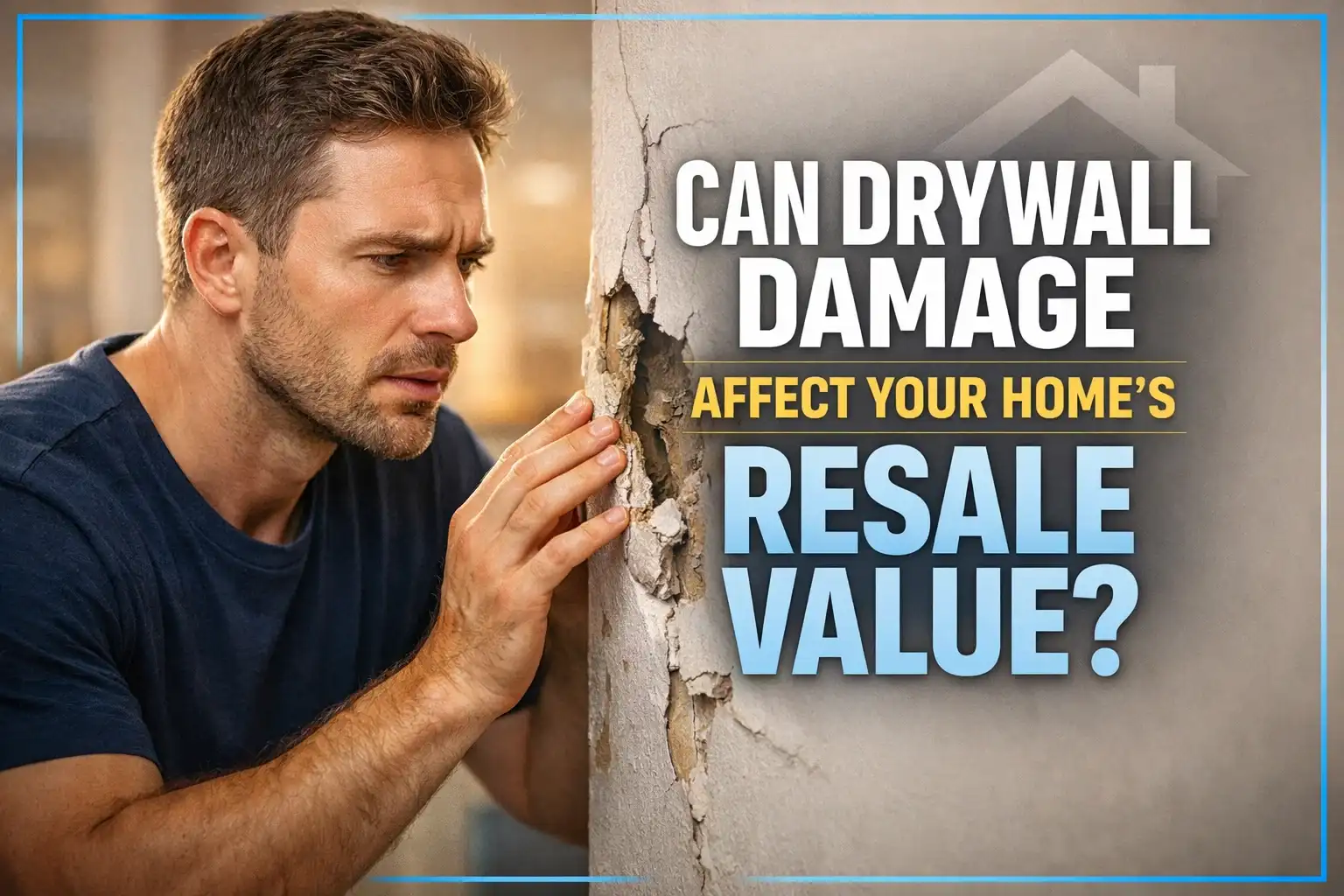
Drywall forms the interior of the walls of your house. It is all around homes in the bedroom and even in the kitchen, and once it is ruined, the buyers are the first to see it. Stains or cracks provide clues to larger issues, such as water leakage or bad workmanship. This is a direct blow to your home resale price since intelligent buyers (and their inspectors) deduct funds for repairing your property from their offers.
Think about it. A basic crack could cost you 200 USD to re-repair, yet in case of any hidden mold or structural factors, you are talking thousands. As per real estate experts, your sale price can be reduced by 5-10 percent because of apparent drywall issues. Sellers are usually left paying for repairs or even losing bids.
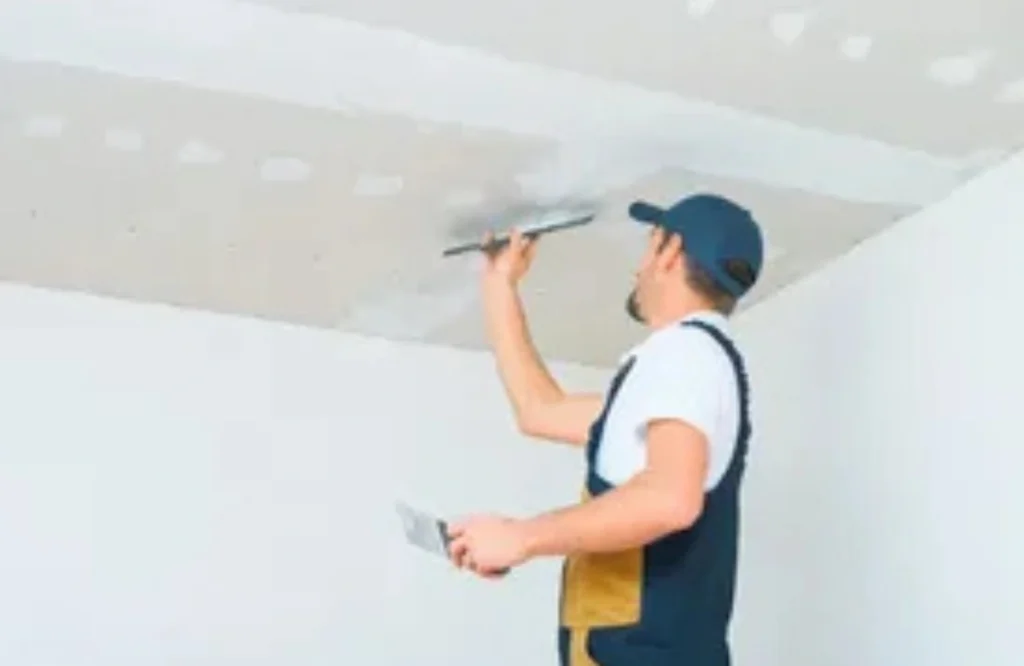
Where Drywall Damage Shows Up During a Home Sale
You will often find drywall damage in high-traffic areas. Bathrooms are affected by the splashes and the steam, attics by the leaks of the roofs, and basements by floods. Greases or dents due to everyday life activities are also observed, even in kitchens. These spots receive additional inspection during a home sale during the damaged walls home inspection process.
Walls are the first thing that buyers look at when walking through. A sinking floor in the dining room? Red flag. Peeling paint near a window? They assume water damage. Such broken walls result in lowball offers or deals breaking down. Be the first to see them, and you are ahead in the process.
How Drywall Damage Reduces the Home Resale Value
Now, to the very root of the matter: yes, the drywall damage does indeed impact your resale value on your home in many aspects, some of which you may not have anticipated. Drywall is not only Sheetrock, but the skin of your house. Once violated, it foreshadows carelessness and concealed expenses, not to mention the danger. There is one weakness identified, and the trust of the consumer is destroyed.
Begin with the obvious: visual attractiveness. Perfectly competitive homes move off the shelf at the normal price. Damaged ones take more time, leaving them with no option but to cut down prices. According to real estate statistics, an average decrease of 3-7 percent in the market value of homes has wall problems that are reported. Thousands wasted on a 400 thousand dollar house.
But it’s not just looks. Badly water-damaged drywall is a nightmare. When the moisture of the broken pipe or poor plumbing leaks, it becomes soft. It comes along with that stale smell that customers detest. It is flagged by the inspectors each time, and lenders may not like it when the mold tests are positive. It can cost $500-6,000 per room to remediate the mold, and customers will subtract the cost. Selling home with water damage and keeping quiet about it also results in future legal complications.
Physical destruction increases the ante. The cracks that spread like a web between the walls are a result of settling foundations. These are not DIY solutions but are indicative of sinking soil or unstable framing. If in the report of a home inspector, there is a mention of broken walls, then consider your dream offer as lost. It is also taken into consideration by the appraisers who reduce the official value that banks use when loaning them.
Then there’s the health angle. Wet Drywall black mold causes asthma-like allergies and conditions. It is a deal-breaker in hot markets such as Texas, where humidity is the cause of this mess. According to one study conducted by the National Association of Realtors, 68 per cent of buyers would renegotiate or bail out on signs of water damage.
Damages that have been neglected deteriorate over time. The cracks become broader, and molds get all over. Every month, your house loses its resale value. According to the data provided by HomeLight, the repair-disclosure homes are sold up to 20 days slower. Opportunity cost? Huge.
There are legal risks associated with a home transaction deal as well. Reveal the ongoing problems or be sued after the sale. There are continuous suits between buyers concerning concealed damage of water. Better to fix and shine.
Concisely, drywall damage cuts down home resale values in terms of aesthetics and health apprehensions. However, catching it early turns it around.
Drywall Repair Tips Before Home Selling
Ready to boost your sales? These are the viable measures to overcome drywall problems and increase home value:
- Arrange a pre-listing checkup: Get a drywall inspection for your home sale. They are able to see concealed water damage before buyers.
- Fix small cracks in patches: Apply joint compound, sand smooth, and paint match. Costs under $50 DIY.
- Repair water sources: Seal the leaks and improve your home’s ventilation. Point patching is not to be done again when the moisture is back.
- Take care of mold: debride the affected area, apply anti-fungal, and replace the affected portion. Don’t just paint over.
- Repaint with new paint: Neutral colours conceal small defects and are quite attractive to buyers.
These measures simplify and make the preparation of a home to be sold easy and effective.
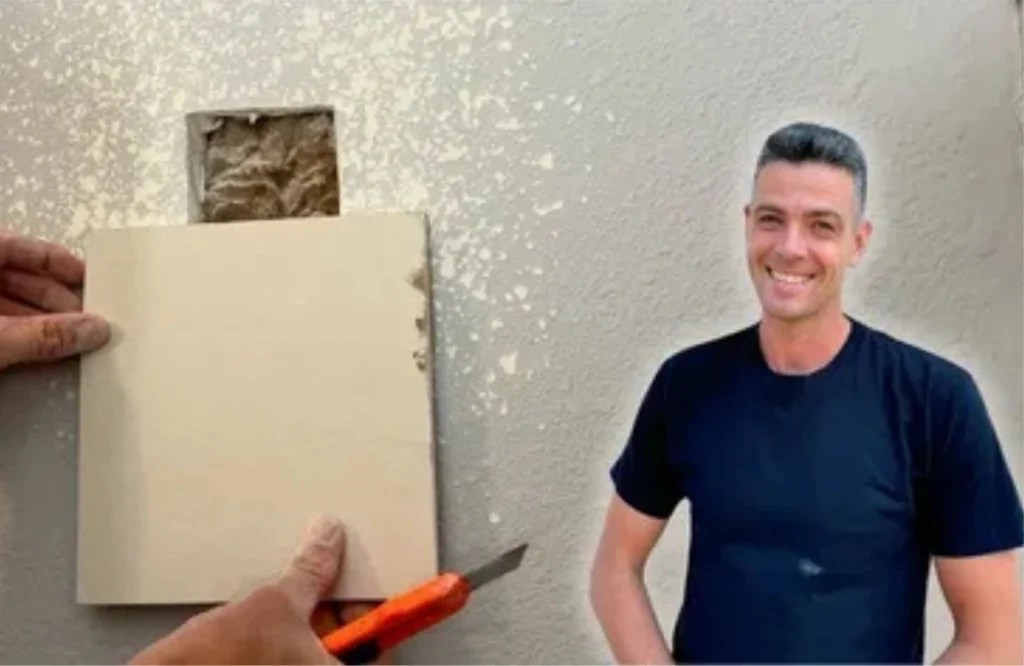
The Advantages of Repairing Damaged Walls Prior to Listing
Preventive maintenance reaps huge benefits:
Better prices: Buyers do not receive any deductions at all, and the price of the home is raised directly.
Fast Sales: No inspections are deemed negative; this leads to faster closings.
Better bargaining: You are able to make your own story and not leave it to the buyer’s inspector.
Peace of mind: After-sales lawsuits can be easily avoided.
Curb appeal of the building: Clean walls ensure rooms shine in photographs.
Conclusion
In summary, having damaged drywalls prior to a home transaction can significantly reduce the expected deal amount. The home resale value, however, can be increased effectively if you perform necessary repairs in a timely manner. Expert repairers like Patch Pros of North Dallas are locals’ trusted partners for getting timely drywall repairs.
FAQs
Are there any impacts of minor drywall damage on home resale value?
Yes, even little cracks are signs of neglect. Fixes are usually deducted by buyers at $500 and above, which reduces your net.
Should I do drywall repair before selling home?
Absolutely. Putting up a home with broken walls results in low bids or deal loss. Fix it to protect value.
What is the price of drywall repair prior to the sale of a home?
$150-$500 for patches; $1,500+ for the whole room. It does get recovered at higher rates of sale.
What does a damaged walls home inspection consist of?
The inspectors look at cracks, moisture, and mold. Anticipate moisture gauges and biometric scans.