A moving crew is carrying a sofa through an apartment hallway when its corner catches the wall. A delivery cart leaves a dark streak near the elevator, and a door handle creates another dent. These small marks may seem harmless, but busy corridors can collect damage quickly when people, furniture, and equipment pass through them every day.
Preventing wear takes more than repainting. Protective accessories, better traffic flow, and routine checks can reduce repeated repairs.
Why Hallways Keep Getting Damaged
Hallways are narrow transition spaces, so walls often become the closest surface to moving objects. Furniture, luggage, carts, strollers, cleaning equipment, and doors can scrape or strike drywall. Damage is especially common near corners, door openings, elevators, and turns where people have less room to maneuver.
Paint may show scuffs first, but repeated contact can break the paper facing, crush gypsum, or loosen corner bead. Exposed surfaces then need patching, sanding, priming, and repainting.
Identify the Areas That Need Protection
Before adding wall protection, look for patterns instead of treating every mark as an isolated problem. A hallway walkthrough can reveal where damage keeps returning and what is causing it.
| Hallway Location | Common Damage | Useful Prevention |
| Outside corners | Chipped edges, crushed drywall | Corner guards |
| Narrow turns | Scrapes from furniture | Wall panels or durable finishes |
| Near doors | Handle dents, repeated knocks | Door stops and wall bumpers |
| Cart routes | Long scuffs and impact marks | Protective panels or rails |
| Lower wall areas | Shoe marks, luggage and equipment hits | Chair rails or wall protection |
This assessment helps property owners place protection where it will address the type and height of repeated contact.
Choose Wall Protection for Busy Areas
Different hallway surfaces face different kinds of wear. A corner that gets clipped by furniture needs a different solution from a long wall that collects cart scuffs.
Drywall Corner Protection
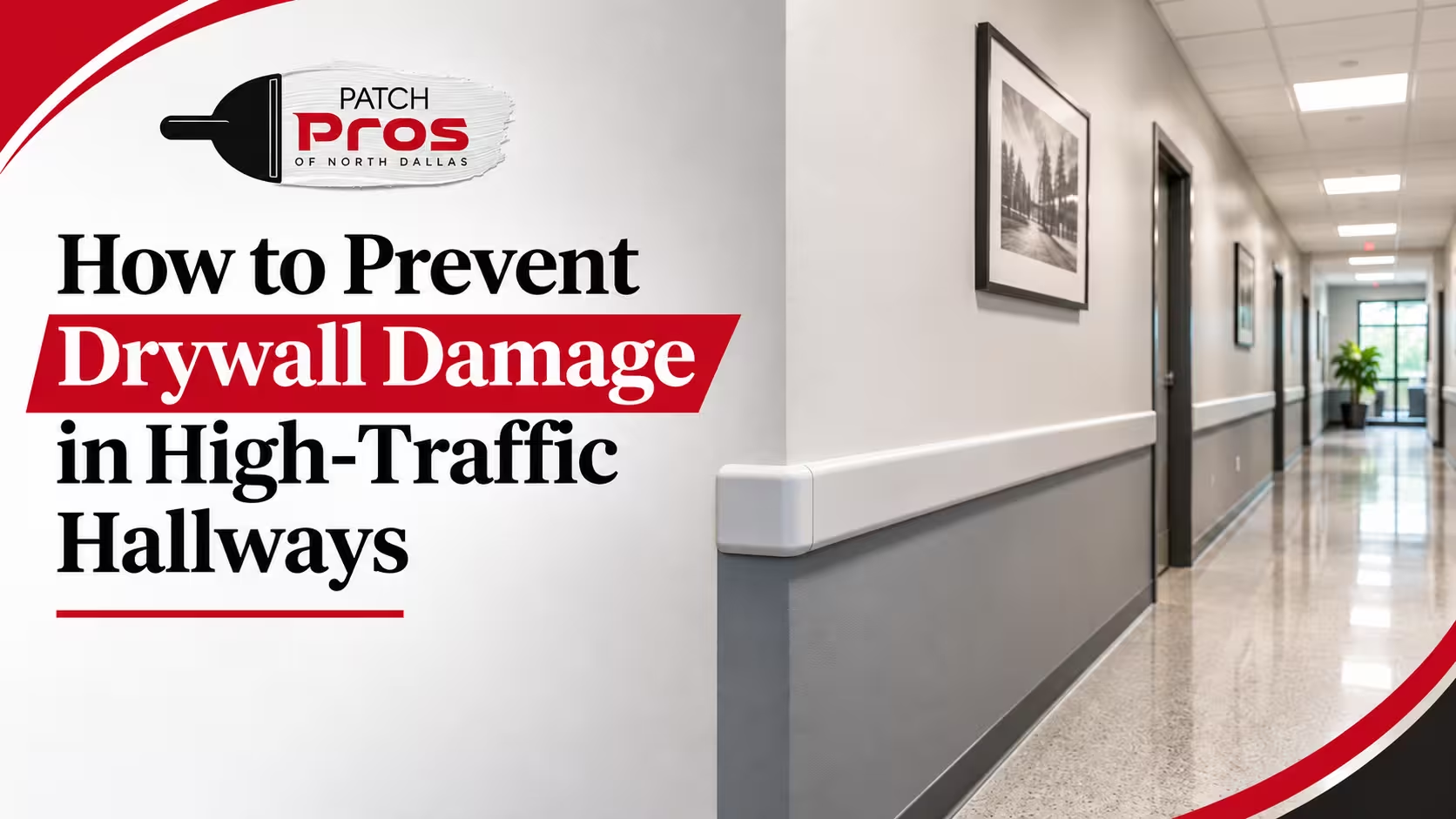
Outside corners are among the most vulnerable points in a corridor. Wall Corner Guards help absorb contact and shield exposed edges from chips, cracks, and dents. They are useful near stairwells, elevator lobbies, apartment turns, and commercial corridors where furniture or carts frequently pass.
Choose guards for the traffic level and wall finish. Secure installation matters, and guards should not obstruct narrow walkways.
Wall Protection Panels and Chair Rails
Wall protection panels can cover sections that repeatedly receive scrapes or impacts. They are especially practical along cart routes, service corridors, and areas where equipment is moved regularly. Panels may also make routine cleaning easier, depending on the material and finish.
Chair rails or wall bumpers can provide a defined protective strip where contact tends to occur at a consistent height. These options work best when their placement matches the actual damage pattern rather than being installed simply for decoration.
Impact-Resistant Drywall
Impact-resistant drywall may be appropriate during renovations or when a hallway is being rebuilt, and ordinary gypsum board has repeatedly failed. Tougher board can help withstand everyday knocks, but it is not indestructible. Material selection should consider the expected impact, installation details, finishing requirements, and overall project cost.
For many existing hallways, adding targeted protection is more practical than replacing every wall. A combination of stronger materials in vulnerable areas and standard drywall elsewhere can provide a balanced approach.
Reduce Damage From Furniture and Equipment
Some hallway damage comes from poor clearance rather than the wall itself. Building managers can reduce repeated contact by making movement through the corridor easier.
- Keep hallways free of stored boxes, furniture, and cleaning supplies.
- Check that door swings and door closers do not cause handles to hit walls.
- Use suitable door stops or wall bumpers where handles could strike drywall.
- Plan furniture deliveries and moves before items enter narrow corridors.
- Use carts with protective edges and avoid dragging equipment along walls.
- Make sure lighting is adequate at turns, entrances, and elevator areas.
These habits reduce impact damage and help people move items with less risk.
Repair Existing Damage Before Installing Protection
Protective products are less effective when installed over damaged or unstable drywall. Loose paper, cracked joint compound, crushed gypsum, or a detached corner bead should be repaired first. Otherwise, new panels or guards may not sit securely, and the damage can continue underneath.
A basic repair assessment should include:
- Identify whether the damage is limited to paint or has broken the drywall surface.
- Remove loose material and repair dents or holes with suitable patching materials.
- Secure or replace damaged corner bead where needed.
- Allow repairs to dry fully before sanding, priming, and finishing.
- Confirm that the wall is sound before mounting protective accessories.
For recurring damage, Patch Pros of North Dallas can identify wall assembly issues, poor installation, or traffic patterns. Isolated dents may need patches; larger damaged areas may require replacement.
Make Inspections Part of Building Maintenance
Hallway protection works best when damage is noticed early. A monthly walkthrough or checks after major deliveries, tenant move-ins, or renovation work can catch scuffs and dents before they spread.
| Check | What to Look For |
| Corners and edges | Chips, cracking, loose guards |
| Protective panels | Loose fasteners, gaps, peeling edges |
| Painted surfaces | Scuffs, stains, bubbling, exposed paper |
| Doors and hardware | Handle impact, missing stops, loose closers |
| Corridor routes | Clutter or obstacles forcing contact with walls |
Record recurring locations. Repeated damage at one corner may justify a guard or a change in equipment routes. Commercial corridor maintenance works best when it addresses the cause, not just the visible mark.
Frequently Asked Questions
What is the best way to prevent drywall damage in a busy hallway?
Start by identifying the locations and types of repeated contact. Corner guards, wall panels, bumpers, and durable finishes can protect vulnerable areas, while clearer routes and careful equipment handling reduce everyday impact.
Are corner guards worth installing?
They can be, especially on exposed corners that are regularly hit by furniture, carts, or luggage. The guard should match the traffic level and be installed securely without creating an obstruction.
Can impact-resistant drywall stop all dents and scratches?
No. Impact-resistant materials can improve durability, but they can still be damaged by forceful or repeated contact. Targeted protection and good hallway practices remain important.
Should damaged drywall be repaired before adding wall panels?
Yes. Loose or broken drywall can prevent protective panels from fastening properly. Repairing and stabilizing the surface first helps the new protection sit securely.
How often should hallway walls be inspected?
A monthly check is a useful routine for many properties, with additional inspections after moving activity, deliveries, or construction. High-traffic corridors may need more frequent attention.
Final Thoughts: Protect the Walls Before Damage Adds Up
High-traffic drywall protection works best where contact happens repeatedly. Corner guards, panels, bumpers, durable materials, and better routes reduce scuffs, while prompt repairs limit larger restoration work.
For property owners and managers dealing with recurring hallway damage, Patch Pros of North Dallas can help assess drywall issues and determine whether repairs or more durable protection make sense. A thoughtful prevention plan helps busy corridors remain cleaner, safer to navigate, and easier to maintain.