Damage to drywall can begin with a small issue, such as a leak, a nail hole, a door hitting the wall, or a drywall seam that has cracked. The tricky part is getting the repaired area to look as though it never had a problem, which is where drywall repair involves more than simply filling the damaged spot. Even if the room is otherwise in good condition, a noticeable patch or irregular texture, or a regular crack can make the room appear unfinished.
Drywall must also be able to cope with the climate of Dallas, which is hot, humid, and has to deal with frequent thunderstorms, especially in spring and fall. Proper wall restoration is important when you have moisture or other damage in your interior wall.
Start With the Type of Damage, Not Just the Size
Each drywall repair requires a particular solution. An opening that’s too large, a cracked ceiling, or a damaged section of ceiling can be repaired, but a small opening can be patched. A professional assessment takes into account what caused the damage, how much it spread, and whether the drywall around the damaged area is intact. It helps avoid a patch covering up a problem that could recur.
Common issues include:
- Nail, anchor, and impact holes
- Cracked seams and settlement cracks
- Water-damaged ceilings and walls
- Damaged drywall tape
- Large holes or missing sections
- Uneven patches from earlier repairs
- Damaged corners
- Wall surfaces with mismatched textures
That is why professional drywall repair in Dallas, TX, has to be concerned with the condition of the existing wall and not use the same repair technique on every wall.
A Flawless Finish Matters as Much as the Repair
Filling the hole is only the first step in a drywall repair. The repaired area has to be leveled, blended, and prepared for the final surface treatment.
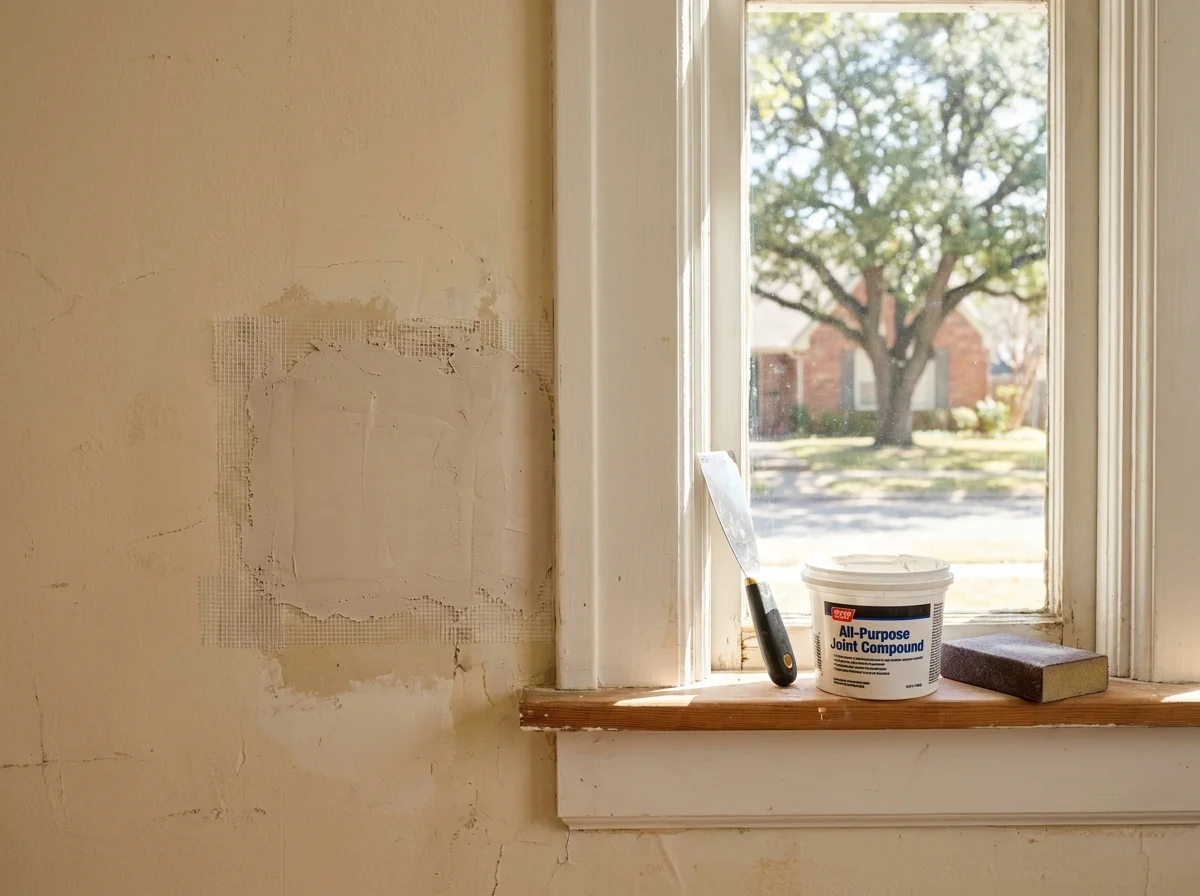
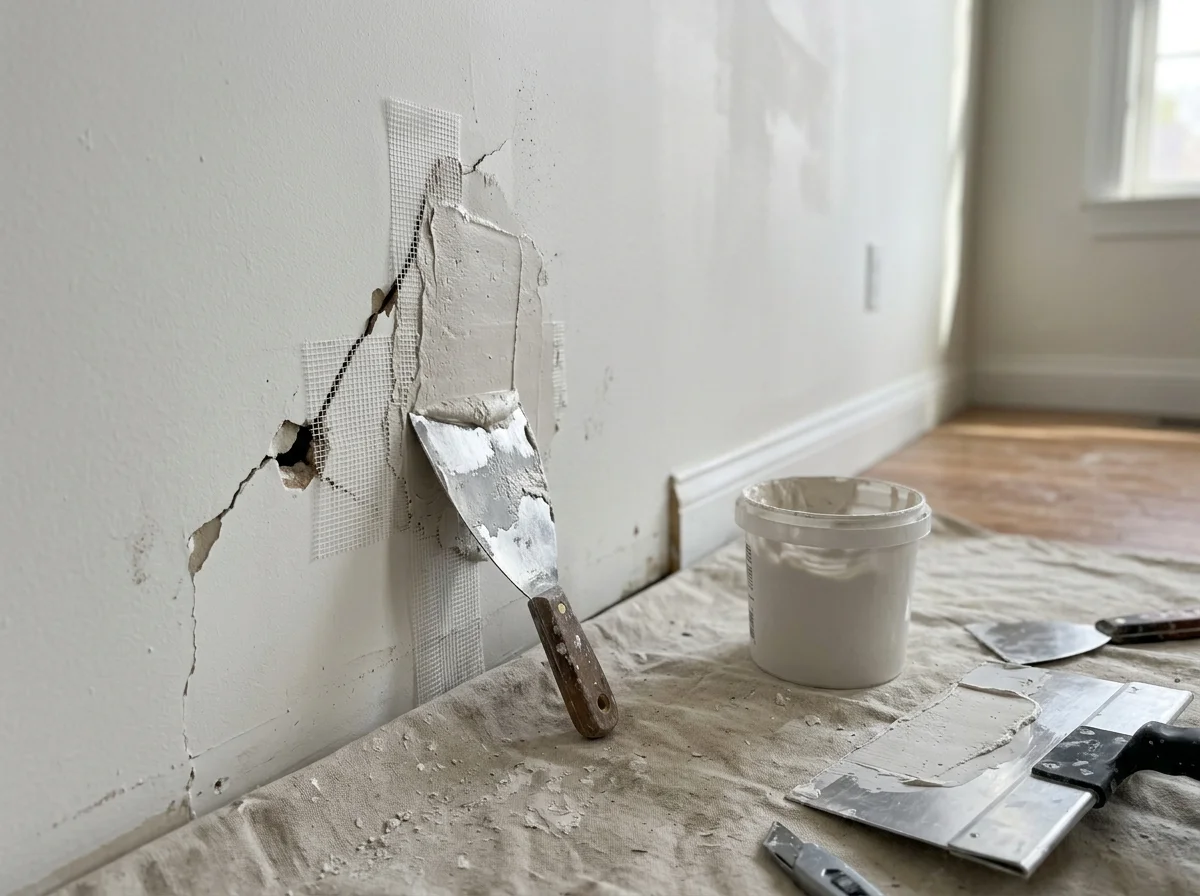
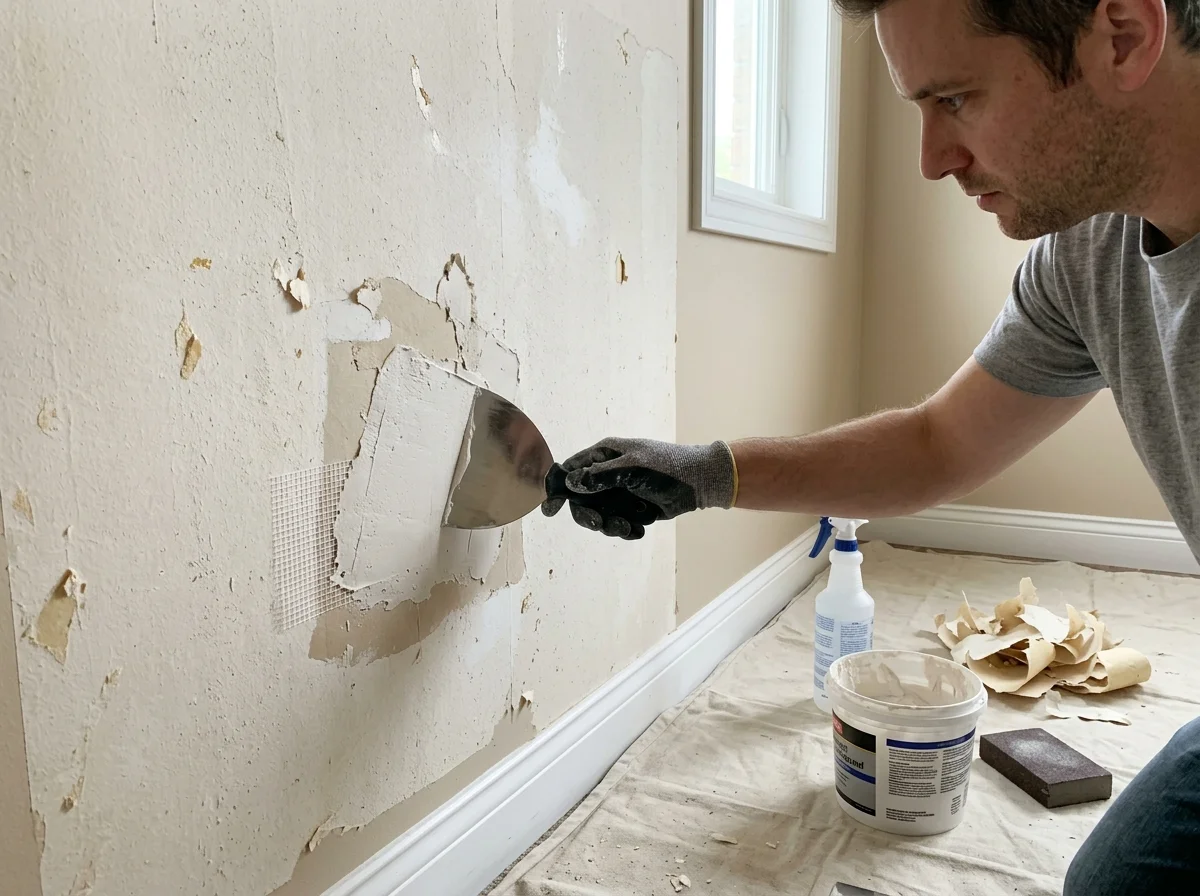
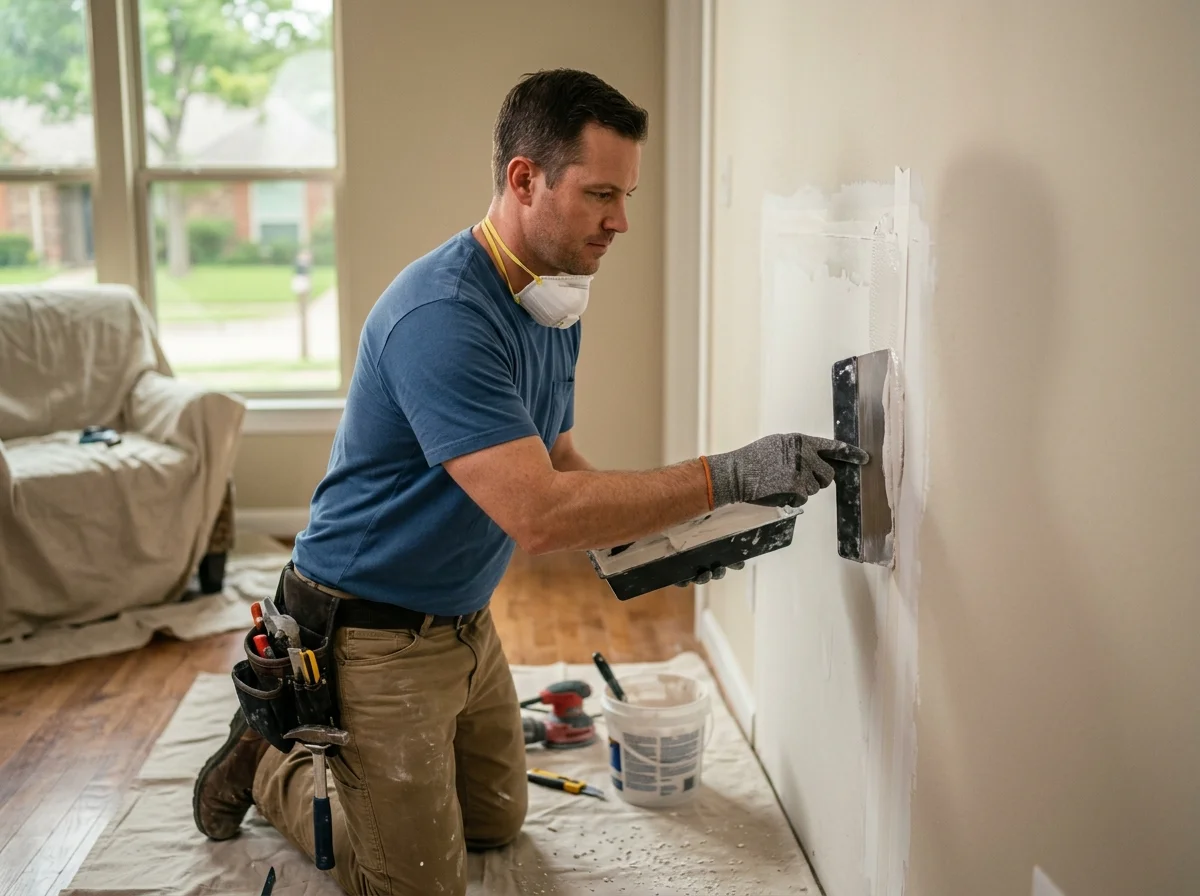
For instance, a professional can trim away damaged sections, replace them with a section of identical drywall, secure the repair, cover it with joint compound and tape, give the area some time to dry, and then sand it between coats. Rushing through the work can result in ridges, depressions, or edges being visible; hence the slow pace.
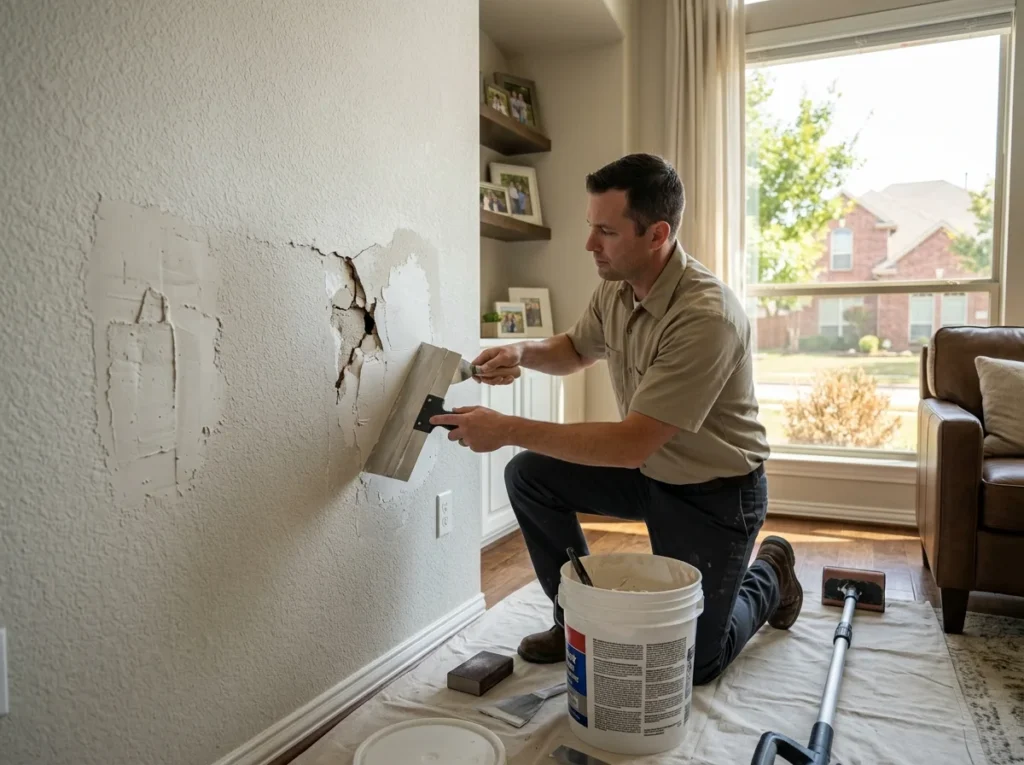
Texture creates another challenge. Dallas homes can have smooth walls or textured finishes such as knockdown or orange peel. Drywall texture matching requires attention to the existing pattern so the repaired section does not stand out after painting.
One of the reasons why homeowners choose to hire professional drywall services in Dallas over doing it themselves is because of this finishing stage.
Some Repairs Need More Than Cosmetic Work
Some damage types need special attention as the apparent issue may not be the problem.
| Wall problem | Typical professional approach |
| Small hole | Patch, compound, sanding, and surface preparation |
| Large hole | Remove damaged section, install drywall, tape, and finish |
| Cracked seam | Repair damaged joint and rebuild the surface |
| Ceiling damage | Assess affected area and restore damaged drywall |
| Water damage | Address moisture source before restoring affected material |
| Failed old patch | Remove weak material and create a proper surface |
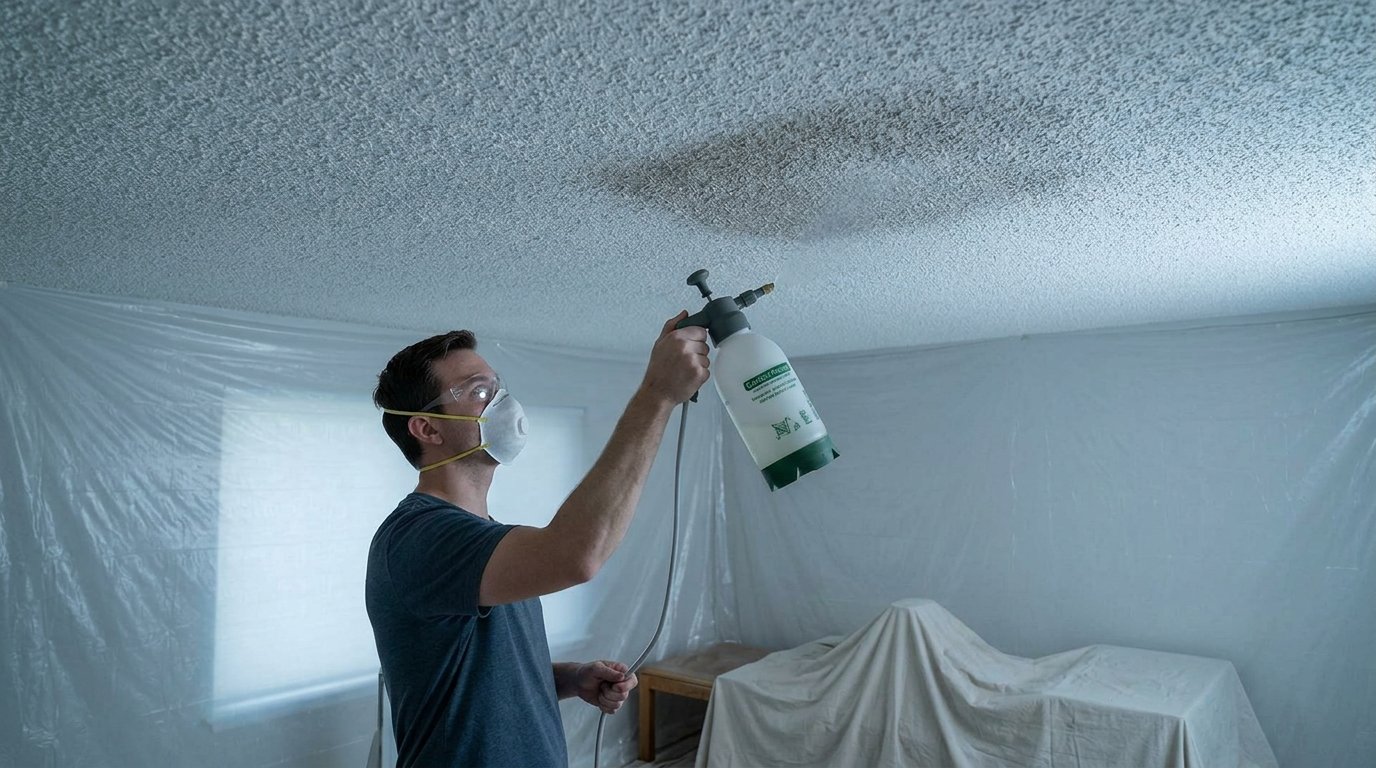
Water damage is one of the significant factors. If there’s still moisture in the home and the source hasn’t been located, then another repair in the near future can be possible when new drywall is installed. A professional can help determine whether the affected section needs water-damaged drywall repair or a more extensive replacement.
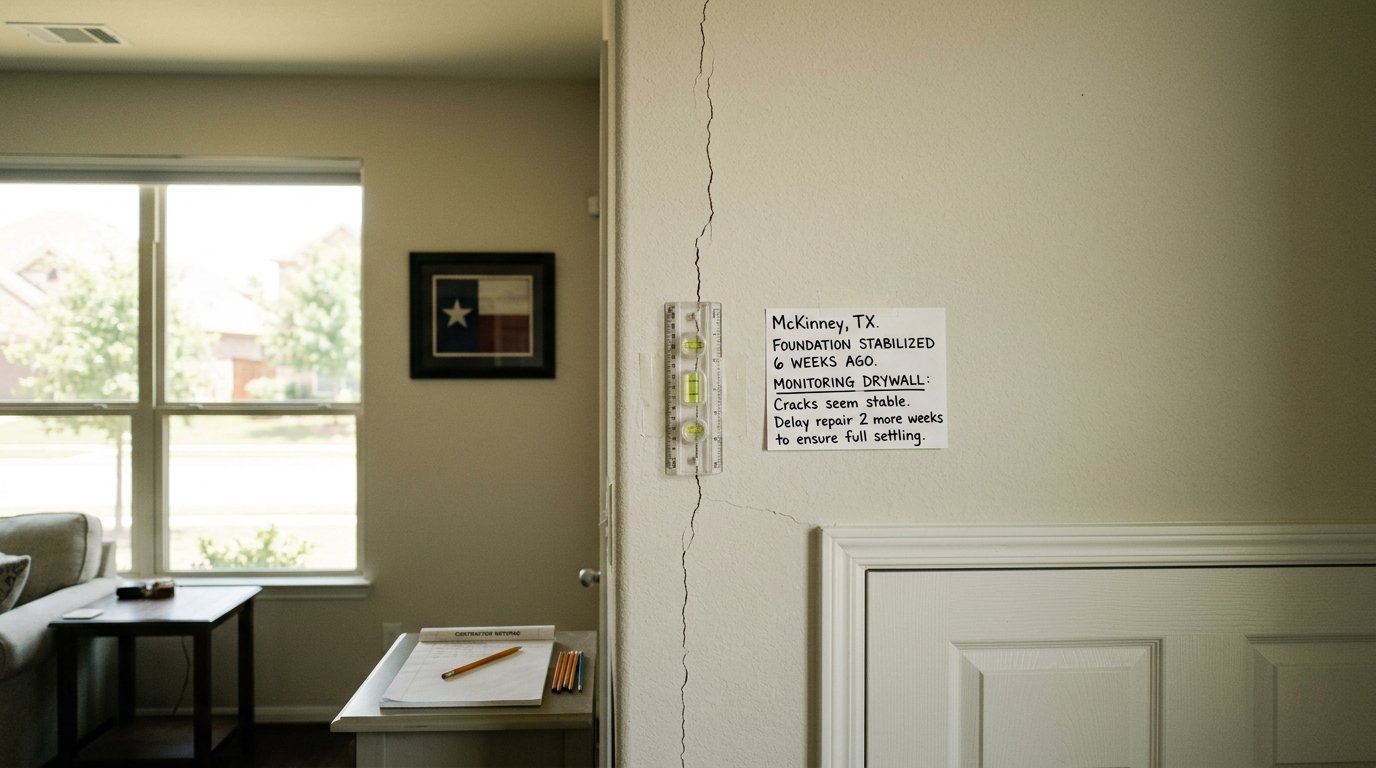
Homeowners in Dallas should also notice cracks that keep opening up, growing larger, or showing up with other changes in their walls. However, not all cracks mean there is a serious problem with the structure, and if the movement happens again, it shouldn’t be patched with more compound.
Why Professional Skills Show in the Final Result
There are a few small decisions that go into good drywall repair that can easily be overlooked.
Material selection: The material used for the replacement piece should be compatible with the surrounding wall and surface material.
Surface preparation: Loose paper, broken compound, and weak edges must be corrected prior to application of new material.
Feathering: The joint compound needs to blend in with the wall, not form a raised patch.
Sanding: The surface should be sanded enough to get a nice, smooth finish, but not so much as to cause damage to the surrounding drywall.
Texture: The finished texture should be complementary to the existing wall, rather than to create a distinct repair site.
These are particularly significant if the wall or ceiling is a prominent room, hallway, or visible wall or ceiling in a high-traffic natural area.
When DIY Stops Being the Practical Choice
In some instances, such as a small hole, DIY drywall patching may be a good option for the homeowner who is comfortable working with their own hands. More complex repairs can be frustrating if the repair doesn’t match the surrounding wall.
Consider professional help when you have:
- A large hole or missing section
- Ceiling drywall damage
- Water-related damage
- Recurring cracks
- Extensive drywall tape failure
- Difficult texture matching
- Several damaged areas throughout the home
- A previous repair that remains visible
Professional residential drywall repair in Dallas, TX, can also be helpful before you repaint, remodel, sell, or do other inside improvements. Initially, wall defects are fixed, providing the final finishes with a better surface on which to work.
What a Professional Repair Should Accomplish
A good repair will do more than just fix the damaged area; it will do so without ruining the look of the finished wall. The first step in the process is the evaluation of the area to decide on patching or replacement.
Once the damaged area is ready, the repair can be applied and finished with drywall tape and joint compound as necessary. After drying the material dries, the correct surface level is achieved through sanding and further finishing.
The final stage may include drywall texture matching, priming, and preparation for paint. Drying time depends on the materials, repair size, and surrounding conditions, so the entire process should not be rushed simply to finish faster.
The idea is to make a repair that does not stand out in any way, but blends in with the rest of the wall.
A Better Approach to Long-Term Wall Restoration
Professional repair is also about avoiding unnecessary replacement. Not all damaged walls have to be taken down and rebuilt. Targeted drywall patching services can help to repair the damaged area and save the existing wall if the surrounding drywall is structurally sound.
At the same time, patching is not always appropriate. If the damage is extensive, repeated, or very poor, it may be necessary to have drywall replacement services. If a wall has sustained damage, an expert technician can assess the type of damage and select a repair method depending on the condition of the wall.
For Dallas homeowners, Patch Pros of North Dallas provides a professional option when wall damage requires careful patching, finishing, texture matching, or broader interior restoration.
Frequently Asked Questions
Why do Dallas homeowners hire professional drywall repair?
People in Dallas often bring in experts for things like big holes, ceiling damage, water issues, cracks that keep coming back, or when they need to match tricky textures. Experienced techs know how to pick the right repair method, and they pay attention to both how the wall looks and how they finish the job.
Is professional drywall repair better than DIY?
That depends on what you’re dealing with. Sure, you can fix a small hole yourself if you have the basic tools. But for bigger openings, ceilings, water damage, stubborn cracks, or when you need to match textures, it really takes more experience. Hiring professional repair helps you avoid a patchy or obvious finish.
Can professionals match existing wall texture?
Yes. Skilled technicians know how to check your wall’s texture and use the right technique to get a close match. Still, how well it blends in depends on the original texture, the condition of the surface around it, the paint, and how good the repair is.
When should I call a drywall contractor?
Call a contractor when the damage is pretty severe, keeps coming back, involves water, affects the ceiling, or calls for texture matching. If you’re not sure whether you can patch up a damaged area or if it needs partial replacement, getting a professional assessment is beneficial.
Final Thoughts: Choosing Professional Drywall Repair in Dallas
Quality drywall repair isn’t just about filling in holes. It’s about knowing what caused the damage, prepping the wall, picking the right way to fix it, and making the finish blend in with the rest of the surface.
For homeowners who want durable wall repairs without an obvious patch left behind, Patch Pros of North Dallas can be part of the process from damage assessment through final surface restoration.