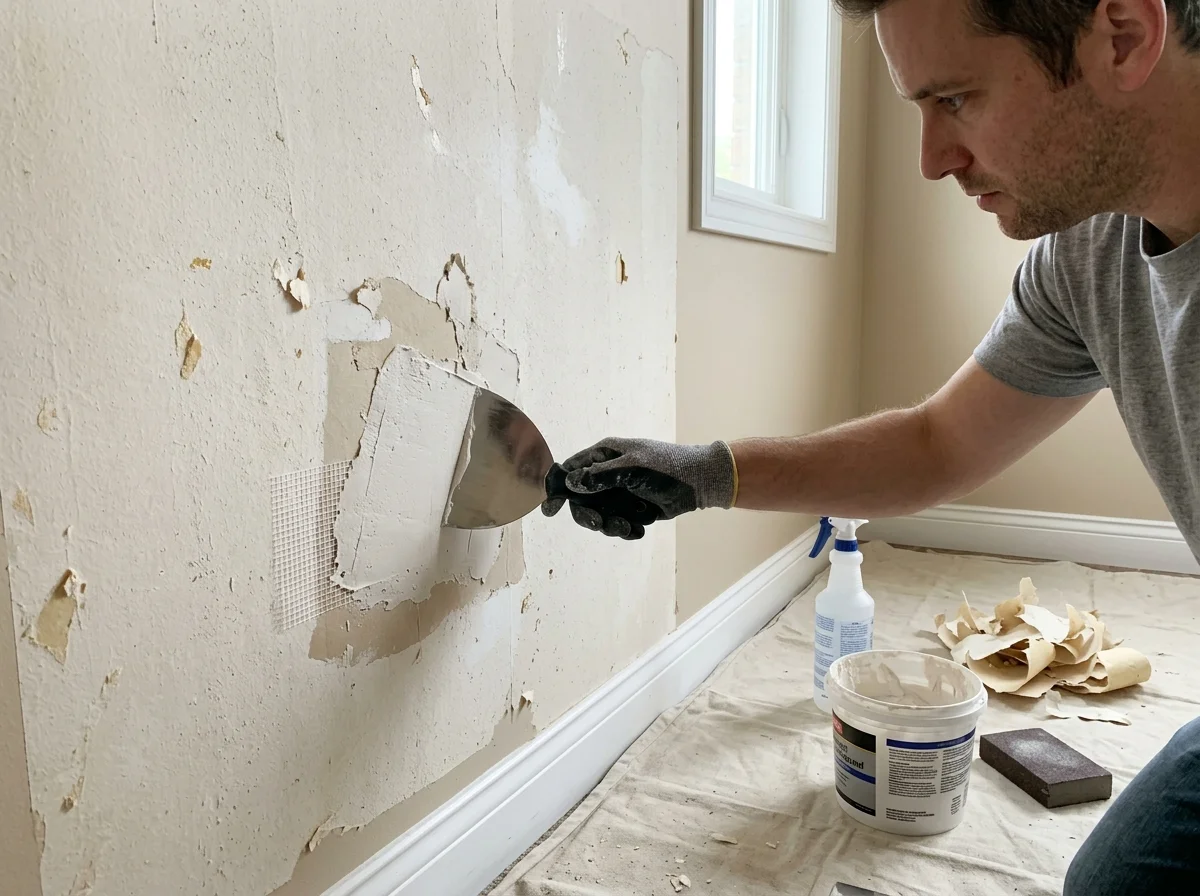

You walk into your living room after a heavy Texas rain and spot a yellow stain spreading across the ceiling. Water drips slowly onto your floor. Your heart sinks because you know drywall water damage just hit your home. Many families in McKinney face this exact moment after a pipe burst or roof leak.
That wet spot feels small at first, but it spreads fast. Ignoring it leads to bigger headaches like sagging ceilings or hidden mold. Water damage drywall repair done right saves your walls and keeps your family safe. You do not have to tackle it alone.
Spotting the Signs of Drywall Water Damage Early
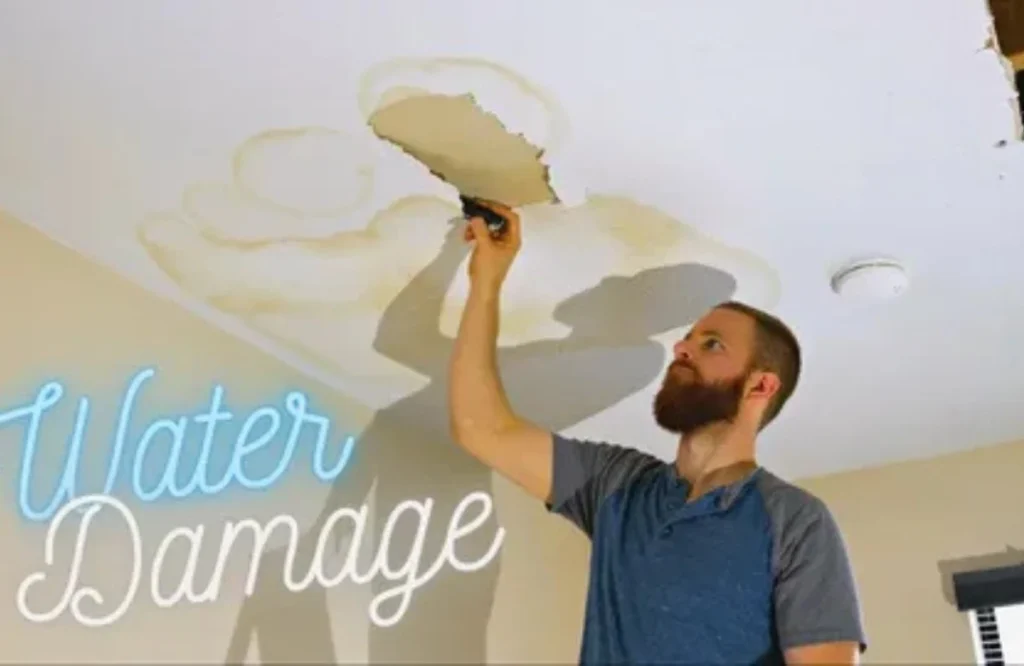
Water hits drywall, and the gypsum core turns soft fast. You notice soft spots when you press the wall or ceiling. Brown rings appear around the edges. These clues signal ceiling water damage repair is needed.
Peeling paint or bubbling texture often shows up next. A musty smell lingers in the room even after you open the windows. These signs mean water has soaked deeper than the surface.
Catch them quickly, and you stop the problem from reaching studs or insulation. Homeowners who wait usually face larger repairs later.
What to Do the Moment You Notice the Leak
Turn off the water at the main valve right away. This stops the flow and limits the mess. Grab towels and buckets to catch any drips still falling.
Move furniture and rugs away from the wet area. Water spreads across floors and ruins carpets fast. Quick action protects the rest of your home.
Call a plumber if you cannot find the leak source yourself. Professionals use special tools for leak detection that save time and guesswork.
The Professional Water Damage Drywall Repair Process
Experts follow clear steps to fix the damage completely. They start with safety and end with a wall that looks brand new. Each phase builds on the last, so nothing gets missed.
You watch the team work and feel confident they handle every detail. Their experience turns a stressful mess into a smooth project.
Leak Detection and Water Extraction
Pros begin with leak detection to find every hidden source. They use moisture meters and cameras to trace water behind walls. Once located, they remove standing water with powerful wet vacuums.
Water extraction removes gallons in minutes instead of days. This step keeps the damage from spreading to nearby rooms. Fast removal protects your framing and prevents rot.
Moisture Assessment and Structural Drying
Next comes moisture assessment with special meters. Technicians check every layer to see how deep the water traveled. They set up fans and dehumidifiers for structural drying.
Dehumidification pulls moisture from the air and materials around the clock. In North Texas humidity, this step matters most. Proper drying stops future problems before they start.
Handling Drywall Mold Repair When Needed
Mold loves damp drywall. If black spots appear, experts switch to drywall mold repair mode. They cut out all affected material and treat the area with safe solutions.
Mold remediation includes air scrubbing to clear spores from your home. You breathe easier knowing the space stays healthy for your family. Skipping this step risks health issues later.
Removing Damaged Sections and Installing New Drywall
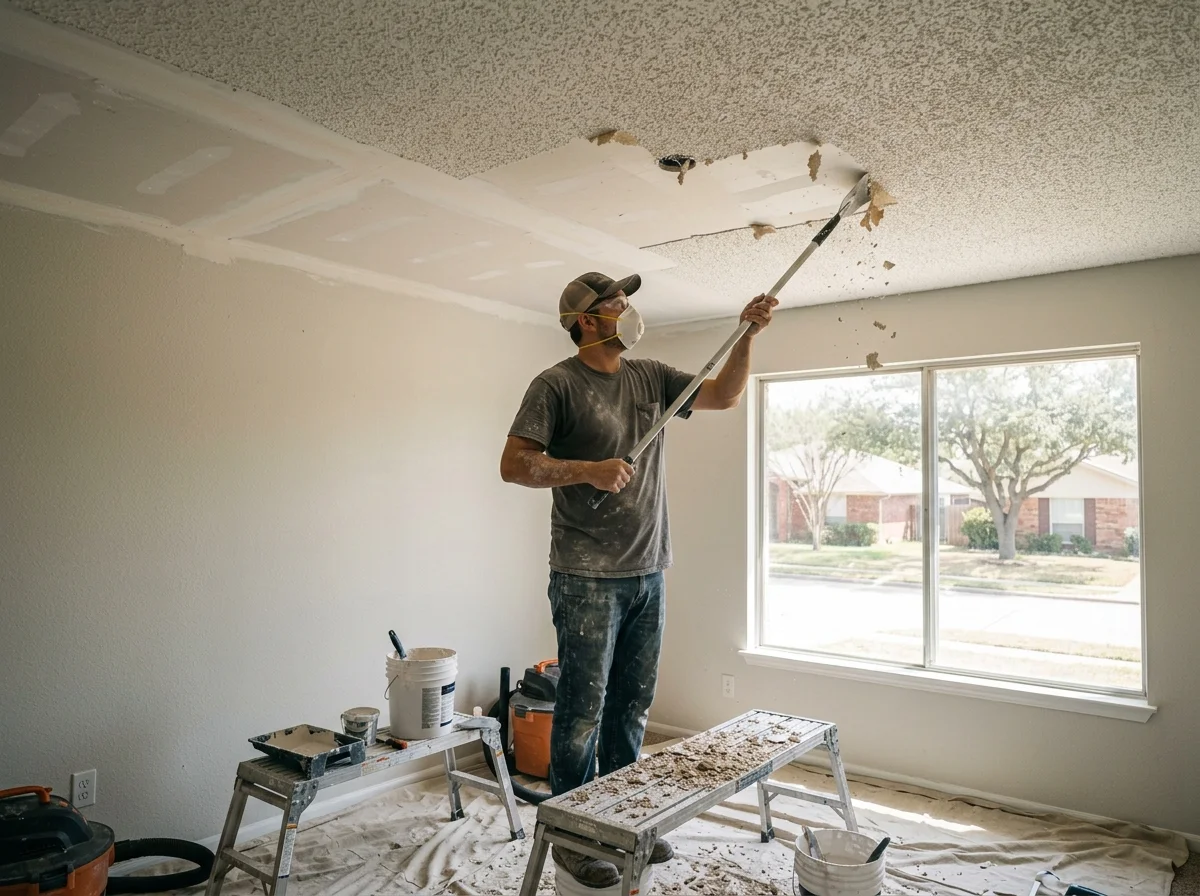
Crews cut out every piece of wet drywall with clean lines. They remove damaged sections down to solid edges. Then the new sheets go up and get secured tightly.
Drywall replacement uses the right thickness to match your original walls. This keeps the room looking even and strong. Proper installation makes the patch disappear.
Finishing and Sanding for a Flawless Look
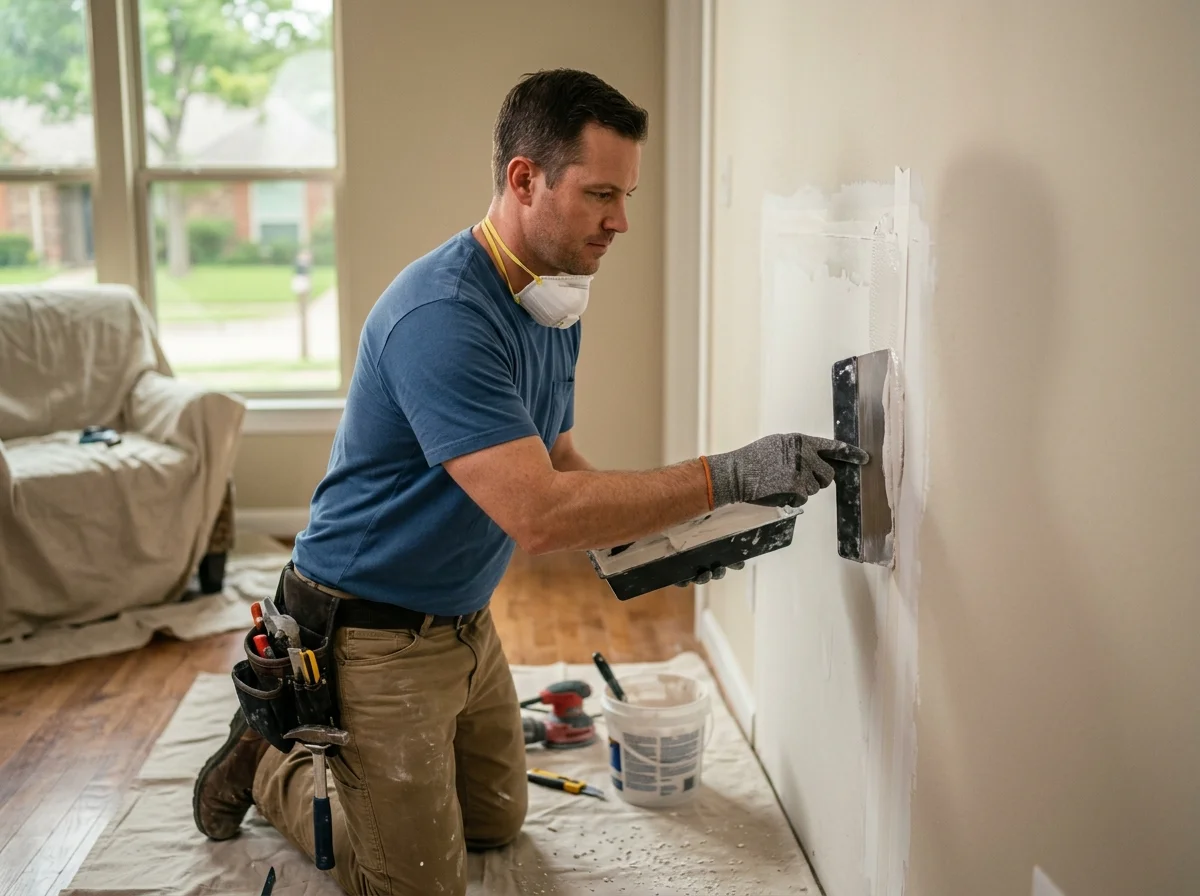
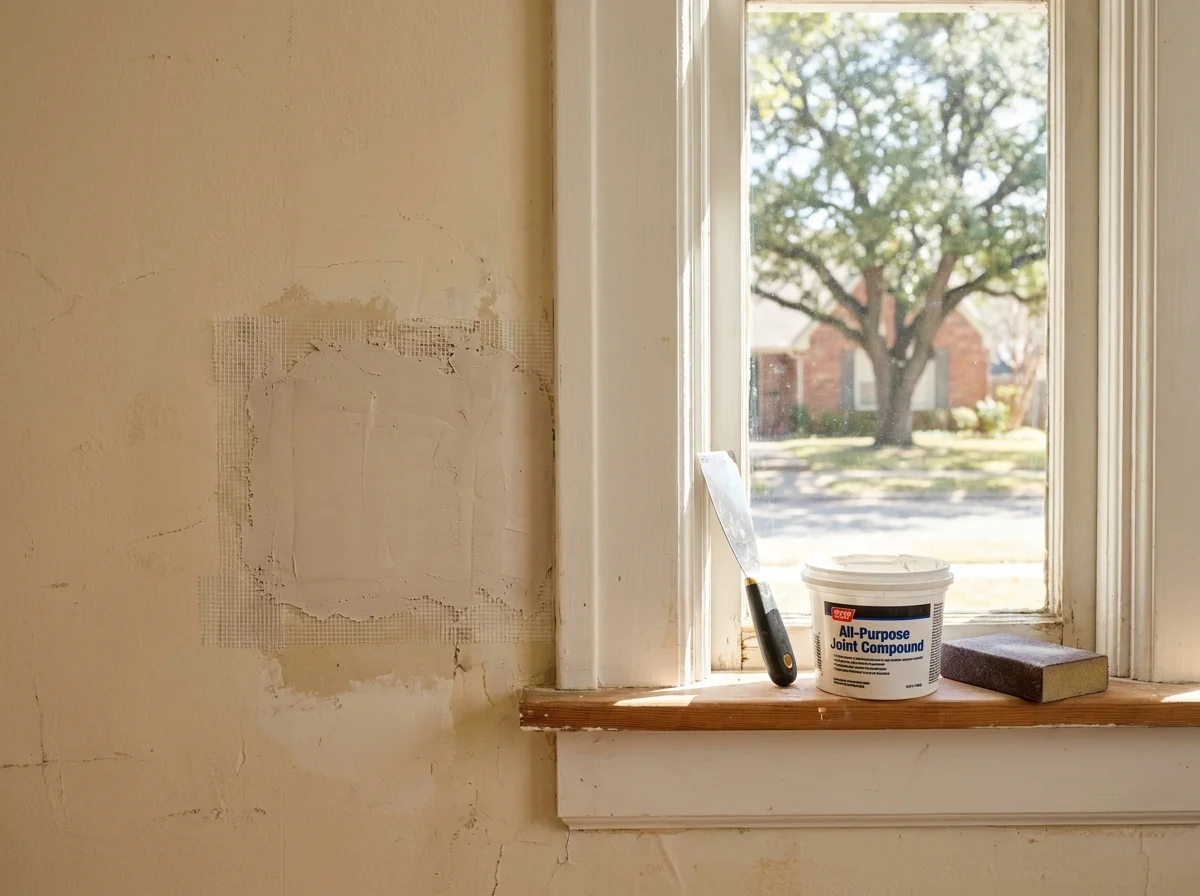
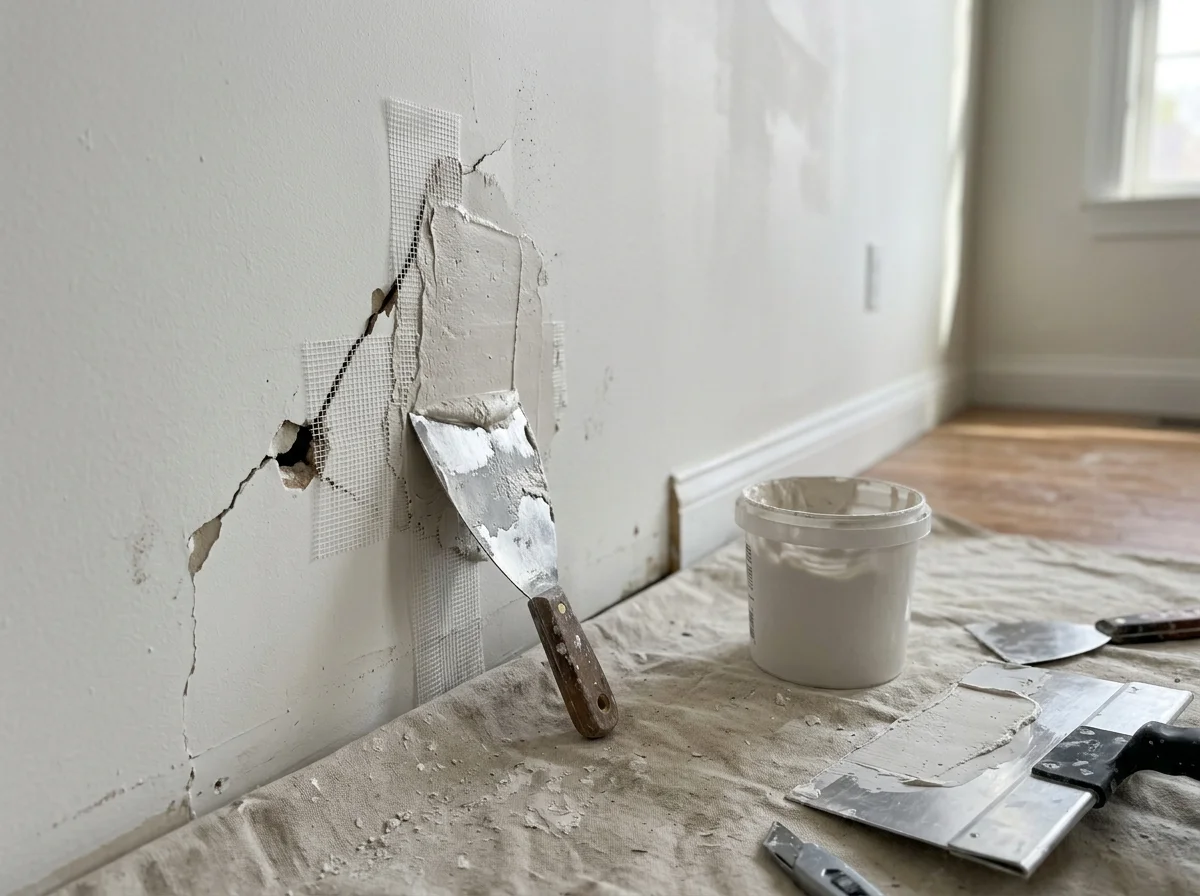
Tape and joint compound cover seams and screw holes next. Multiple coats build a smooth surface ready for paint. Stain-blocking primer seals any leftover discoloration.
Finishing and sanding create walls that blend perfectly with the rest of the room. You run your hand across the surface and feel no bumps. The repair looks like it was always there.
How Much Does Water Damage Drywall Repair Cost in North Dallas
Costs vary based on damage size and extra steps needed. A small ceiling patch runs lower than a full wall replacement. You receive a clear repair estimate before work begins.
Most homeowners pay between five hundred and two thousand dollars for typical jobs. Larger areas of mold increase the total. Local labor and material prices in McKinney stay steady year-round.
Factors That Drive the Final Price
Room height affects time and equipment needs. High ceilings require scaffolding and extra hours. Water-damaged wall repair in tight spaces also takes longer.
Mold remediation adds special disposal and treatment costs. Structural drying equipment rental also appears in the final bill. Insurance may cover part of the work depending on your policy.
Why Patch Pros of North Dallas Delivers Reliable Results
Local teams know North Dallas weather patterns and common leak spots. They arrive fast and explain every step in plain terms. Their focus stays on long-lasting repairs.
Years of residential and commercial drywall services have built efficient workflows that save money without cutting corners. You get clean work areas and respectful crews every time.
Conclusion
Your walls deserve expert care after water damage drywall repair. Patch Pros of North Dallas offers full drywall installation and repair services across McKinney and nearby areas.
Call today for your free repair estimate. Let the team handle your ceiling water damage repair so you can enjoy your space again. Visit Patch Pros of North Dallas to schedule now.
FAQs
How long does wet drywall repair usually take?
Small patches finish in one or two days. Bigger jobs with drying and mold work take three or four days. Your home stays livable during most of the process.
Can I fix drywall leak repair myself?
Basic patches work for tiny spots but often miss hidden moisture. Professionals ensure all damage is addressed so mold does not return.
What if drywall mold repair becomes necessary?
Experts remove all affected material and treat the area safely. Air testing confirms the space is clean before completion.
Does homeowners insurance cover water-damaged wall repair?
Many policies cover sudden leaks but not long-term neglect. Documentation helps support smoother claims.
How do I prevent future drywall water damage?
Inspect roofs and pipes regularly. Fix small leaks early. Maintain good ventilation in bathrooms and kitchens to reduce moisture buildup.