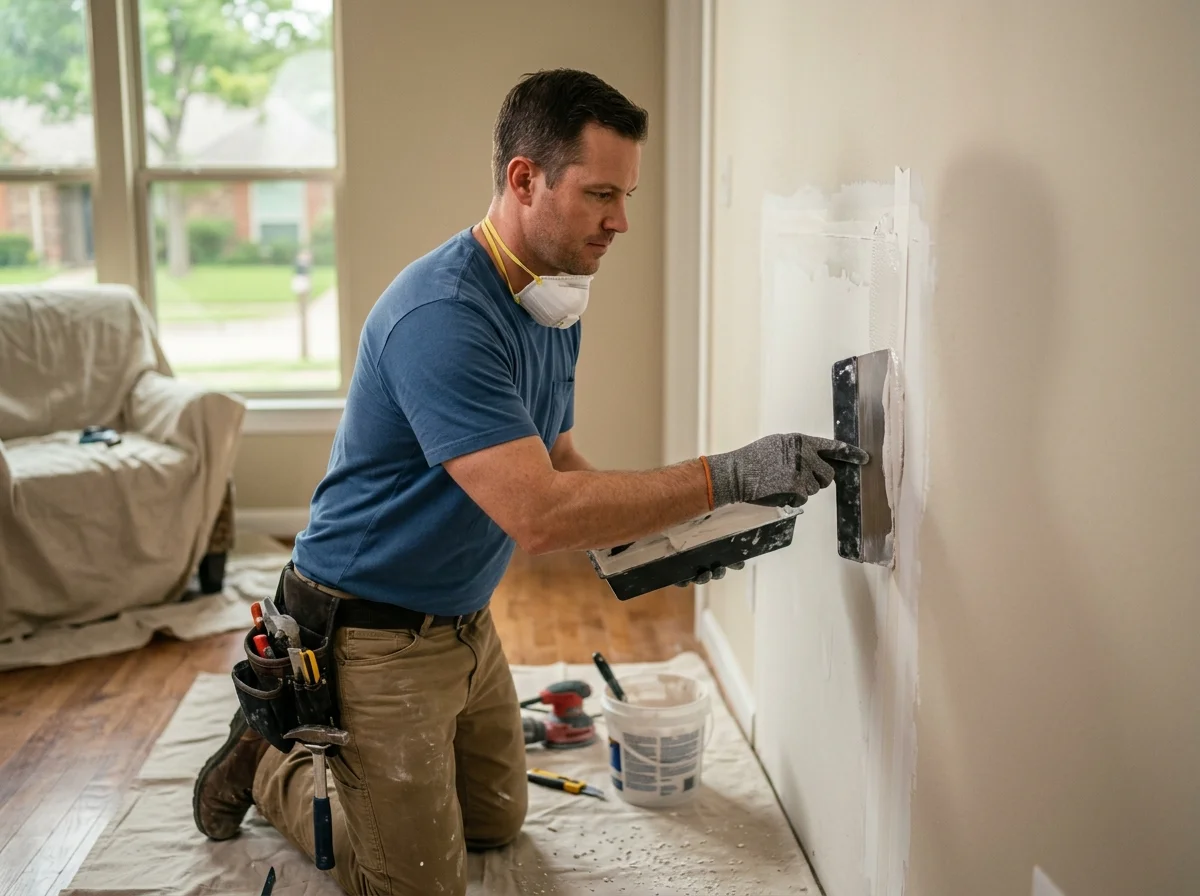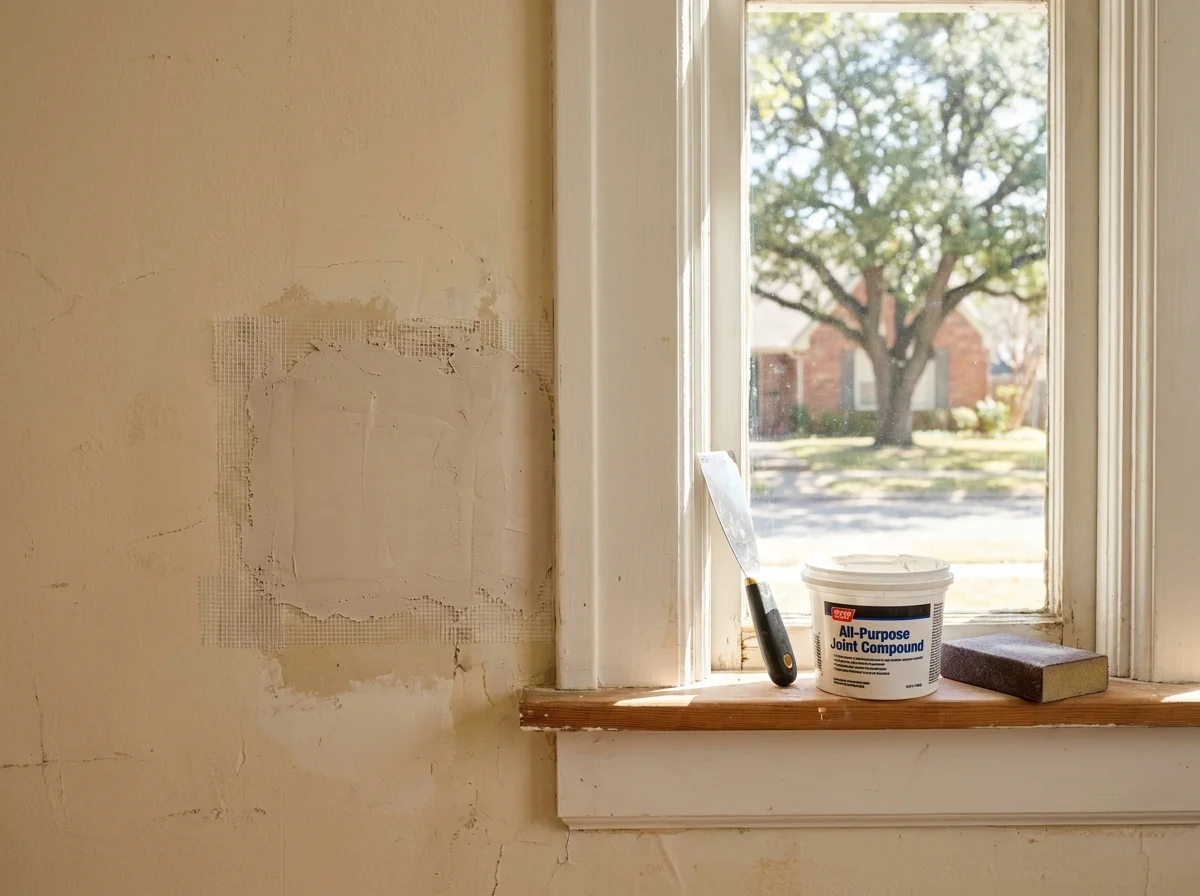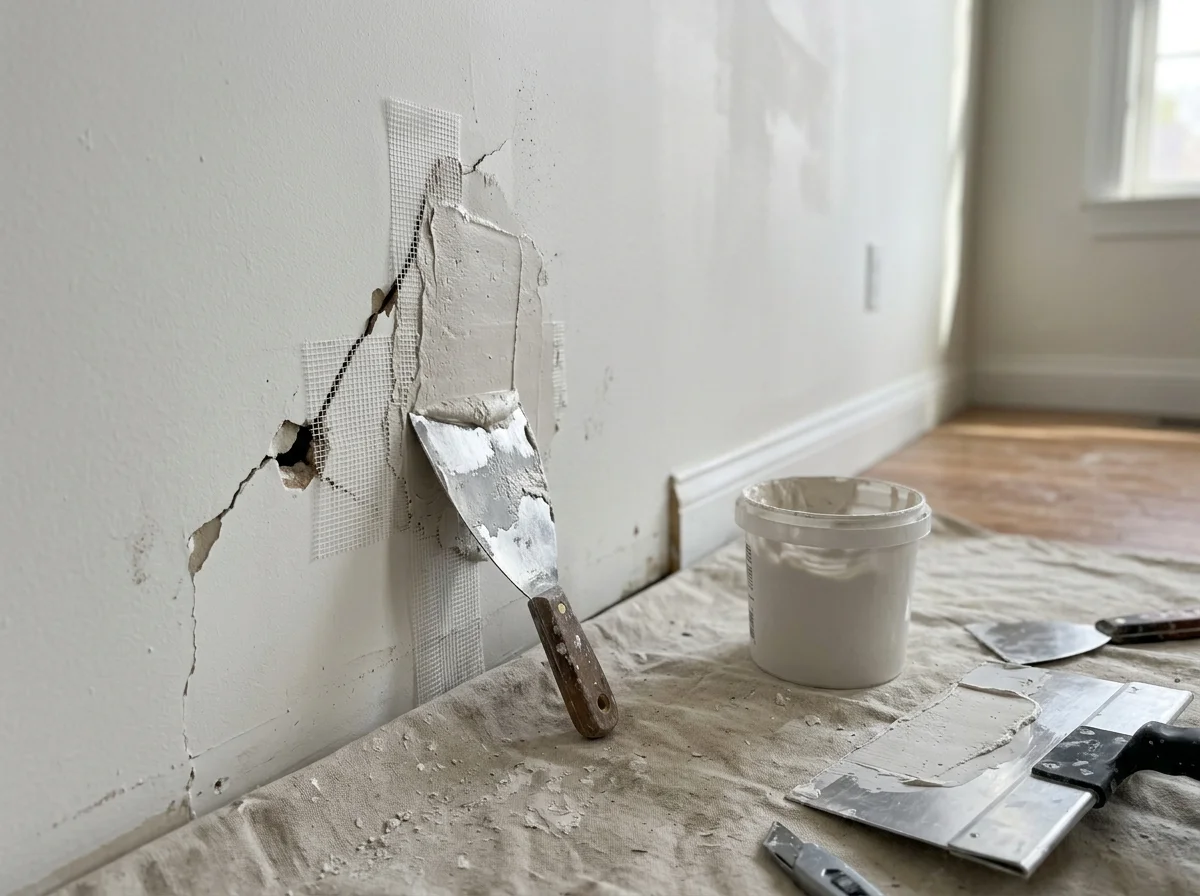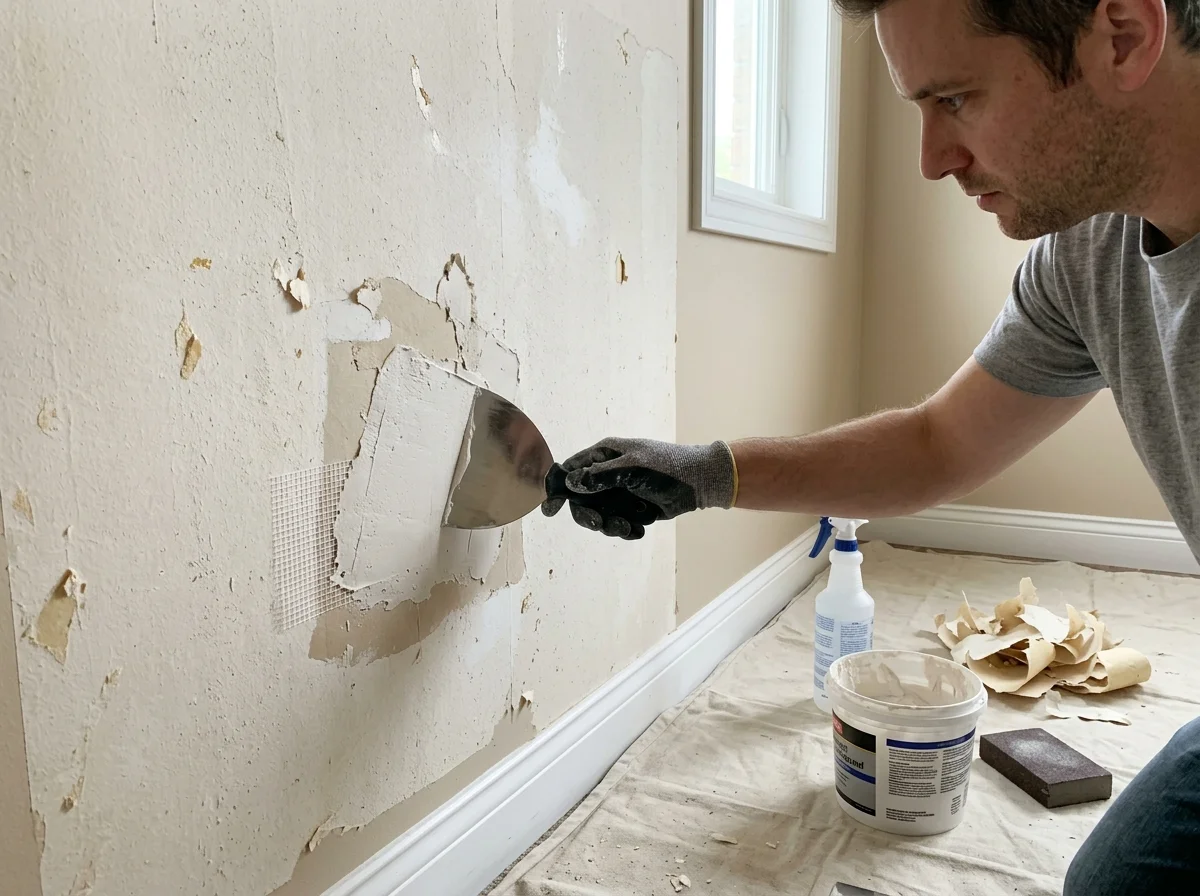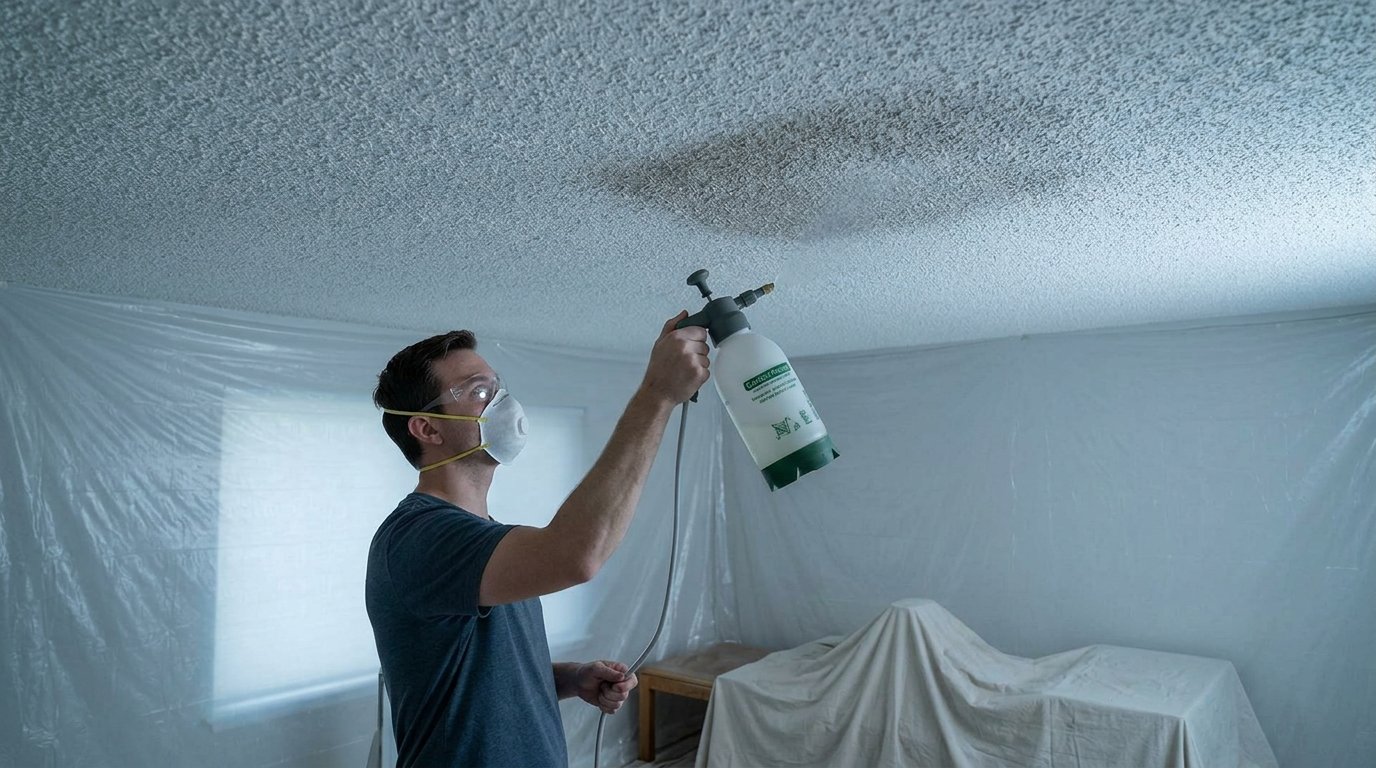
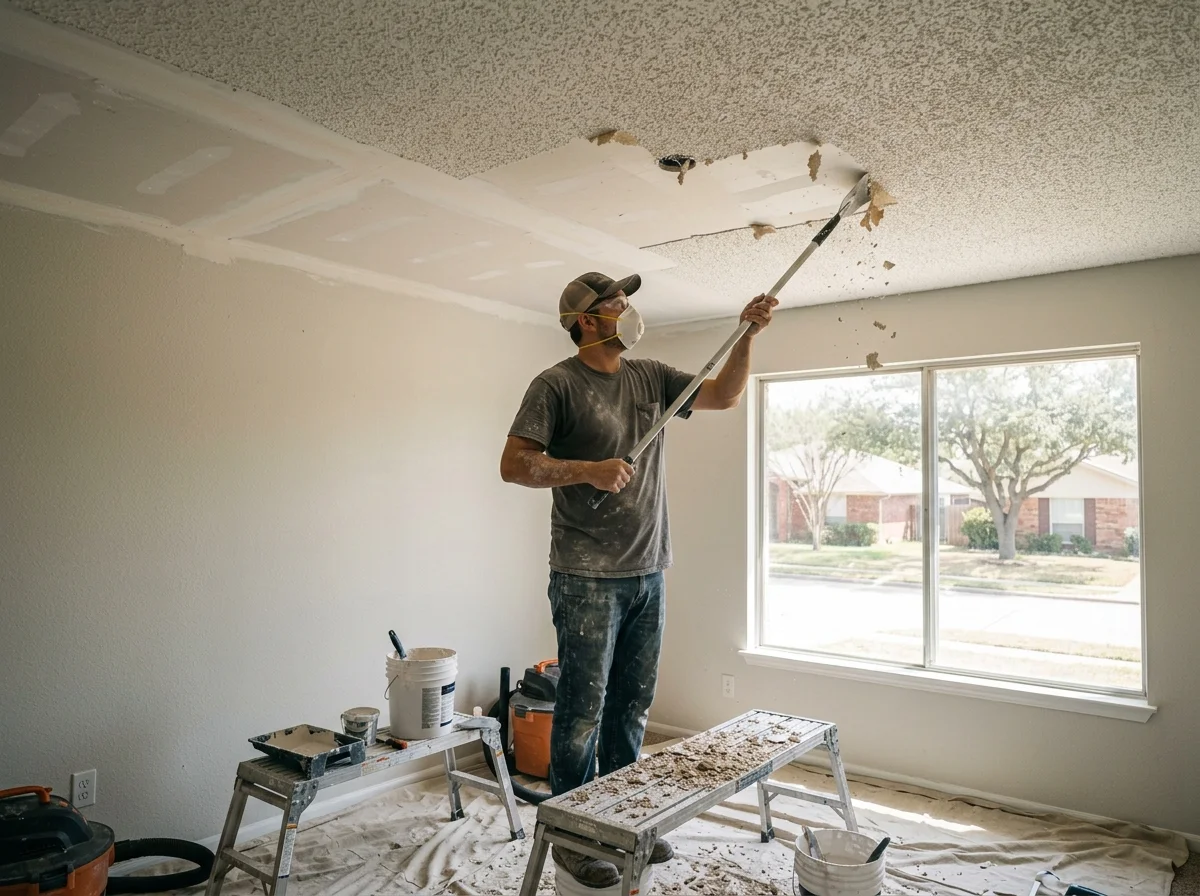
Popcorn ceilings were once common in Dallas homes, but many homeowners now prefer smooth, modern ceiling surfaces. That textured finish can enhance the look of a room, but the job doesn’t always end there! There could be damage to the drywall below the paper, with cracks, uneven surfaces, or old patching that needs to be repaired.
When planning a renovation, Dallas homeowners will want to know the condition of the existing ceiling. Several layers of paint, roof or plumbing leaks can lead to hidden damage on older properties. A professional evaluation helps determine what the ceiling actually needs before finishing begins.
What You May Find Beneath an Old Popcorn Ceiling
When the acoustic ceiling texture is removed, the surface below it will show any previously hidden issues. There may be some ceilings in good condition that need only light preparation. But some ceilings might require extensive drywall repair prior to painting.
Common discoveries include:
- Damaged drywall paper
- Nail or screw holes
- Cracked joints
- Uneven drywall seams
- Old patches
- Ceiling cracks
- Water stains
- Peeling areas
- Small holes around light fixtures
- Areas affected by previous moisture
This is why popcorn ceiling removal in Dallas, TX, is not simply a texture-removal project. If the drywall is in good condition, then all that is required is a simple sanding job. If the drywall is not in good condition, then it needs to be prepared before installing the ceiling.
The Removal Stage Is Only Part of the Renovation
The end goal is typically a clean, smooth surface, but there are multiple steps to achieving this result. The existing ceiling must be evaluated, the area must be shielded, and the texture must be stripped away in the area in a manner appropriate to the ceiling surface.
After the texture is eliminated, the bare drywall can be evaluated. The areas that are loose or damaged must be addressed in order to apply finishing products.
The amount of drywall repair after popcorn ceiling removal will vary based on what’s underneath. If the ceiling has some surface irregularities, it might need only patching. If the ceiling has extensive damage, skim coating or replacing damaged portions of the drywall might be necessary.
The goal is not to remove more material than necessary. Its purpose is to repair the ceiling without removing any sound areas of the original ceiling.
Why Dallas Homes Can Have Different Ceiling Repair Needs
Two houses in Dallas can be totally different, with different ages and construction styles, meaning that the ceilings will differ. The drywall can be damaged by years of use or by previous remodeling, roof repairs, plumbing leaks, settling, etc.
Local weather also creates an important consideration. The Dallas-Fort Worth area recorded an average maximum temperature of 102.1°F in August 2026, compared with a 1991–2020 normal of 95.8°F. The same month reached 109°F on August 23 and 24.
However, even those numbers do not necessarily equate to heat causing damage to drywall, but Dallas homeowners should pay attention to moisture and ventilation problems when they see stains, peeling, or recurring cracks on ceiling drywall. If there is moisture in the ceiling, a ceiling repair must focus on the source of the moisture, not just the visible mark.
When Popcorn Removal Can Turn Into Drywall Restoration
Some ceilings need more work than others. The situation is more complex if the texture has to be removed, causing damaged or unstable material to be exposed. When the damage involves recurring cracks, water exposure, or multiple damaged sections, professional drywall repair may be more appropriate than isolated patching.
Light Surface Repair
There may be minor imperfections that require drywall compound, sanding, and preparation in the local area. This is an effective solution when the drywall itself is still in good condition.
Skim Coating
If there is a generally irregular surface on the ceiling, it might be a good idea to get ceiling skim coating services. Keeping a thin layer of joint compound will help to have a more even surface prior to sanding and painting.
Partial Drywall Replacement
When sections are severely damaged by water or deterioration or by past work, patching may not produce a satisfactory result. A replacement can provide a firmer base for the finishing. The decision of which of these methods to use will depend on the damage and not just the size of the room.
Do Not Ignore Older Ceiling Materials
Another consideration with older homes is before disturbing the existing textured ceiling. Just by examining the texture, it is not possible to make a reliable determination if asbestos is present in some older popcorn-style materials.
Asbestos requirements may be required for renovation projects that disturb asbestos-containing material, and Texas DSHS offers specific guidance on notification and survey for applicable projects.
Homeowners should not scrape, sand, or otherwise disturb a material just to determine what lies beneath it if they suspect the material is not in good condition. Prior to the removal of the home or ceiling material, appropriate testing and professional guidance should be provided, should there be any concern.
Older Dallas houses may also be impacted by lead-safe practices. Texas DSHS notes that EPA renovation rules apply to compensated renovation work that disturbs painted surfaces in pre-1978 housing when the applicable thresholds are exceeded.
Creating a Smooth Ceiling Instead of a Visible Patchwork
A successful smooth ceiling conversion Dallas project requires more than filling obvious holes. The entire surface needs to transition consistently from repaired areas into the existing drywall.
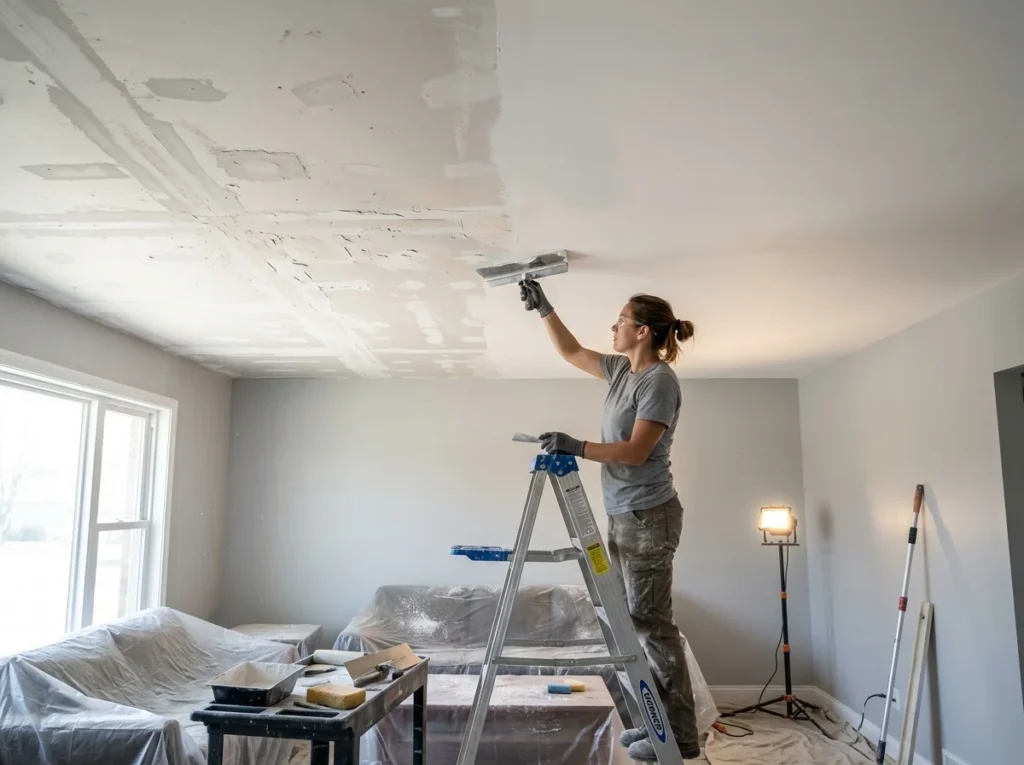
Professionals may use a combination of:
- Drywall patching
- Joint compound
- Drywall tape
- Skim coating
- Careful sanding
- Primer preparation
- Ceiling paint
The finish must be scanned for ridges from various angles, as ridges can be more easily observed under natural or artificial light after repair.
This is where drywall finishing Dallas TX becomes important. A ceiling can be structurally sound while still looking uneven if the finishing stage is rushed.
What About Cracks and Water Damage?
Previously hidden cracks may be more visible when you remove the popcorn. Small surface cracks can be caused by normal movement or may be due to past repair work, but if the crack comes back repeatedly, it should be looked at carefully.
Also, water stains need to be addressed prior to cosmetic restoration. Even if the roof leak, plumbing leak, or other source of moisture has been fixed, drywall and paint can become damaged once more if the leak is still present.
Thus, the first step in a repair for ceiling restoration in Dallas, TX, should be to assess the condition of the ceiling.
Dallas Project Planning and Permits
The City of Dallas states that residential permits cover construction, renovation, and major repairs and provides specific information for remodel construction. The city also currently uses the 2021 International Code Council codes with Dallas amendments for its adopted construction codes.
For ceiling renovations, whether you need a permit depends on what you’re actually doing and where in your home. It’s smart to check the requirements for your project before you start anything.
For Dallas homeowners planning popcorn ceiling repair in Dallas, TX, working with Patch Pros of North Dallas can help turn an uneven or damaged ceiling into a properly prepared surface ready for its final finish.
Frequently Asked Questions
How do you repair drywall after popcorn ceiling removal?
First, you look for damage on the exposed drywall. If you see problems, you might need to patch, apply joint compound, tape, skim coat, sand, or even replace some drywall sections before you put on primer and paint.
Can popcorn ceiling removal damage drywall?
Yes. When you remove textured material, you can pull away the drywall paper or find weak spots, especially if the texture was heavily bonded, painted, or already repaired. Being careful with removal and prepping the surface helps prevent extra damage.
How much drywall repair is needed after removing popcorn texture?
There’s no set answer. Sometimes you just need a little patching; other times you’re dealing with bigger skim coating or even replacement. It depends on the drywall’s current shape, past repairs, any moisture damage or cracks, and how smoothly the old texture comes off.
Should drywall be repaired before painting?
Yes. Fix things like damaged paper, holes, cracks, or uneven spots and make sure everything’s finished properly before you paint. If you skip repairs, you’ll just make problems stand out more, and the final look won’t be great.
Final Thoughts: Planning a Smooth Ceiling Conversion in Dallas
Removing an old popcorn ceiling can dramatically change the appearance of a room, but the quality of the final result depends heavily on what happens after the texture is removed. Proper inspection, drywall repair, skim coating, sanding, and surface preparation all contribute to a smoother finished ceiling.
With the right approach, Dallas homeowners can address hidden ceiling problems while creating a cleaner, more modern surface that is ready for a professional paint finish. Patch Pros of North Dallas can help homeowners handle the drywall repair and ceiling restoration work needed after popcorn texture removal.