Small problems with drywall can easily go unnoticed. The small nail hole, dent, or short surface crack could be something that you don’t consider to be a reason to call a contractor. However, some damage points to moisture problems, movement, weakened panels, or repairs that require more than basic patching.
Understanding the distinction can assist Dallas homeowners to stop exacerbating the damage. If you see multiple issues in the same spot, or see cracking, soft drywall, a lot of holes, or damage to the ceiling, you should hire a professional drywall repair instead of trying another DIY solution.
7 Signs Your Drywall Needs Professional Attention
Not every damaged wall requires professional work. The size, location, cause, and condition of the drywall all matter when deciding whether you can handle a repair yourself.
Here are some situations where professional help makes more sense.
1. Cracks Keep Coming Back
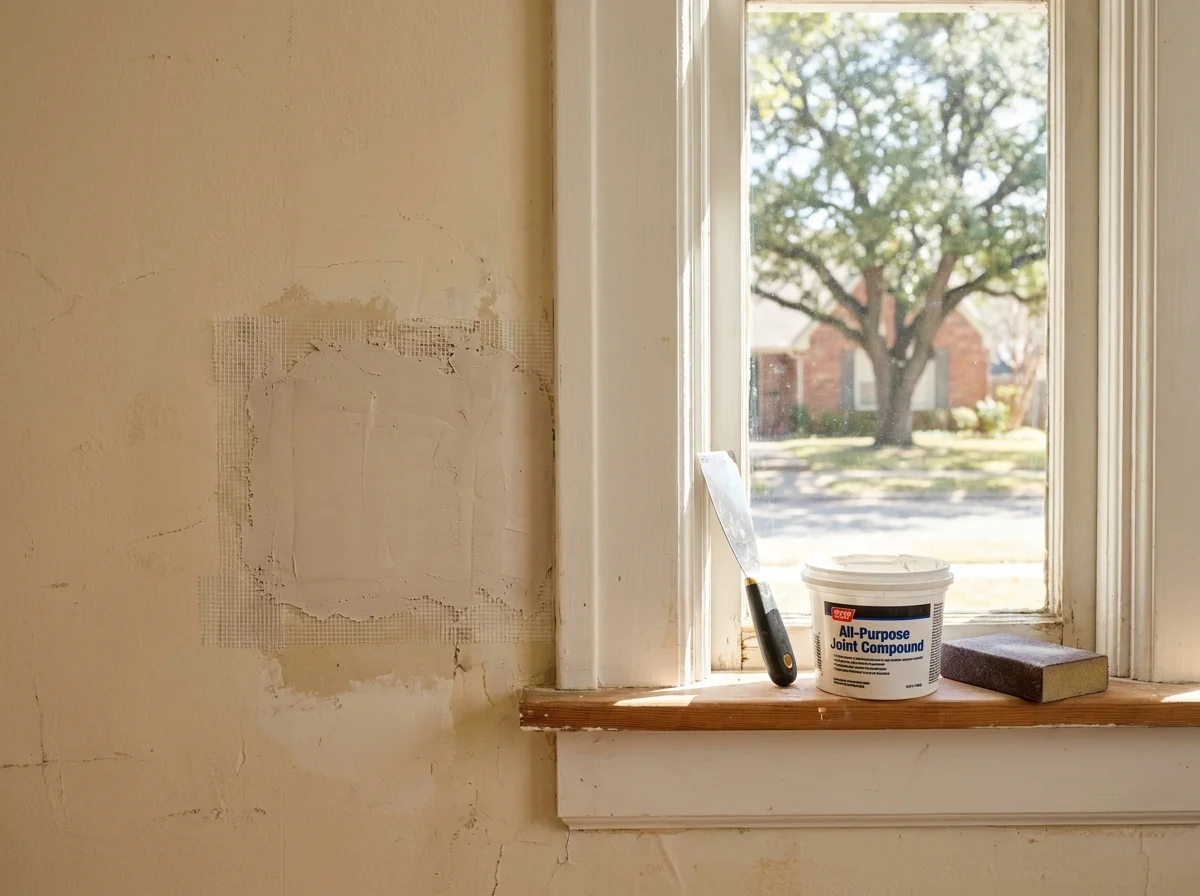
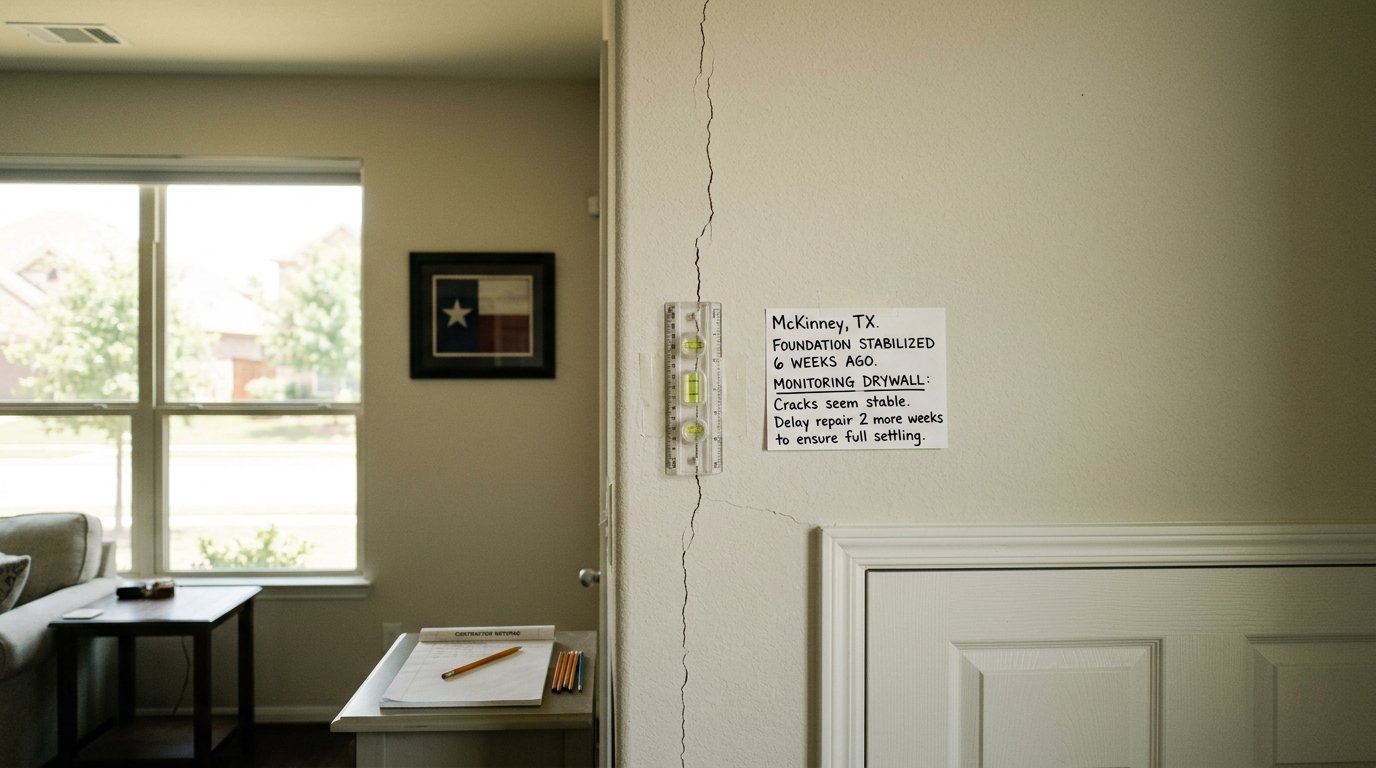
If there is one small crack that is visible, it could be a normal surface problem. However, cracks that repeatedly reopen after patching deserve closer attention. Cracks may be a sign of movement, shifting, incompletely finished seams, or other issues that may be beneath the surface, which may repeat. Drywall crack repair may require more than applying another layer of joint compound.
A professional can inspect the damaged area and determine whether the problem is limited to the drywall or connected to a larger issue.
2. The Hole Is Too Large for a Simple Patch
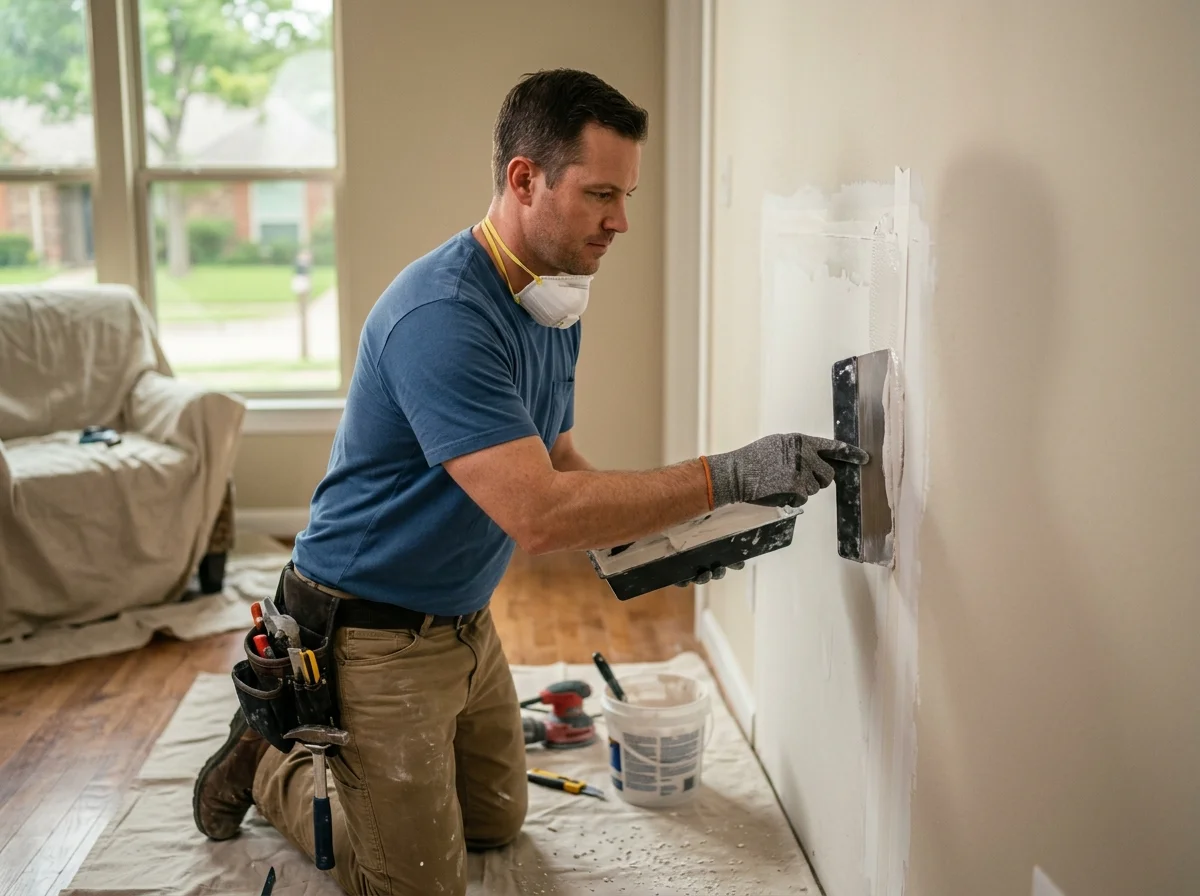
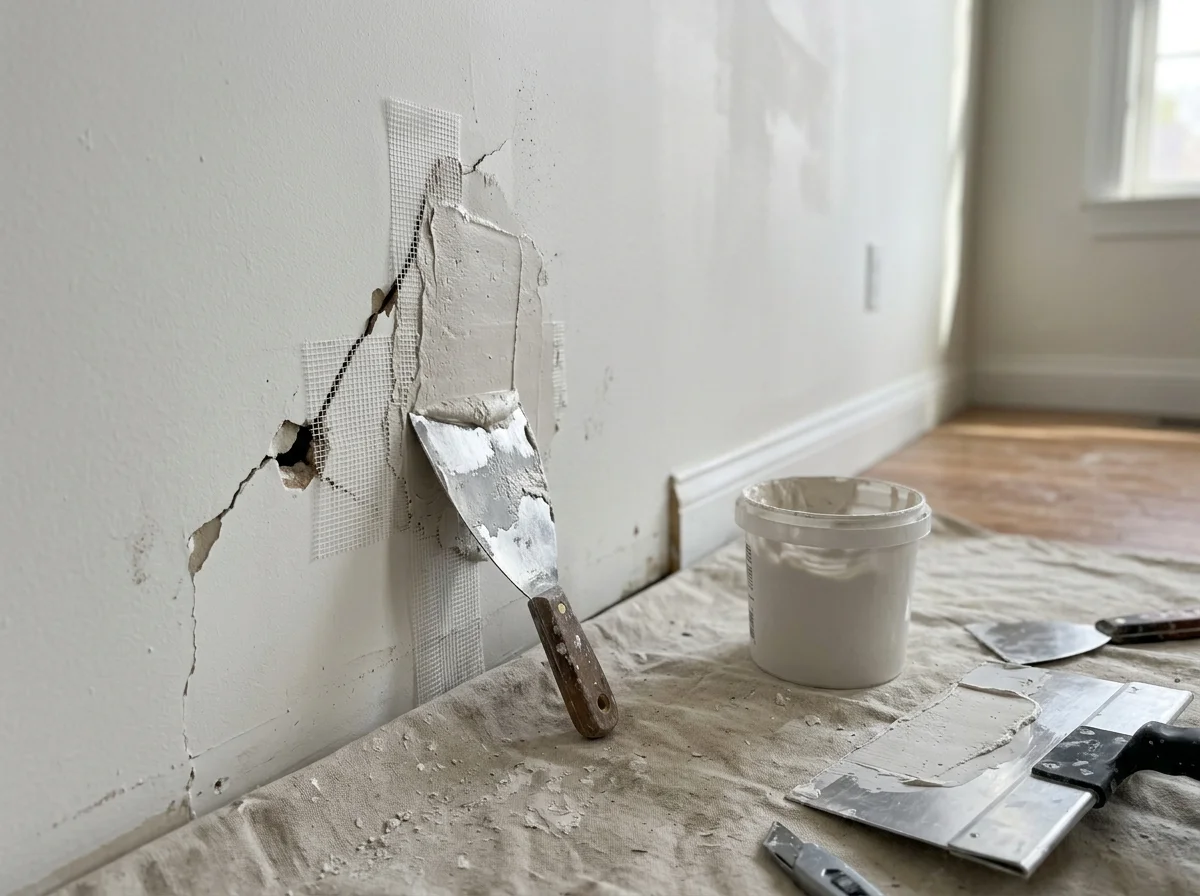
Small nail holes and minor dents are reasonable DIY projects for homeowners who have basic tools and some experience. Not the same for larger holes. Large hole drywall repair can include cutting out the damaged drywall, replacing it with new drywall, taping the replacement drywall, blending several coats of compound, and matching the texture of the surrounding wall.
The larger an area is damaged, the more difficult it will be to maintain a seamless finish without the correct technique.
3. You Notice Water Stains or Soft Areas
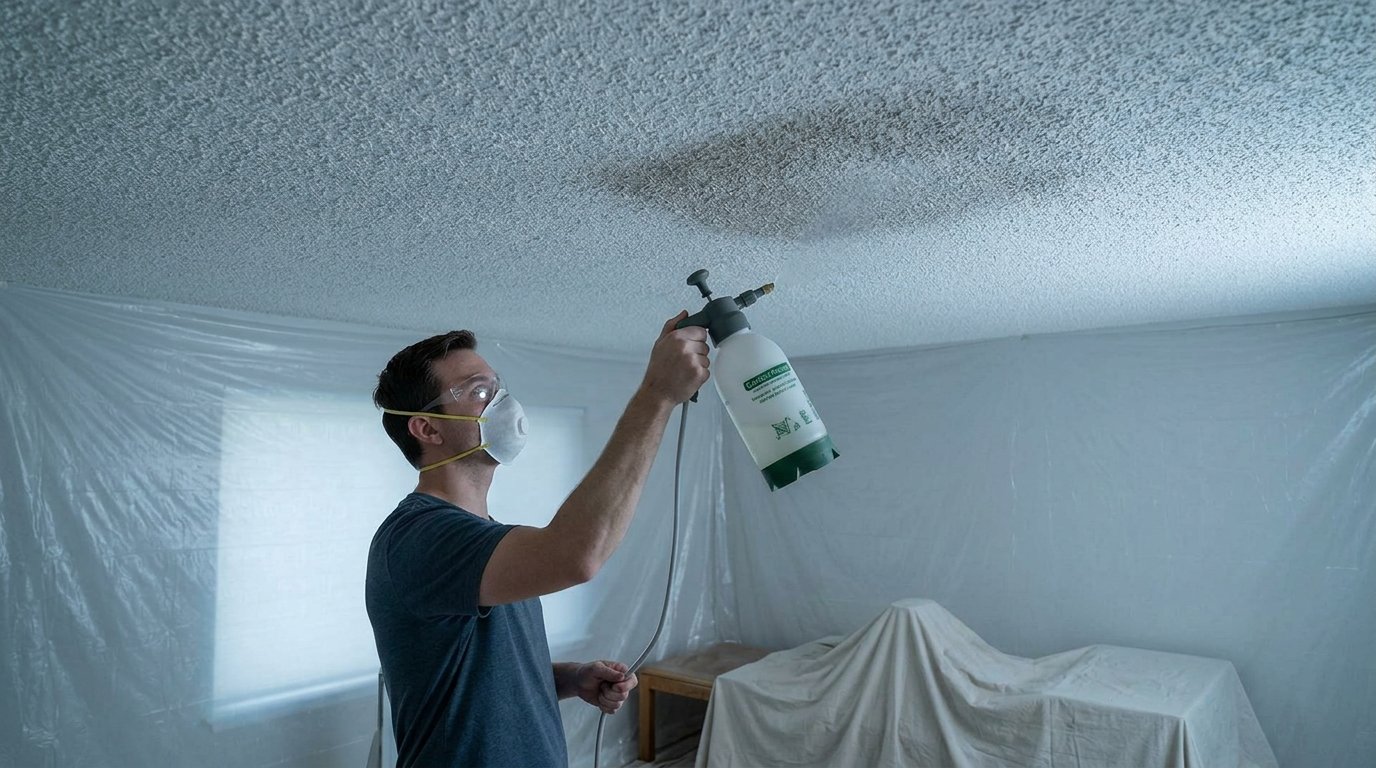
Water damage is one of the clearest reasons to skip a basic DIY patch. Signs of moisture in the wall or ceiling include staining, bubbling, peeling paint, and soft drywall. The first step in Water-damaged drywall repair is to find out where the moisture is coming from and fix it. Just covering the stain with compound or paint is not the solution to the problem.
Sometimes, the drywall can also be damp or damaged and provide concealment for mold or poor material quality. A professional can determine if it is possible to repair the damaged part or if a replacement is required.
4. Ceiling Drywall Is Sagging
This is more serious ceiling damage than a small dent on a wall and should be treated accordingly. Any bulging, sagging, or unevenly looking drywall may be a sign of issues with moisture, fasteners, panels, or supports. Attempting ceiling drywall repair without understanding why the material is sagging can create additional damage or leave an unsafe condition unresolved.
When the ceiling panel has shifted significantly or is water-damaged, it is better to have it inspected by a professional.
5. The Drywall Paper Is Peeling
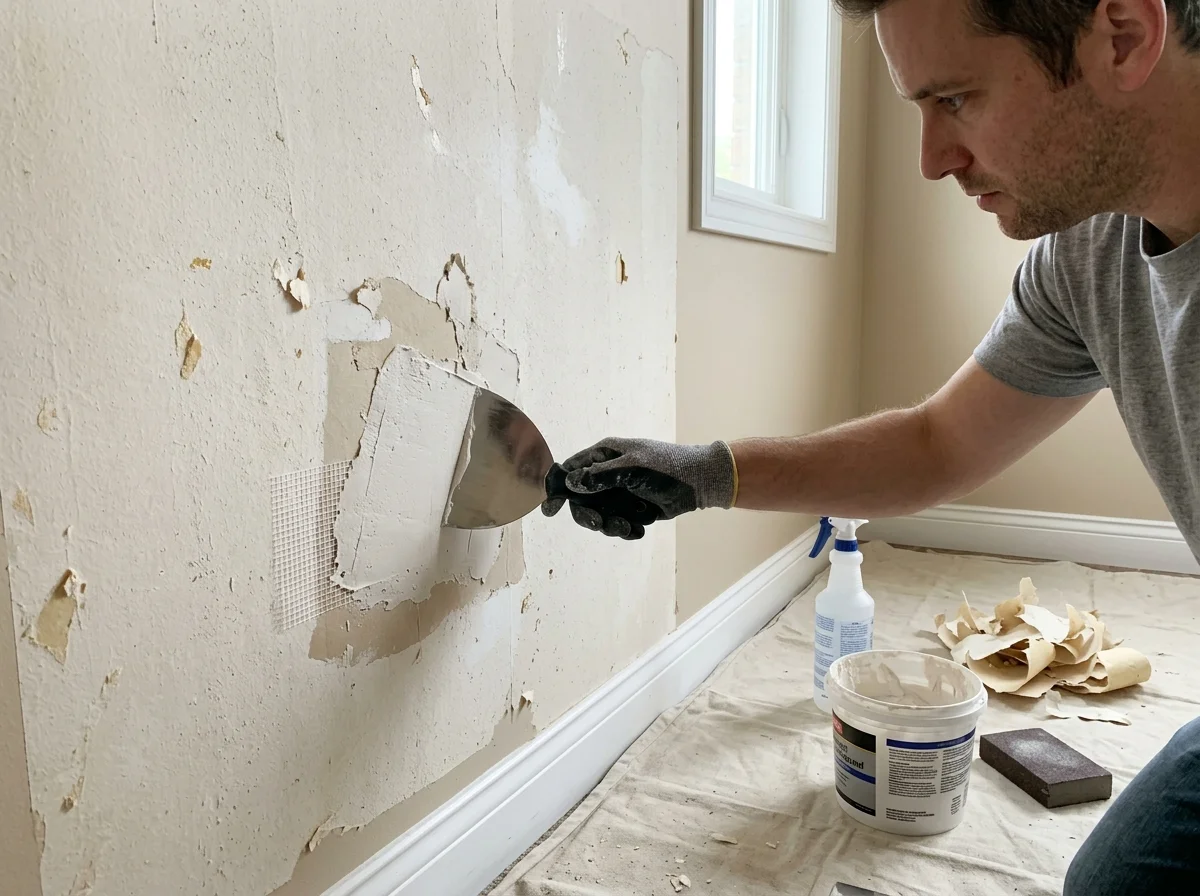
Another issue that can develop with DIY repairs is peeling drywall paper. After the paper is torn or separated, applying compound directly over the damaged surface may result in bubbling or an uneven surface. It may be necessary to carefully prepare, seal, patch, and blend the damaged area with the rest of the wall. This is more than just applying spackle to the area.
The same goes for when sections of the drywall facing have been torn off with the wallpaper. If this happens, drywall repair after wallpaper removal may require sealing the exposed paper, patching damaged areas, and restoring the surface before painting.
6. You See Several Types of Damage in One Area
A wall with nail holes is one thing. A wall with cracks, dents, peeling paper, uneven patches, and damaged seams is another. The repair process can be challenging with DIY repairs since there are several types of issues that can arise, and each problem might need a different solution. Attempting to fix all of this in a single patching job might result in ridges, uneven texture, or poor patching.
Before beginning the repair work, it’s good to know the extent of the damage, and a drywall condition evaluation can do just that.
7. Previous DIY Repairs Look Worse Than the Original Damage
The first repair sometimes results in a second problem. Excessive joint compound, bad taping, insufficient sanding, or an oversized patch can result in noticeable high spots and surface irregularities. These DIY drywall mistakes can become particularly noticeable after new paint is applied. Professional repairs include repairing the issue and prepping the surface for a uniform finish.
When DIY Drywall Repair Is Still Reasonable
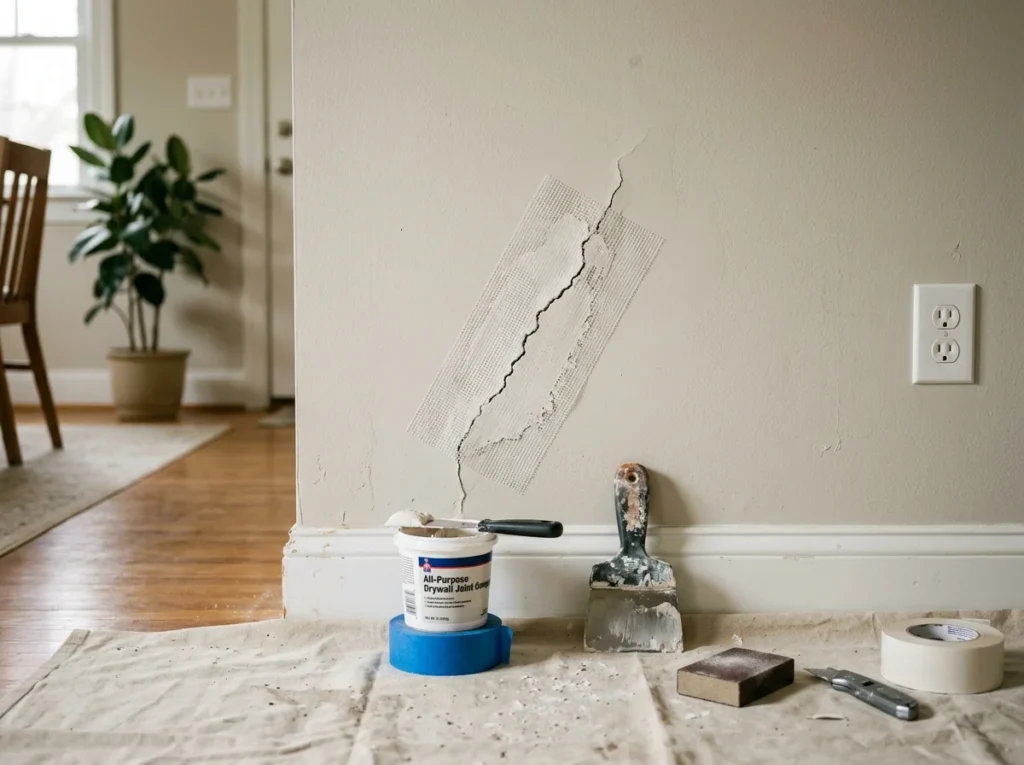
Professional repair is not necessary for every drywall problem. If the person has the proper tools and experience, he or she may be able to repair small nail holes, small dents, and very small surface imperfections. Simple repairs usually consist of cleaning away the damaged section, applying and letting dry the correct type of compound, sanding smooth, and repainting the area.
The key is being aware of what you can take on. When the repair involves moisture, structural issues, holes, extensive cracking, or a ceiling, professional advice can keep the project small.
Why Dallas Homes Can Develop Drywall Problems
Dallas homes are subject to extremes of summer heat, seasonal storms, humidity, and temperature swings that can cause stress on building materials. While these conditions do not necessarily result in damage to the drywall, they can impact wall surfaces inside if moisture intrudes, if there are roof or plumbing leaks, or if there are moisture issues around doors and windows.
That’s why a wall damage inspection should also take into account the potential cause of the damage, and not just the visible damage on the surface.
Repair or Replace Damaged Drywall?
Not all damaged panels have to be taken out. Patching, taping, skim coating, and refinishing may be sufficient if the structural integrity of the drywall is not compromised and the damage is limited to the surface. Replacement becomes more appropriate when the panel is extensively damaged, repeatedly exposed to moisture, soft, mold-affected, or too compromised to provide a stable surface.
A professional can run a comparison between the damage to the area and the replacement cost and labor. This is particularly helpful for homeowners who are looking at drywall replacement services due to large amounts of water damage or impact damage.
What Professional Drywall Repair Includes
A real drywall repair job is a lot more than just covering up the trouble spot. The aim is to bring your wall back to the point where you’d never know there was damage; it blends right in with everything else.
Depending on the problem, the work may include:
- Inspecting and identifying the type of damage
- Removing loose or compromised drywall
- Installing replacement drywall where necessary
- Applying drywall tape and joint compound
- Sanding and leveling repaired areas
- Matching existing wall texture
- Priming and preparing the surface for paint
For homeowners who need professional drywall services, Patch Pros of North Dallas can assess the condition of the wall and determine whether patching, restoration, or replacement is the appropriate solution.
How Much Damage Is Too Much for DIY Repair?
There’s no exact magic number, no particular size at which a repair shifts from “DIY” to “better call someone.” The real question is: Do you know what caused the issue? Do you have the right tools? Can you really fix it without making things worse?
A small hole may take minutes to patch, while a large damaged section can require several stages of work. Water damage, ceiling problems, recurring cracks, and extensive surface deterioration deserve greater caution regardless of size.
If you’re facing repairs with multiple steps, or you’re not sure what caused the damage in the first place, calling in a professional is the smart move.
Frequently Asked Questions
How do I know if my drywall needs professional repair?
If you see cracks coming back, big holes, water stains, soft spots, sagging ceilings, peeling drywall paper, or lots of damage, it’s probably time for a professional. And don’t just patch the surface; make sure you’ve dealt with what’s causing the problem.
Can all drywall damage be fixed with DIY methods?
No. Small holes and minor dents can often be handled by homeowners, but if there’s lots of water damage, big holes, issues in the ceiling, cracks that keep coming back, or anything that seems complicated, you’ll probably need special tools and expertise.
Is water-damaged drywall repairable?
Sometimes, yes. If the drywall is still solid and you’ve got the water problem fixed, you can usually restore certain spots. But if the panel is falling apart, has mold, or is severely damaged, you should plan to replace it.
Should I repair or replace damaged drywall?
Repair works if the damage isn’t too bad and the drywall is still sturdy. Replacement is the way to go if the drywall is really beat up, soft, full of mold, or keeps getting damp.
Why hire a professional drywall repair service?
Professionals can track down the real issue, pick the best repair method, and leave you with a smooth, even finish. Plus, they’ll spot bigger problems that a quick DIY fix might just cover up without actually solving them.
Final Thoughts: Know When Your Drywall Needs an Expert
You can definitely handle small, easy repairs on your own. But when you’re staring at big cracks, holes, water stains, drooping ceilings, or lots of surface damage, that’s a different story. It’s worth having a professional check things out before you start patching.
If you are unsure whether to repair or replace damaged drywall, Patch Pros of North Dallas can help evaluate the condition and recommend an appropriate repair approach. Addressing the underlying problem first can help you achieve a smoother, longer-lasting wall finish.