A variety of issues can arise on the walls of older homes in Dallas, and often, the solution is not as easy as a patch-up. Cracks, uneven surface layers, loose seams, and other indications of age may result from years of movement, earlier repairs, moisture exposure, and old installation techniques.
This is what makes drywall repair for older homes in Dallas, TX, different from that of a new home. The solution to the problem will be different based on the condition of the wall that has been damaged, the source of the damage, and the ability of the surrounding material to sustain an effective repair.
Why Older Dallas Homes Develop Drywall Problems
The changes that occur in an older house are inevitable. Materials settle, framing can shift slightly, and previous renovations may leave behind weak joints or poorly matched patches. These can cause repeating cracks or rough surfaces on walls.
Add another layer of stress to Dallas with the weather. Hot summer climate, sizeable diurnal temperature variations, and seasonal thunderstorms are present in the region. DFW normally records about 37 inches of precipitation annually, while average high temperatures reach the mid-90s in July and August.
In older structures, these conditions may exacerbate existing wall issues and make them more apparent, particularly at points where the building materials have already degraded.
Common Signs of Aging Drywall
Homeowners may notice:
- Hairline wall cracks around doors, windows, and ceiling joints
- Nail holes and loose drywall seams
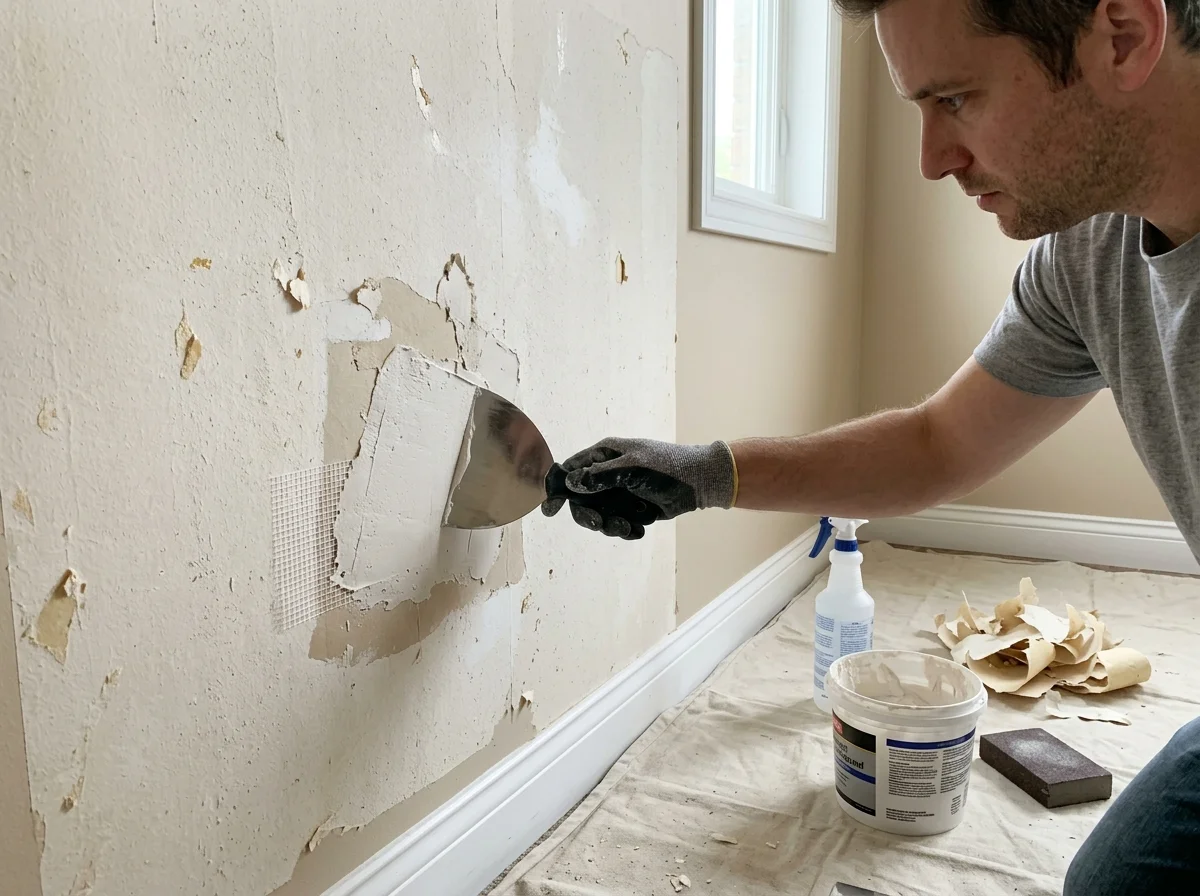
- Peeling or damaged drywall paper
- Small holes from previous repairs or renovations
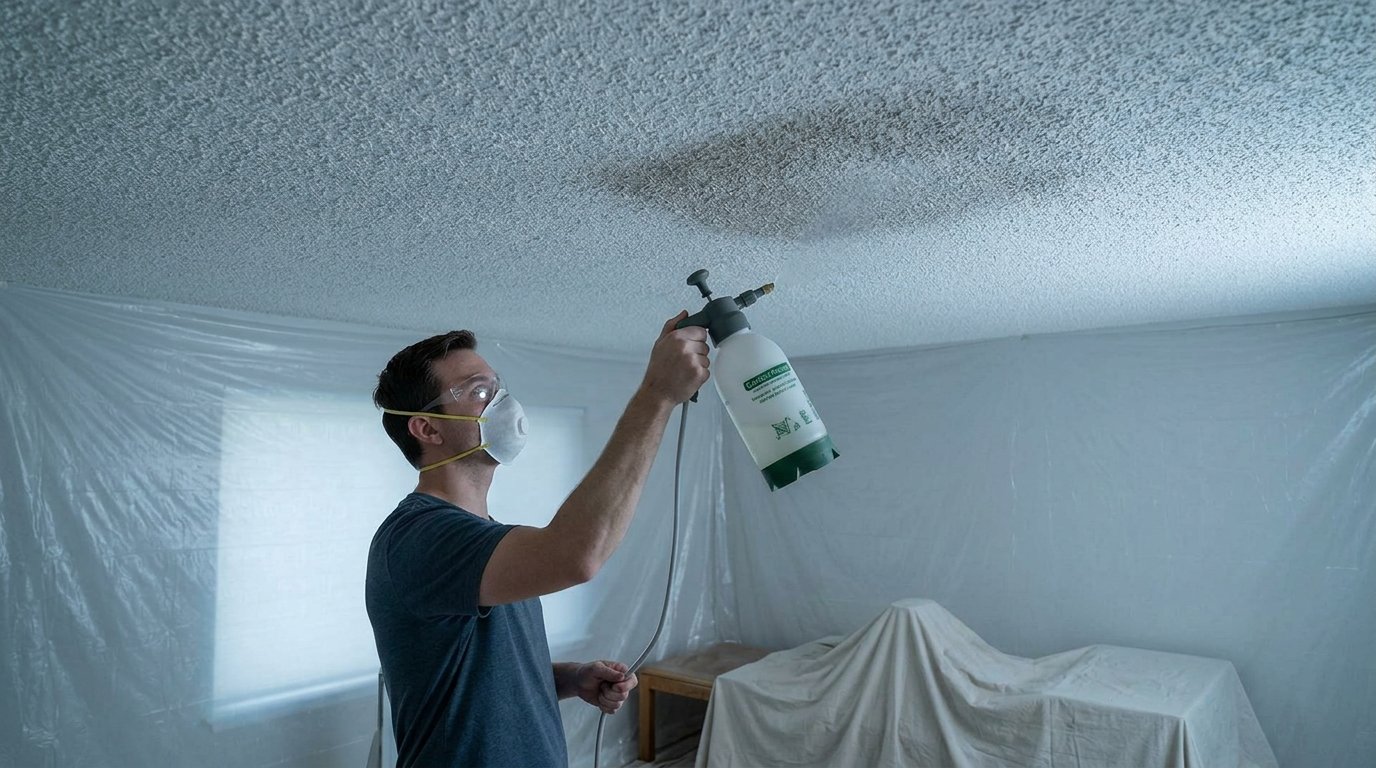
- Water stains or softened sections
- Uneven textures from multiple patch jobs
- Ceiling cracks that continue to return
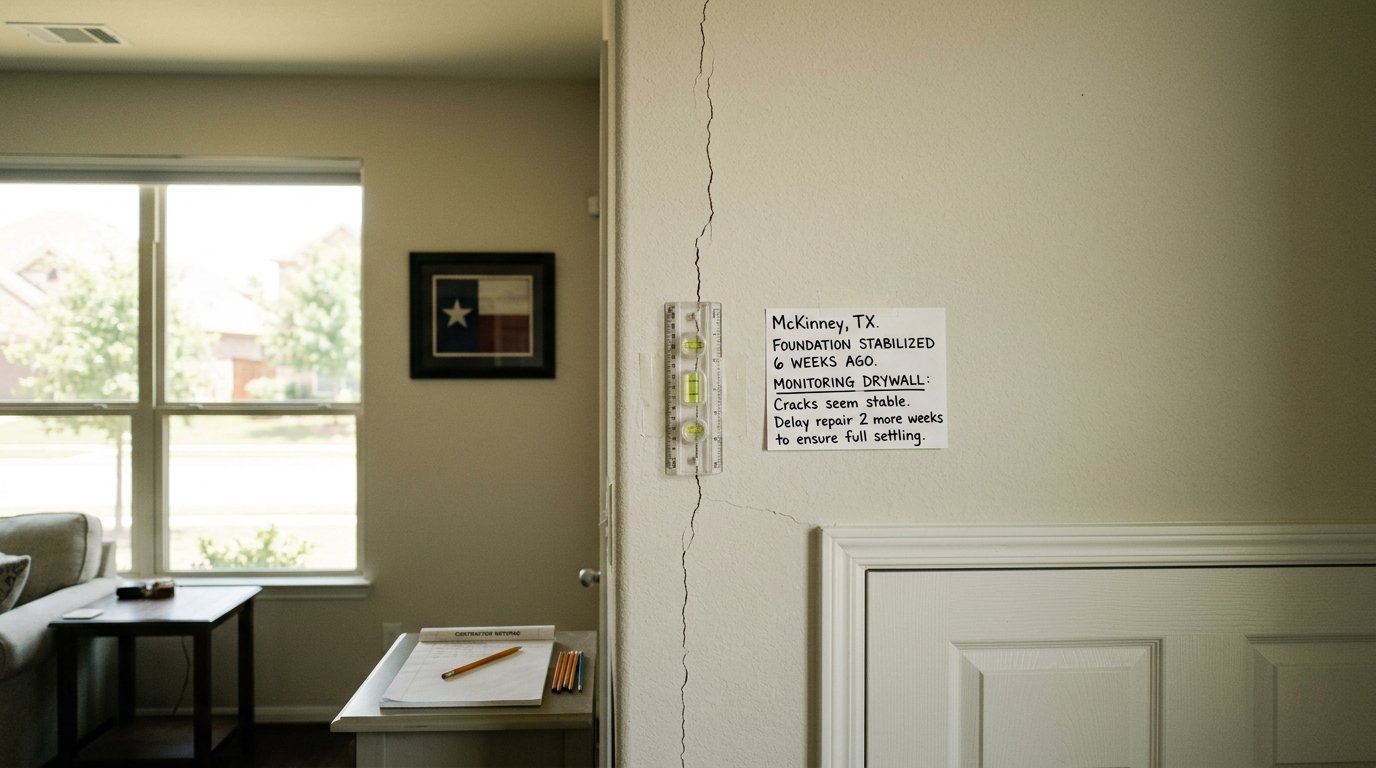
There are certain cosmetic cracks, and other cracks that keep appearing or growing are indicators of a bigger problem and should be taken up by a professional wall inspector.
Repair or Replace? Start With the Wall Condition
The most important decision in older home drywall repair is whether or not the old material should be preserved. A small crack or isolated hole can often be repaired without removing an entire section.
However, if the drywall is in very bad condition, it may not be suitable for another patch. If the material is deteriorating through crumbling, repeated separation, and/or significant water impact, a partial or total replacement may be more appropriate.
When Repair Makes Sense
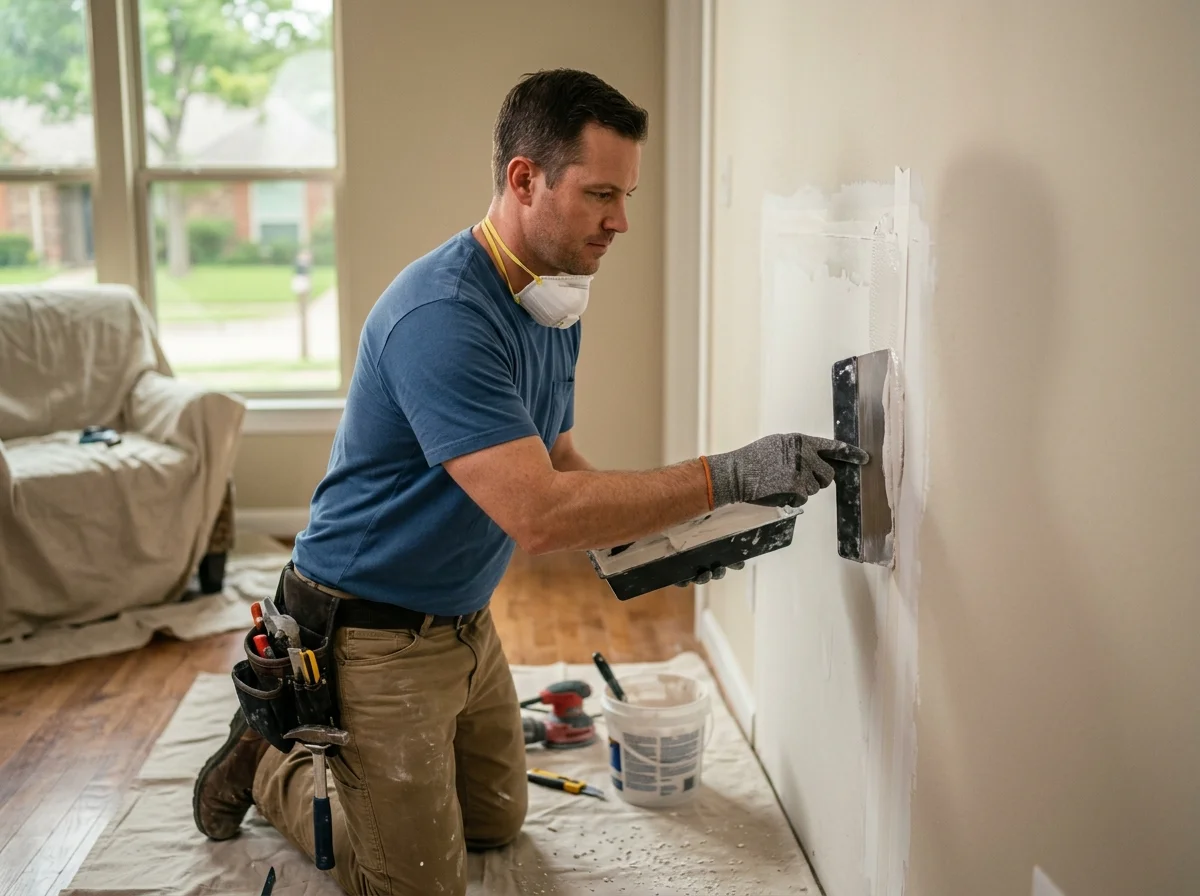
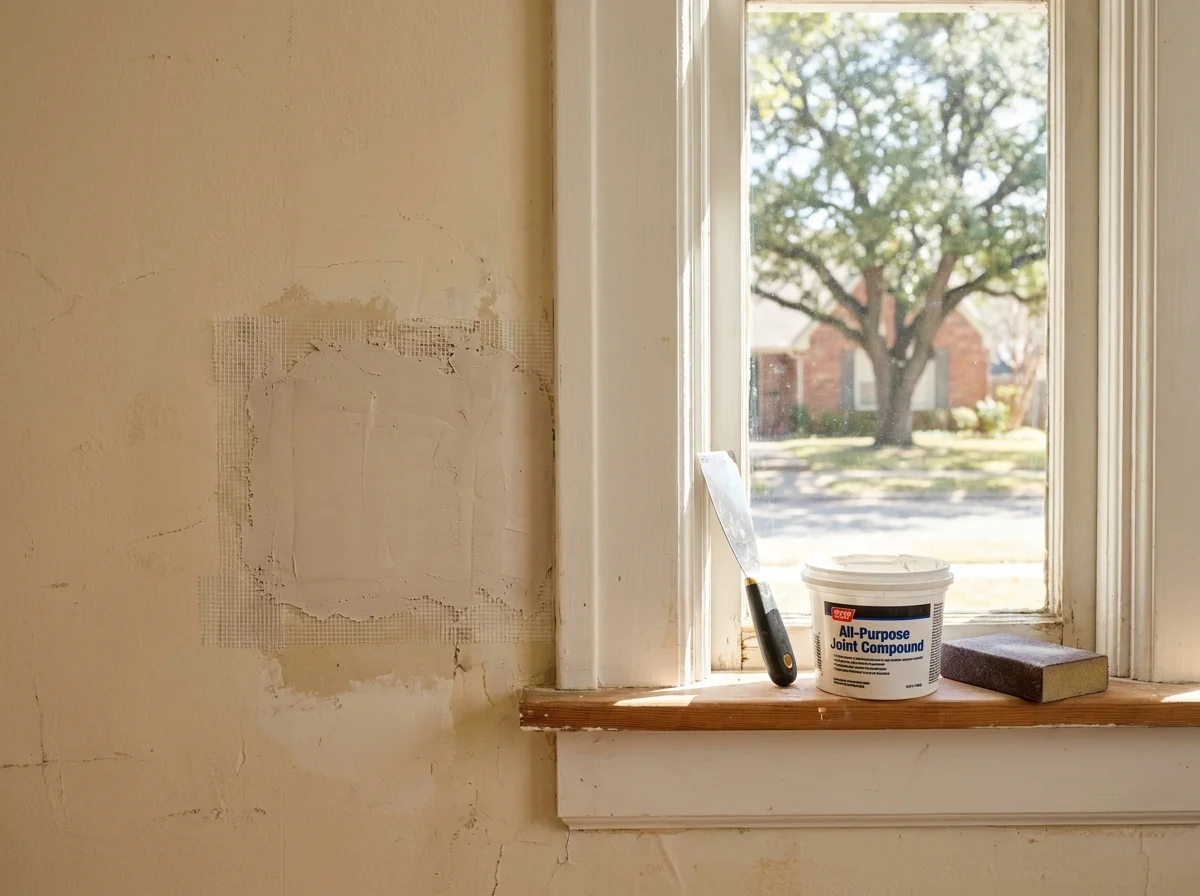
Minor cracks, nail holes, small impact damage, and limited seam problems can usually be addressed through targeted drywall patching. The affected area is treated, fixed, levelled, sanded, and finished to match the rest of the wall.
When Replacement Is Better
Extensive water damage, widespread deterioration, large holes, or compromised sections may require drywall replacement in older houses. A damaged area may provide a firmer base for the finished product than repeated compounding over the damaged area.
Solutions That Work Well for Older Dallas Walls
A good repair is not simply about making damage disappear temporarily. It should cover the affected area with a design that preserves the existing wall’s appearance.
Repairing Cracks and Seams
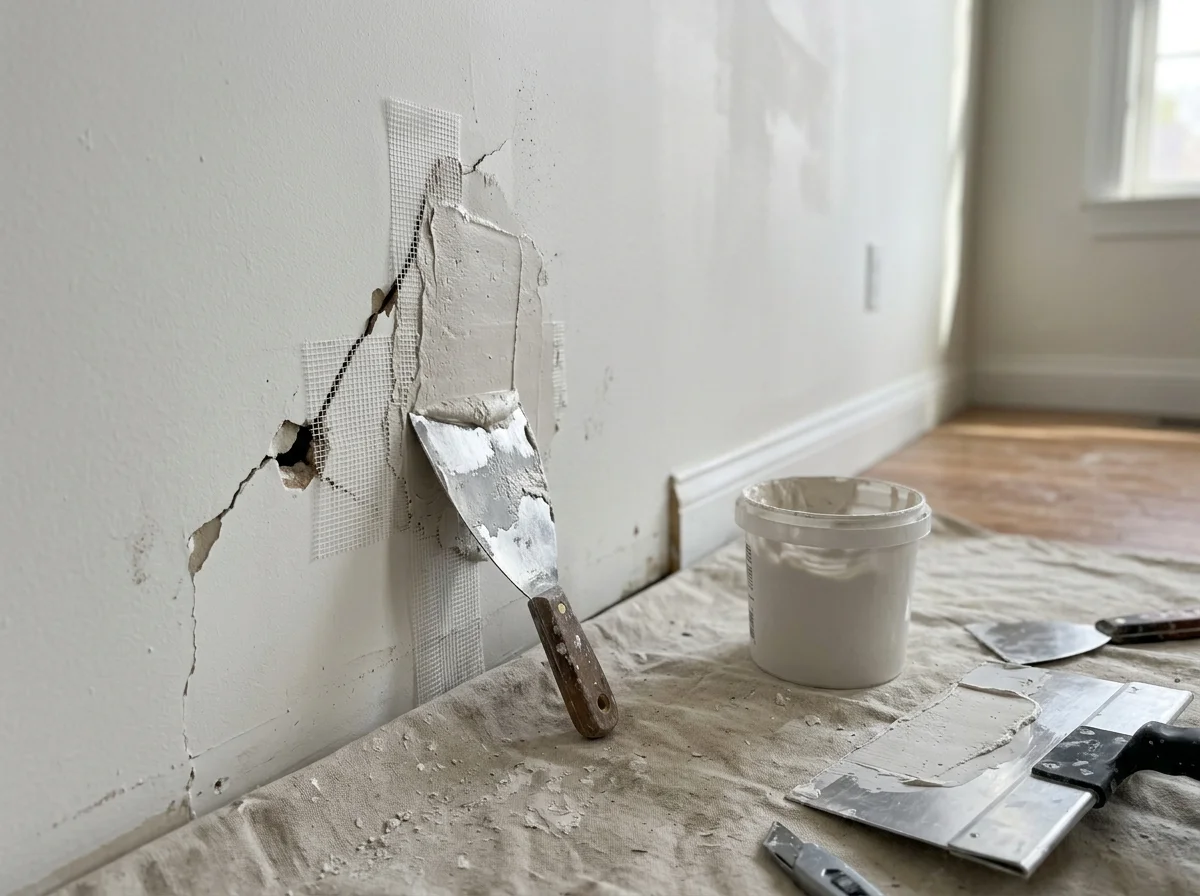
The first step for homeowners seeking to fix cracked drywall in older homes is to determine the cause of the crack. If cracks form on the surface and are not growing, then they may need joint compound and reinforcement. If they keep forming, a closer look at the movement around the crack area is needed.
Professional repairs may involve the removal of loose material, reinforcement of the joint, layering of compound, and sanding between layers. This will create seamless drywall repairs rather than a clear patch that will stand out.
Restoring Damaged Sections
Multiple layers of previous repairs to older walls are not uncommon. Instead of adding another patch over an uneven area, a contractor may remove damaged material and install a properly sized piece of drywall.
This approach is particularly useful for old sheetrock repair, where the surrounding surface has become weak or heavily patched.
Matching Existing Texture
One of the easiest ways to identify if a repair is a good one or not is by using texture matching. A patch installed on a textured wall surface with a smooth surface can make a textured wall look bad, even if the underlying repair is structurally sound.
Drywall texture matching is a process to match the pattern of the surrounding area so that the repaired area blends in seamlessly with the rest of the wall. This is even more important in older homes where the original finishes might have a unique look.
What About Plaster-to-Drywall Repairs?
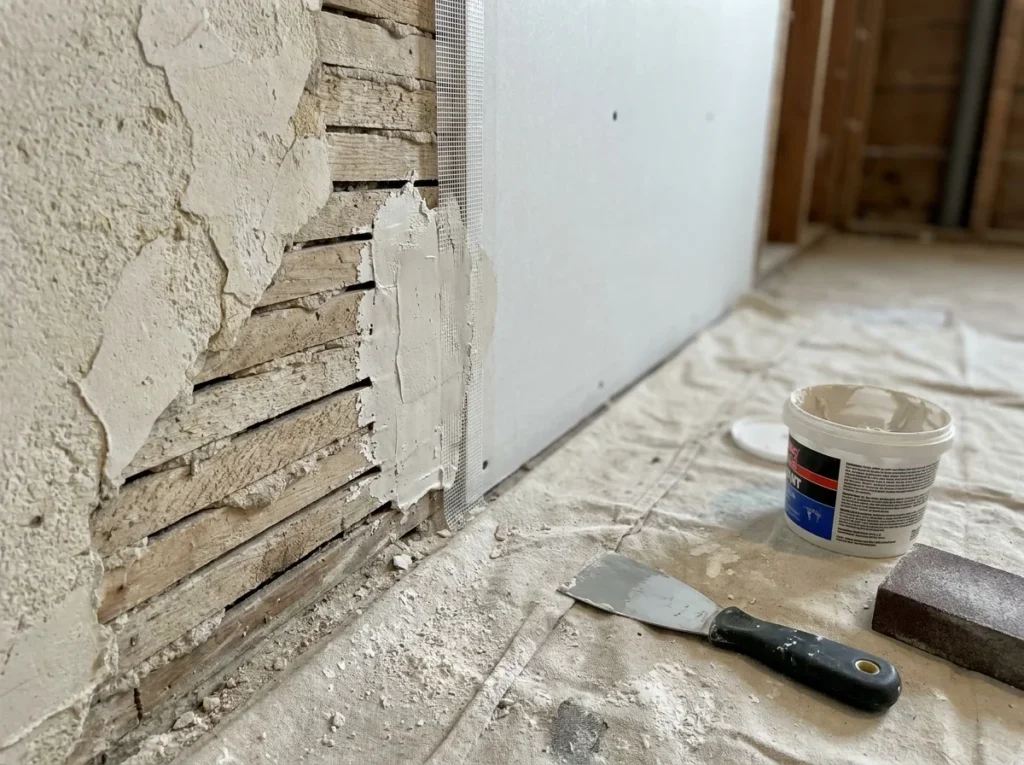
Plaster or older wall materials and newer drywall from previous renovations may be found in some older Dallas homes. These transitions produce varying thicknesses, textures, and points of attachment.
When preparing a plaster-to-drywall repair, a lot of care must be exercised to avoid forming a visible ridge or future crack. The repair method should not assume the wall is a normal modern drywall wall, but should consider the materials that are already there.
Maintaining some of the original material may be more desirable than needless replacements for historic properties. The key is to follow a targeted approach to support historic home drywall repair in Dallas and to maintain a practical approach to repair.
How Professionals Approach Older Wall Repairs
A professional repair typically starts with an inspection rather than immediately applying drywall compound.
- Inspect the damage: A damaged wall or ceiling is examined for cracks, moisture, loose materials, and prior repairs.
- Identify the repair method: This decision involves whether patching, reinforcement, resurfacing, or replacement will be used.
- Prepare the surface: Cleanup of loose drywall, damaged paper, etc., as needed. When previous renovations have damaged the paper facing, such as during wallpaper removal, the surface may require additional preparation before it can be repaired.
- Complete the repair: The correct patch, tape, compound, and/or replacement section is applied.
- Finish and blend: Textures and sanding can be used for a smooth surface.
This process is especially useful when homeowners need professional drywall repair in Dallas, TX, rather than another temporary patch.
When Should You Hire a Drywall Repair Contractor?
Not all cracks will need a professional service. If there are a few small nail holes, they are generally easy to deal with, but if the holes are larger or keep recurring, it is important to pay more attention to them.
You may want to call a drywall repair contractor in Dallas, TX, if cracks keep reappearing, water damage exists, areas of the ceiling are damaged, or multiple areas are starting to pull apart. In cases where the cause is unknown, a contractor may be helpful. If the damage is fixed but there is no effort to fix the moisture/movement problem, then another repair may be required in the future.
Moisture is a crucial consideration for Dallas homes, as spring and fall are often wet months, and heavy rain and other damaging weather can occur with severe storms.
Choosing the Right Repair Approach for Your Home
The best solution depends on the age and condition of the wall, not simply the size of the visible damage. You might see a tiny crack and think it’s no big deal, but if that crack keeps popping up, especially in an older wall, it’s a sign you need a much closer look.
Patch Pros of North Dallas can help homeowners evaluate whether a damaged area needs patching, resurfacing, texture matching, or replacement. The goal is to restore the wall while creating a finish that fits the surrounding surface.
Frequently Asked Questions
What are the best drywall repair solutions for older homes?
It depends on the problem. If you’re dealing with small cracks or holes, patching usually takes care of it. But sections that look rotten or water-soaked need to be replaced. Texture matching is pretty important, too, especially when the wall has a unique or older finish.
How do you repair cracked drywall in an old house?
First, identify whether the crack is isolated or recurring. If it’s stable, you can clean it out, reinforce it, fill it with compound, sand it, and finish it. Recurring cracks mean you should dig deeper to check for moisture, movement, or issues in the surrounding drywall.
Why does drywall crack in older Dallas homes?
It’s usually things like age, shifts in the building, old repairs, moisture issues, or changes in temperature. Dallas has intense summers and wild storms, so materials that are already old get pushed even harder.
Can damaged drywall be restored without replacement?
Absolutely, as long as the wall is still solid. Small holes, cracks, or minor seam damage are often patchable. But if the drywall feels soft, looks rotten, or keeps failing, it’s time to replace it.
How do you match old drywall texture?
First, you bring the repair spot up to the right surface level. Then, you apply a finishing material to mimic the surrounding pattern. Careful drying, sanding, and touch-ups help the patch blend in seamlessly.
When should homeowners hire a drywall repair contractor?
Professional help makes sense when cracks keep returning, damage covers a larger area, water has affected the wall, ceilings are involved, or previous repairs look uneven. Professional Interior Wall Repair for Older Homes can also help when the correct repair method is difficult to determine.
Final Thoughts: Restore Older Dallas Walls With the Right Repair
Older houses need more than just a quick swipe of drywall mud. Figuring out what’s causing the damage, deciding if repair or replacement makes sense, and matching the original finish all shape how good the outcome looks.
For homeowners dealing with aging walls, recurring cracks, or damaged ceilings, Patch Pros of North Dallas can provide a practical starting point for determining the right restoration approach. A well-planned repair can improve the appearance of an older home while helping the repaired area hold up for the long term.