
You finally sit down after a long day in North Dallas, but the neighbor’s TV blares right through your living room wall. Or maybe your kids’ footsteps upstairs sound like thunder. Noise sneaks into every corner of your home and steals your peace.
You are not alone in this frustration. Many homes built with standard drywall simply cannot block everyday sounds. Thin walls and shared ceilings make it worse. Soundproof drywall installation changes that picture fast. It gives you control over your quiet space without a full remodel.
Why Drywall Plays a Big Role in Sound Control
Drywall does more than cover walls. It adds mass that stops sound waves from passing through. When you upgrade to better systems, you cut noise at the source. Homeowners notice the difference right away in bedrooms and home offices.
Standard drywall alone offers little help against loud neighbors or street traffic. You need a full system built for noise. Soundproof drywall systems combine layers and special materials to trap sound before it travels. The result feels like a whole new home.
Start with the Right Soundproof Drywall Systems
Pick materials that match your noise problem. Some homes need help with airborne sound, like voices. Others fight the impact noise from footsteps. Soundproof drywall systems handle both when installed correctly.
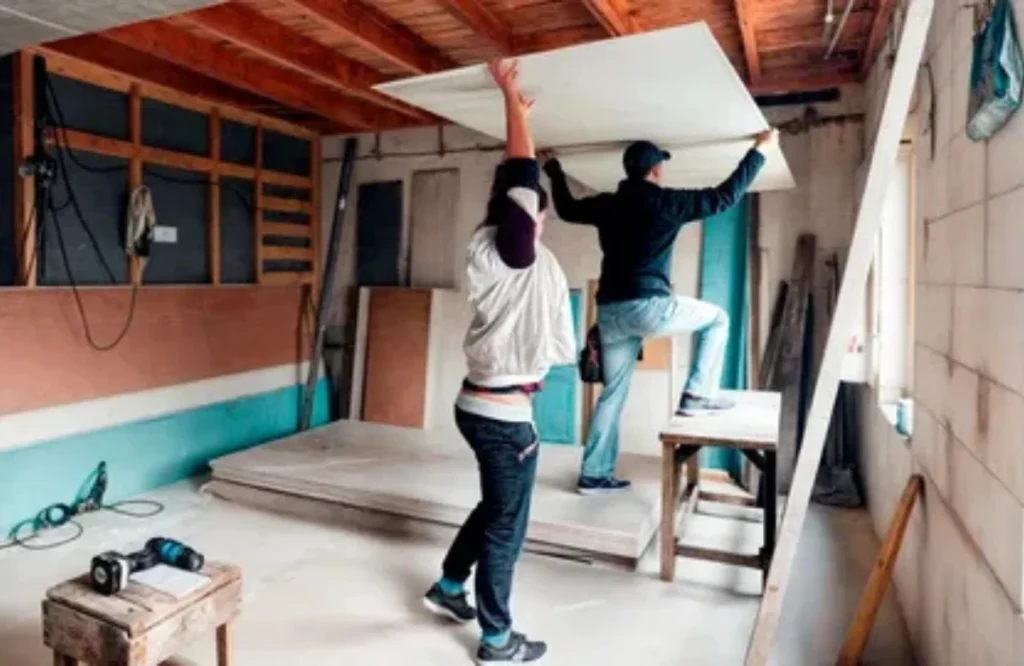
Look for denser panels made for quiet. These work best when paired with other layers. You avoid guesswork by planning the full setup first. Professionals see what works in local McKinney homes every week.
Install Resilient Channels to Break the Connection
Resilient channel installation creates a small gap between the drywall and the studs. This gap stops vibrations from jumping across. Sound loses energy and stays trapped.
You screw the channels horizontally across walls or ceilings first. Then you attach the drywall to the channels only. The floating effect cuts noise by up to twenty points on the rating scale. It is one of the smartest moves you can make early in the project.
Fill Cavities with Acoustic Insulation Layers
Empty wall spaces act like tunnels for sound. Acoustic insulation layers fill those gaps and absorb energy inside the wall. You get immediate results without changing the room size.
Dense rockwool or fiberglass batts work best here. Cut them snug so they stay put. The extra mass and absorption team up with your drywall for stronger blocking power. Homeowners often say this step alone quiets the space noticeably.
Add Mass-Loaded Vinyl Barriers for Extra Blocking
Mass-loaded vinyl barriers bring serious weight to the job. They are flexible sheets that add density without bulk. You hang them right over the insulation or existing wall before new drywall goes up.
The heavy material reflects sound waves where they came from. Mass-loaded vinyl installation pairs perfectly with other layers for tough noise problems. It handles everything from highway rumble to loud music next door.
Build Strong Results with Drywall Layering for Noise Reduction
One layer of drywall rarely does enough. Drywall layering for noise reduction means adding a second or even third sheet. You stagger the seams so sound cannot slip through the cracks.
Apply a damping compound between layers for even better performance. The compound turns vibration into heat and kills the noise. This simple trick raises comfort fast and lasts for years.
Handle Ceilings with Smart Decoupling Moves
Ceilings often let the most noise through because they sit between floors. Ceiling decoupling techniques work like the resilient channels but focus on overhead spaces. You hang the drywall so it floats free from the joists above.
Special clips and channels give the best separation here. Add insulation above the new layer, too. The combination stops footsteps and voices from raining down into your living areas.
Boost Overall Performance with STC Rating Improvement Methods
STC rating improvement methods measure how well your walls block sound. A higher number means quieter rooms. Standard walls might rate around thirty-five. Good soundproofing can push that number past fifty.
You reach higher ratings by combining mass, decoupling, and absorption. Test the space before and after if you want proof. Many families in the area choose this path for home theaters or nurseries.
Control Vibrations with the Right Dampening Materials
Vibration-damping materials stop sound from traveling through the structure itself. Green glue or similar compounds go between drywall sheets and turn energy into tiny heat. The noise simply disappears.
You can also add special clips at outlets and light fixtures. These small touches keep vibrations from spreading. The whole system works together, so no weak spots remain.
Seal Every Gap for Complete Quiet
Sound loves tiny cracks around doors, windows, and electrical boxes. Acoustic caulk fills those spots and blocks leaks. You apply it after the main layers go up, but before final paint.
Pay extra attention to baseboards and crown molding, too. A complete seal makes every other step more effective. The difference feels like night and day once you finish.
Finish Strong and Enjoy the Results
Paint or texture the new walls any way you like. The soundproofing stays hidden while the quiet stays with you. Walk through your home and notice how peaceful it feels.
You invested time and materials wisely. The payoff shows up every single day. Families report better sleep, clearer conversations, and less stress after proper soundproof drywall installation.
Ready to Make Your Home Truly Quiet?
Stop living with unwanted noise. Patch Pros of North Dallas specializes in soundproof drywall installation that fits your exact needs. Our team handles residential drywall services across McKinney and North Dallas with care and speed.
Call us today or visit Patch Pros of North Dallas to schedule your free consultation. We will walk your space, explain every option, and give you a clear plan that delivers real quiet. Your peaceful home is one project away.
FAQs
How much does soundproofing with drywall usually cost?
Expect to pay between four and eight dollars per square foot, depending on the layers you choose. This includes materials and professional labor for a complete job.
Can I soundproof just one room without touching the whole house?
Yes. You can focus on a single bedroom or home office. The same techniques apply and deliver strong results in that space alone.
Will adding soundproof drywall change the look of my rooms?
No noticeable change happens. The extra layers sit inside the walls or ceilings, so your paint and trim stay exactly the same.
How long does a typical soundproof drywall project take?
Most rooms finish in two to four days. Larger homes may need a full week. Our crew works efficiently to keep your life on track.
Do I need a permit for soundproof drywall work in North Dallas?
Simple interior jobs rarely need permits. We check local rules for your address and handle everything so you do not have to worry.