
Drywall seams provide a seamless edge at which two panels meet, but cracks, peeling tape, and noticeable ridges can make walls and ceilings look unfinished. Problems are frequently caused by wall movement, poor installation, or changes in moisture.
Effective drywall seam repair starts with identifying the cause rather than covering the crack with another layer of compound. The right fix can help restore the surface and minimize the likelihood of recurrence.
What Causes Drywall Seams to Crack or Separate?
There are no universal solutions for all problems. When looking at a problem, think carefully about what the solution will be.
- Settling and wall movement: Minor changes in framing can cause stress in drywall joints. Cracks can develop at panel joints, particularly around doors, windows, and edges of ceilings.
- Poor installation: Loose panels, missing screws, inadequate joint compound, or improperly installed tape weakens a seam.
- Humidity changes: Building materials expand and contract because of changes in humidity. High humidity may also cause a delay in compound drying and may cause finishing issues.
- Joint compound failure: Thickly applied, dried too fast, or not properly bonded compounds may crack or lose adhesion.
- Water damage: Leaky roofs, plumbing issues, or condensation may cause drywall to start to sag and cause tape to separate a seam.
Pay attention to recurring cracks. If a seam repeatedly separates after repair, the problem may involve loose framing, moisture, or building movement rather than the surface finish alone.
How to Repair Drywall Seams Based on the Damage
The best method depends on whether the damage affects only the compound, the tape, or the drywall panels themselves.
Hairline cracks with firmly attached tape
If the tape remains secure and the crack is shallow, remove loose compound and clean the surface. Spread a thin coat of appropriate joint compound across the crack and feather the edges of the crack to the wall surface.
Give the material time to cure as directed on the product label. Apply another thin coat if needed, then sand lightly before priming and painting.
Loose or bubbling drywall tape
If there are tape lifts, wrinkles, or bubbles, spreading on the compound is not the solution and will not often provide a long-term repair.
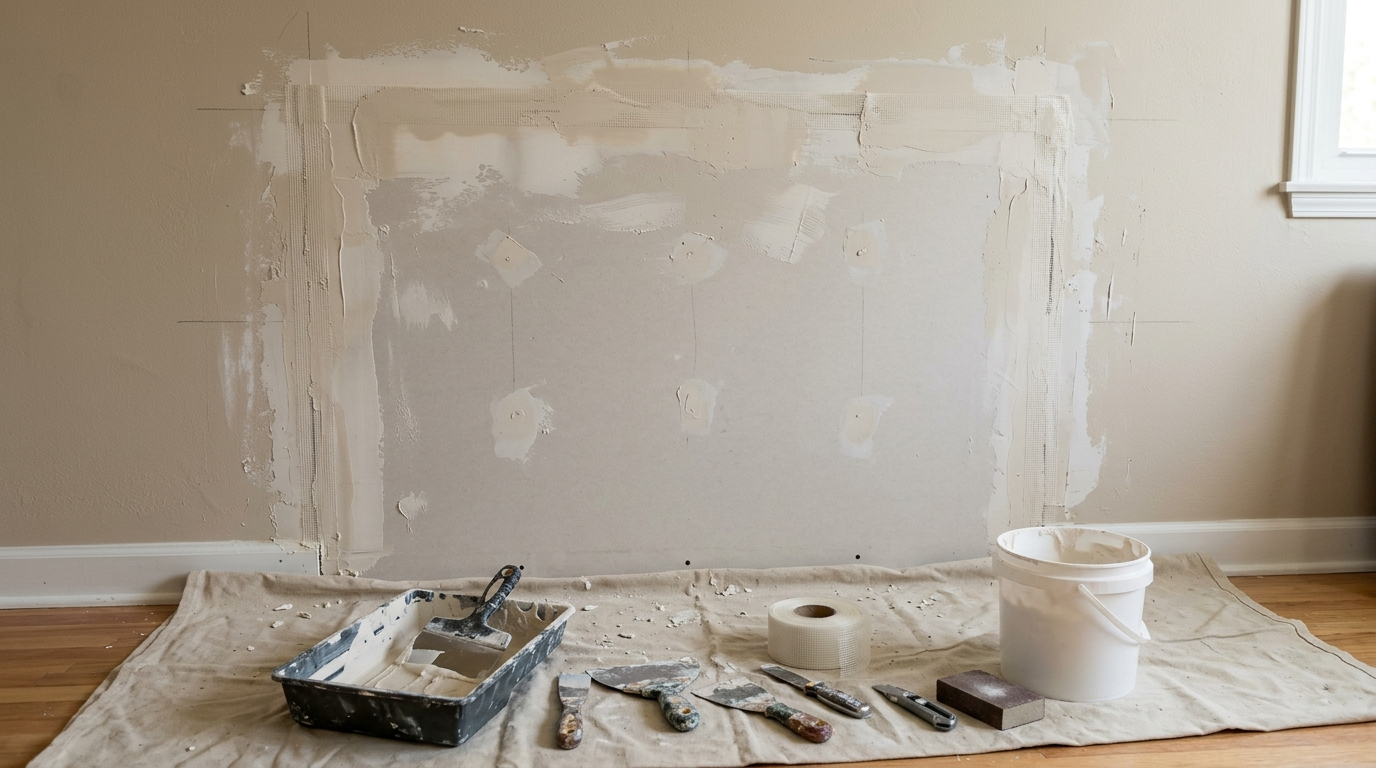
- Cut away loose tape and damaged compound with a utility knife.
- Remove dust and check that the drywall surface is firm and dry.
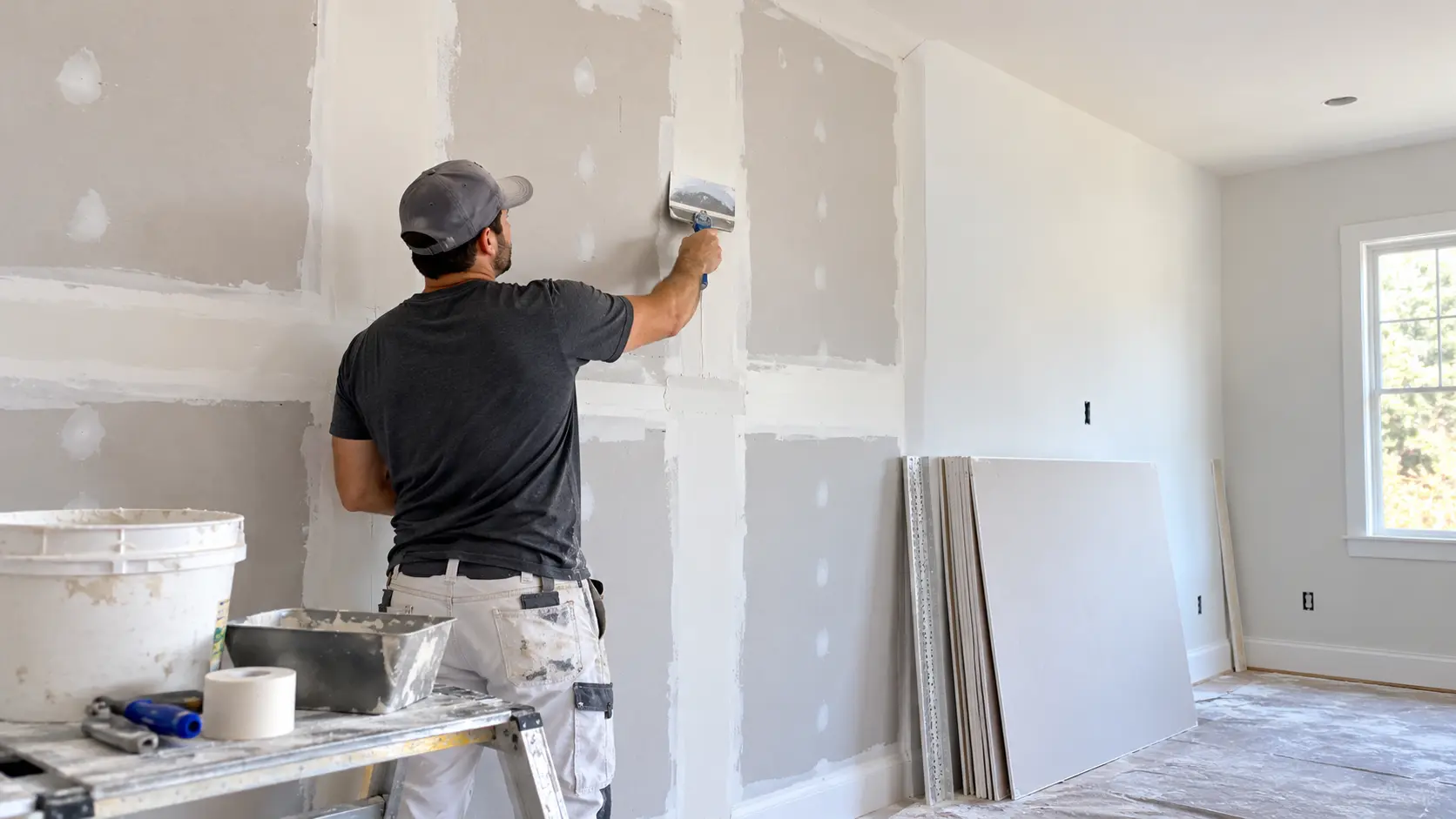
- Apply fresh joint compound and embed new paper tape or an appropriate alternative.
- Add finishing coats, allowing each layer to dry as directed.
- Sand the repaired joint, then prime and repaint.
This process is especially important when bubbling tape appears along a long seam or returns after previous repairs.
Wide cracks or separated panels
A wider crack could mean that the drywall panels are shifting or were not fastened correctly. Look for loose drywall screws, damaged edges of panels, and any sign of movement in the framing.
If panels are loose, attach them to appropriate framing prior to retaping and completing the joint. Severely damaged edges may need to be cut out and replaced with new drywall. If the movement is continuing or if there are extensive cracks, a further evaluation should be done before cosmetic restoration is started.
How Much Does Drywall Seam Repair Cost in North Dallas?
The cost of the crack repair is determined by the length of the crack, condition of the tape, accessibility of the damaged area, and if paint is to be applied or further repairs are necessary.
Dallas-area estimates for drywall joint and seam repairs are approximately $45 to $210 per project. Its broader Dallas drywall repair figures show an average of $469, with a typical range of $256 to $683. The difference reflects the fact that general repair projects may include more extensive damage than a simple seam fix.
These are only budgeting references and not price estimates for any individual home. Ceiling repairs, water damage, texture matching, and repeated seam failure may increase the total. Before approving work, ask the contractor whether the estimate includes retaping, multiple compound coats, sanding, texture matching, primer, and paint.
How to Prevent Drywall Seam Cracks From Returning
A durable finish depends on proper installation and suitable conditions, not just the final coat of paint.
- Secure the panels properly: Drywall screws should hold the panels firmly against the framing without breaking the paper surface.
- Use suitable tape and compound: Choose materials designed for the joint and follow the manufacturer’s application instructions.
- Apply thin finishing coats: Several controlled layers generally produce a smoother finish than one thick application.
- Allow enough drying time: Rushing between coats can affect the finish and lead to additional work.
- Control moisture: Repair leaks, improve ventilation where needed, and address persistent humidity before refinishing the seam.
If the cracks keep forming in the same spot, check the root cause and not just keep putting more compound in the crack.
When Should You Call a Drywall Contractor?
Minor surface cracks may be fine, but some cracks indicate that it’s time to take a closer look. If the seam splits again and again, the drywall becomes soft, water stains are noticed, or the ceiling starts to sag, call a professional.
A sagging ceiling may indicate loose fasteners, moisture damage, or a more serious problem with the ceiling assembly. Do not assume it is simply a finishing issue. If the ceiling is visibly bowing, falling, or making unusual sounds, keep people away from the area until it has been assessed.
Learning the common ceiling sagging causes can help you recognize when a cosmetic repair is not enough. A contractor can also determine whether the framing or damaged drywall needs attention before the surface is refinished.
For homeowners seeking help with recurring seam cracks, Patch Pros of North Dallas can be considered for a drywall assessment and repair services. Discuss the cause of the damage, the proposed repair method, and whether it includes finishing and painting.
Frequently Asked Questions
Can I repair cracked drywall seams without removing the tape?
Yes, when the tape is securely fastened and the crack only involves the compound. Remove loose material and apply fresh compound. If the tape is peeling or bubbling, replace the affected section.
Why do drywall seams keep cracking after repair?
Cracks usually come back because the wall moves, panels aren’t secure, the taping was uneven, there’s moisture, or the coats didn’t dry enough. Figure out what’s causing the problem and fix it prior to redoing the seam.
How long does drywall seam repair take?
A small repair may take only a few hours of hands-on work, but drying between coats can extend the job over one or more days. Larger repairs may take longer, especially when texture and paint must be matched.
Is mesh tape or paper tape better for drywall seams?
Both have appropriate uses. Most people use paper tape for standard joints, while fiberglass mesh tape fits specific jobs as long as you use the right compound with it. Always follow the instructions on the product and pick materials that fit your repair.
Should I repaint the entire wall after repairing a seam?
Not always. Small repairs may blend with the existing finish, but differences in paint color, sheen, or wall texture can remain visible. Repainting the entire wall often produces a more consistent appearance.
Final Thoughts: Fix the Cause, Not Just the Crack
Successful drywall seam repair involves more than hiding visible damage. Check the tape, compound, panel attachment, and moisture conditions before selecting a method. Careful preparation, proper taping, and sufficient drying time help create a smoother, more durable finish.
When cracks keep returning, or ceiling damage appears, Patch Pros of North Dallas can help assess the problem and provide the appropriate repair. Addressing the underlying cause helps prevent repeated cosmetic fixes and supports a longer-lasting result.