Drywall is a popular wall and ceiling material that provides a smooth, finished wall surface in interior applications. Its presence can be seen in homes, apartments, offices, retail buildings, and other structures. It provides a clean surface for paint, wallpaper, and other interior finishes without the lengthy process required for traditional plaster walls.
The knowledge of the materials and the type of drywall can be beneficial in making decisions in construction, remodeling, and repairs. The information in this guide covers the material, its typical applications, benefits, and important considerations for installation or repair.
What Is Drywall Made Of?
Drywall is a construction material that’s largely composed of a naturally occurring mineral called gypsum. Manufacturers assemble boards with a gypsum core sandwiched between layers of paper or other appropriate facing materials and then cut the boards into standard sizes. The final product is a flat panel which can be directly attached to wood or metal wall framing.
Drywall is also known as gypsum board, wallboard, or plasterboard. “Sheetrock” is a trade name for products manufactured by the United States Gypsum Company (USG) and is not used to describe all drywall products.
How Is Drywall Used in Buildings?
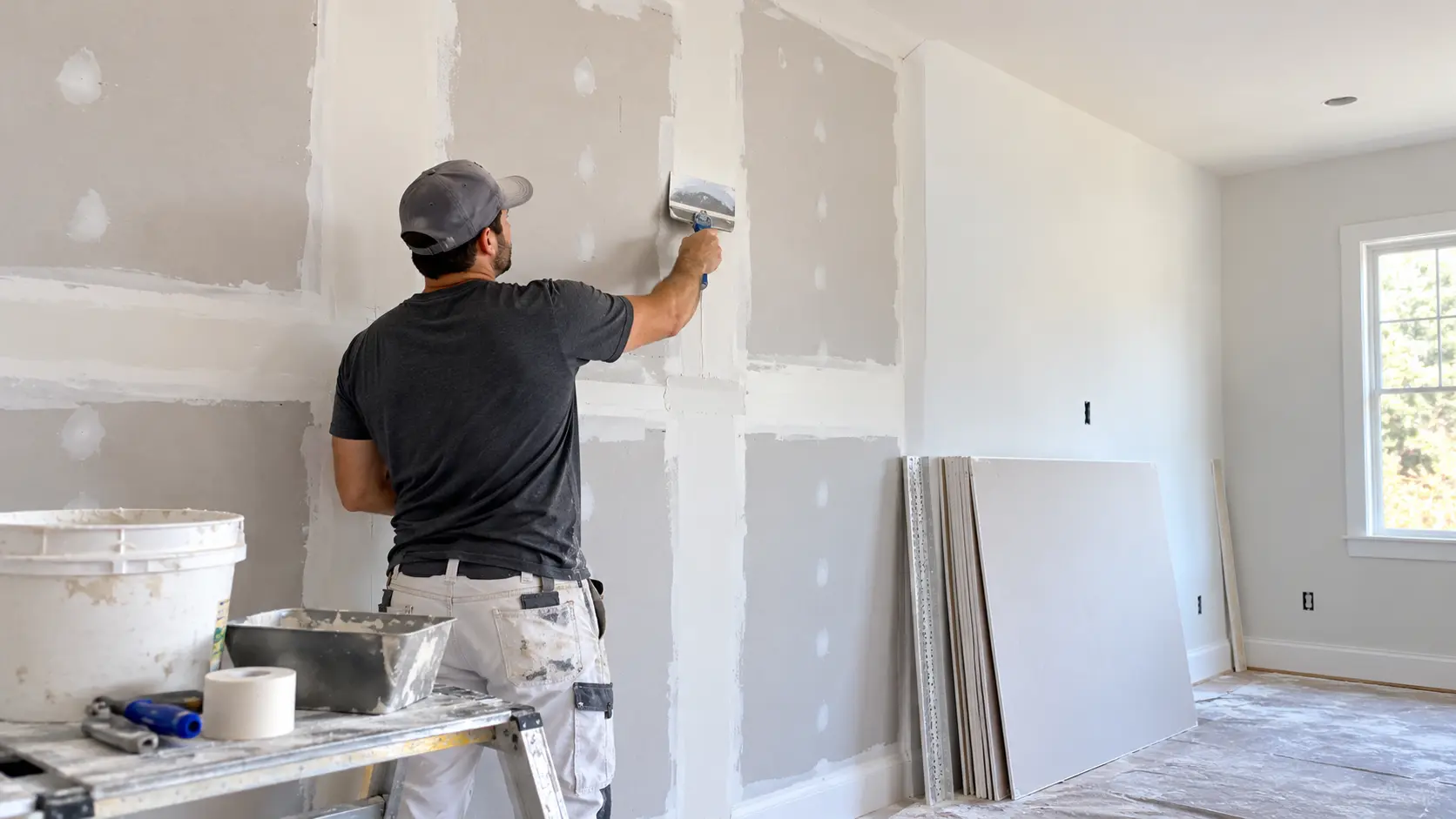
Drywall serves the purpose of creating interior surfaces while simultaneously assisting the building in the completion of walls and ceilings in an efficient manner. Installers then seal the joints and fastenings with joint tape and compound, sand, and then finish the surface with paint or another application.
Common applications include:
- Residential construction: Bedrooms, living rooms, hallways, and interior ceilings.
- Commercial buildings: Offices, shops, meeting rooms, and other interior spaces.
- Remodeling projects: New partitions, room conversions, and replacement of damaged wall sections.
- Special-purpose areas: Walls requiring specific moisture, fire, or sound-control performance when suitable products and assemblies are selected.
Typically, drywall is not intended to be a structural element. The main structural support is provided by the framing behind it.
What Are the Different Types of Drywall?
The selection of the proper drywall is dependent on the location where the drywall is being installed and the required performance of the space. Most interior spaces can be covered in standard drywall, but there are other products that provide extra features.
| Drywall type | Common use | Important consideration |
| Standard drywall | Bedrooms, living rooms, and general interiors | Suitable for many dry areas |
| Moisture-resistant drywall | Certain bathrooms, laundry areas, and other moisture-prone interiors | Not waterproof; follow the product’s approved applications |
| Mold-resistant drywall | Areas where limiting mold growth on the board surface is important | Moisture sources must still be controlled |
| Fire-resistant drywall | Selected walls and ceilings requiring fire-rated assemblies | The complete assembly must meet applicable fire-rating requirements |
| Sound-control drywall | Rooms where reducing sound transmission is a priority | Results depend on the full wall assembly, not the board alone |
The best option is not always the most specialized/exclusive board. Before choosing a material, verify the product specifications, room conditions, and applicable building codes.
Understanding Drywall Sizes and Thickness
Most drywall panels come in standard 4-foot widths, while available lengths vary by product and supplier. The correct size is determined by the size of the wall or ceiling, room layout, and access and installation needs.
Common thicknesses include:
- 1/4 inch: Used for certain curved surfaces or specialized applications.
- 3/8 inch: Sometimes used for specific repair or overlay projects where permitted.
- 1/2 inch: A common choice for many residential interior walls.
- 5/8 inch: Often selected for ceilings, improved sound control, or fire-rated assemblies when the design calls for it.
These are merely examples and not specifications. The thickness required may vary with ceiling framing, spacing, local code requirements, and manufacturer instructions.
What Are the Main Benefits of Drywall?
Despite the availability of other options, drywall has continued to be a favorite due to its affordability, speed of installation, and quality of finish. Many drywall applications, when compared to wet plaster construction, can have reduced drying time for the wall material.
Its main advantages include:
- Smooth interior finishes: Properly finished panels provide a suitable base for paint and wallpaper.
- Flexible design: Drywall works with many room layouts and decorative styles.
- Repair options: Small holes and localized damage can often be repaired without replacing an entire wall.
- Product variety: Different boards support specific moisture, fire, and sound-control needs.
- Efficient installation: Standard panel sizes help installers cover large areas with fewer individual pieces.
However, drywall is not indestructible. Cracks, dents, or other damage can occur due to heavy impacts, leaks, poor installations, or movement within the building.
What Are Drywall’s Limitations?
If left exposed to moisture, regular drywall can absorb moisture, weaken, swell, and rot. Plumbing, roof, or appliance leaks can cause damage to the board and to the interior behind the board. Persistent dampness can also contribute to mold growth when conditions allow it.
Another disadvantage is that drywall does not have as much impact resistance as other wall materials. Damaged seams and corners should be reinforced; heavy objects might need special anchors or attachment to the framing.
For homes in North Dallas, moisture control matters even when the weather outside seems dry. National Weather Service 1991–2020 climate normals report an average relative humidity at midnight of 72% for the Dallas–Fort Worth area. Outdoor humidity does not determine indoor conditions by itself, but leaks, condensation, and poor ventilation can still create problems. Fix the source of moisture before repairing affected drywall.
How Does Drywall Installation Work?
There are a number of simple steps in a typical installation. Depending on the room, panel type, framing, and desired finish, the process will vary.
- Prepare the framing: Check that wall or ceiling framing is properly aligned and ready for the panels.
- Measure and cut: Size the drywall sheets around corners, doors, windows, and utility openings.
- Fasten the panels: Secure the boards using appropriate drywall screws or other specified fasteners.
- Finish the joints: Apply joint tape and compound to seams, corners, and fastener marks.
- Sand and finish: Once the joint compound has cured, sand away imperfections before coating the drywall with primer and paint.
Inside the wall, electrical, plumbing, insulation, etc. should be done and verified at the appropriate time before the framing is covered.
How Do You Maintain and Repair Drywall?
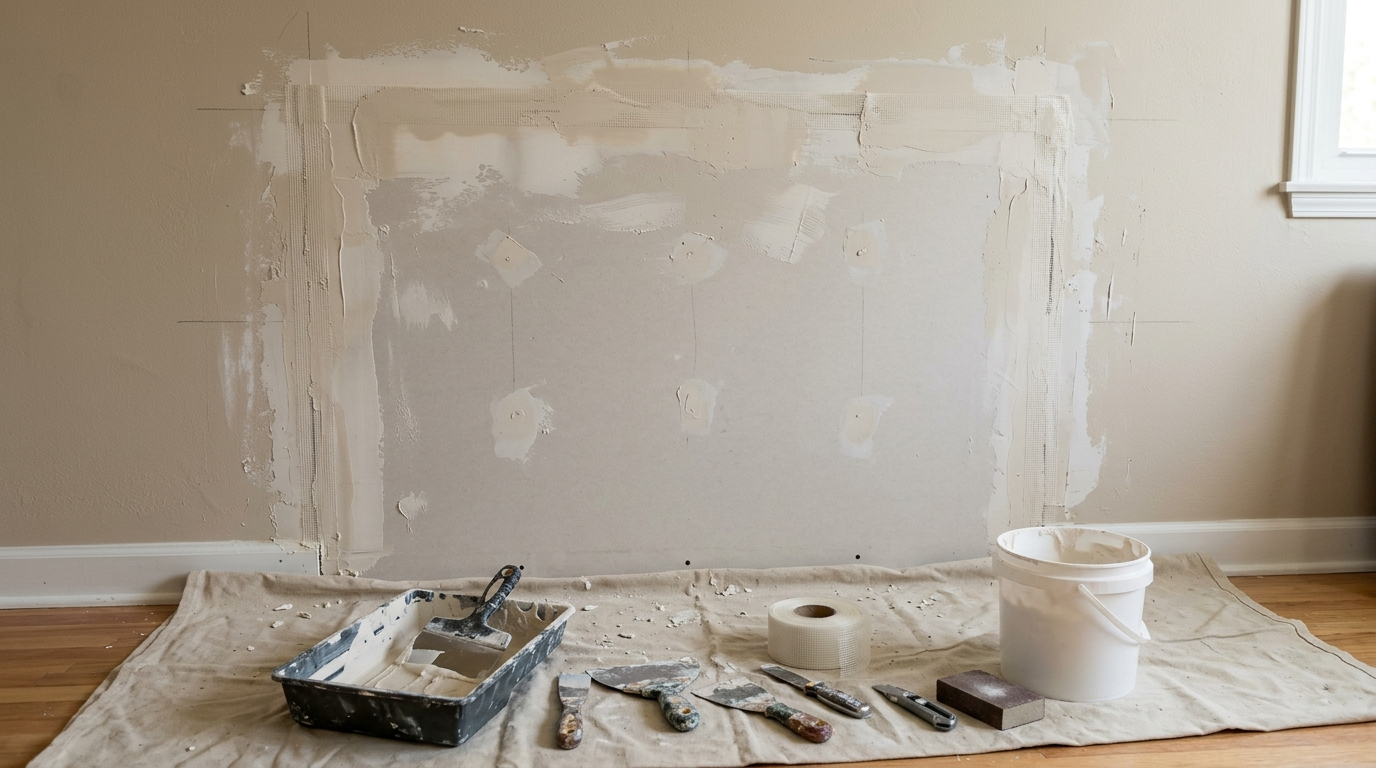
Take a good look at your walls and ceilings. Check for nail pops, tiny cracks, soft spots, peeling paint or texture, and stains. If you find small dents or holes, you usually just need some patching compound. Bigger openings call for a drywall patch, fastened to some backing, finished off with tape and joint compound.
Water damage is a different story. Fixing a stain but ignoring the leak just means you’ll be dealing with it again soon. When the board looks swollen, crumbles, or stays damp, get the cause checked out and replace any ruined material.
For larger holes, damaged seams, or uneven patches, Patch Pros of North Dallas can help homeowners understand their drywall repair options. A proper repair should blend with the surrounding surface rather than leave a noticeable outline after painting.
Frequently Asked Questions
Is drywall the same as Sheetrock?
Not exactly. Drywall is the general building material, while Sheetrock is a brand of drywall manufactured by USG. People often use the names interchangeably in everyday conversation.
Is drywall waterproof?
No. Standard drywall doesn’t handle water, and even the moisture-resistant kind only goes so far. Wet areas need a different, approved wall system.
Does drywall help prevent fires?
Gypsum contains chemically bound water that contributes to its fire-resistant properties. However, a fire rating applies to a tested assembly, which may include specific board layers, framing, insulation, and fasteners.
Can damaged drywall be repaired instead of replaced?
Yes, when the damage is limited and the surrounding material remains sound. Extensive deterioration, persistent moisture damage, or large damaged sections may require replacement.
Final Thoughts: Understanding Drywall Before Your Next Project
Drywall works for a lot of interior finish jobs, but picking the right board and installation method depends on the room, how damp it gets, and what you need from it. If you know the basics, it’s easier to plan out renovations, spot damage early, and choose the best materials.
Whether you are updating a room or repairing a damaged wall, Patch Pros of North Dallas can help you explore practical drywall repair solutions for your property.