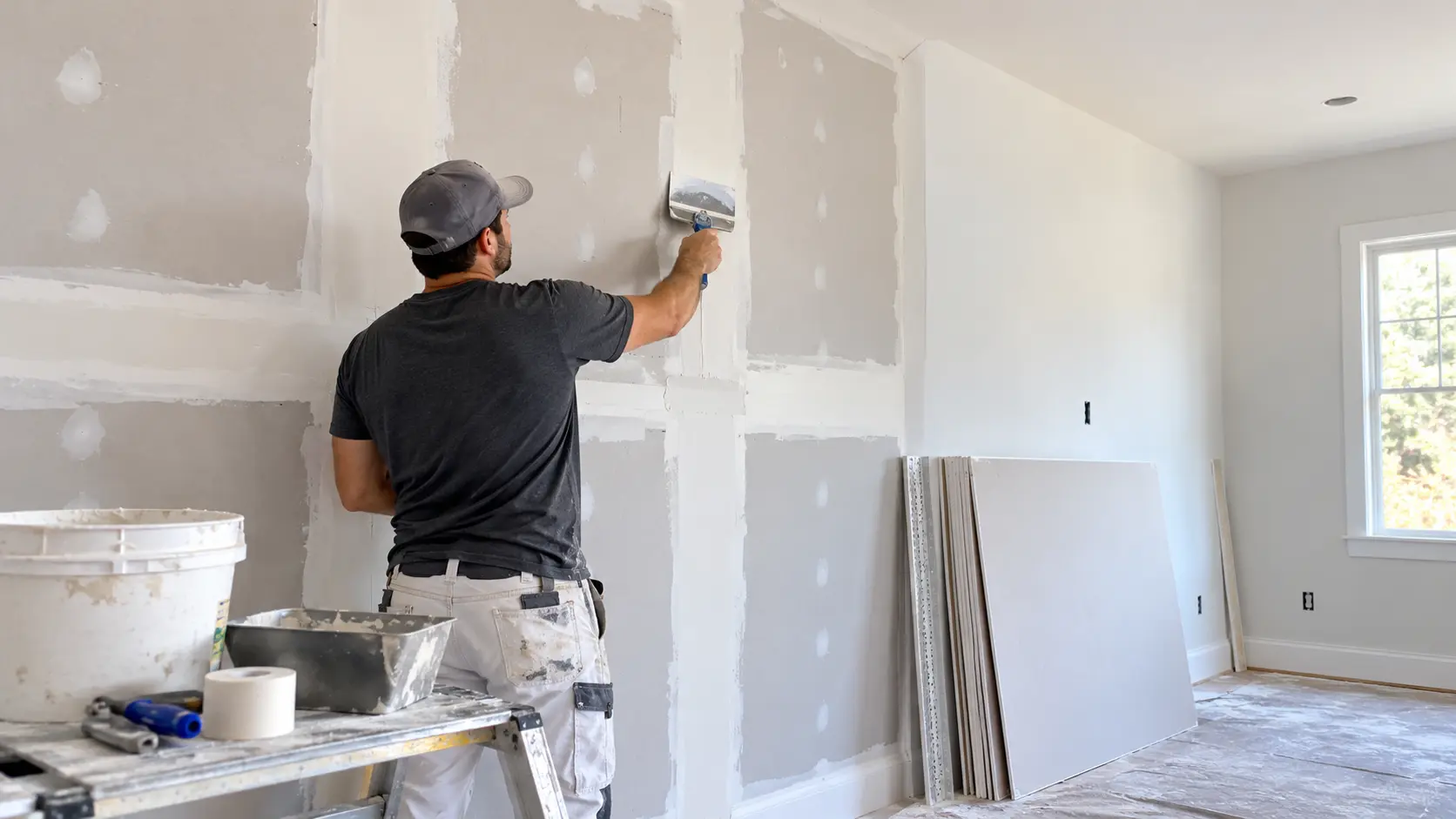
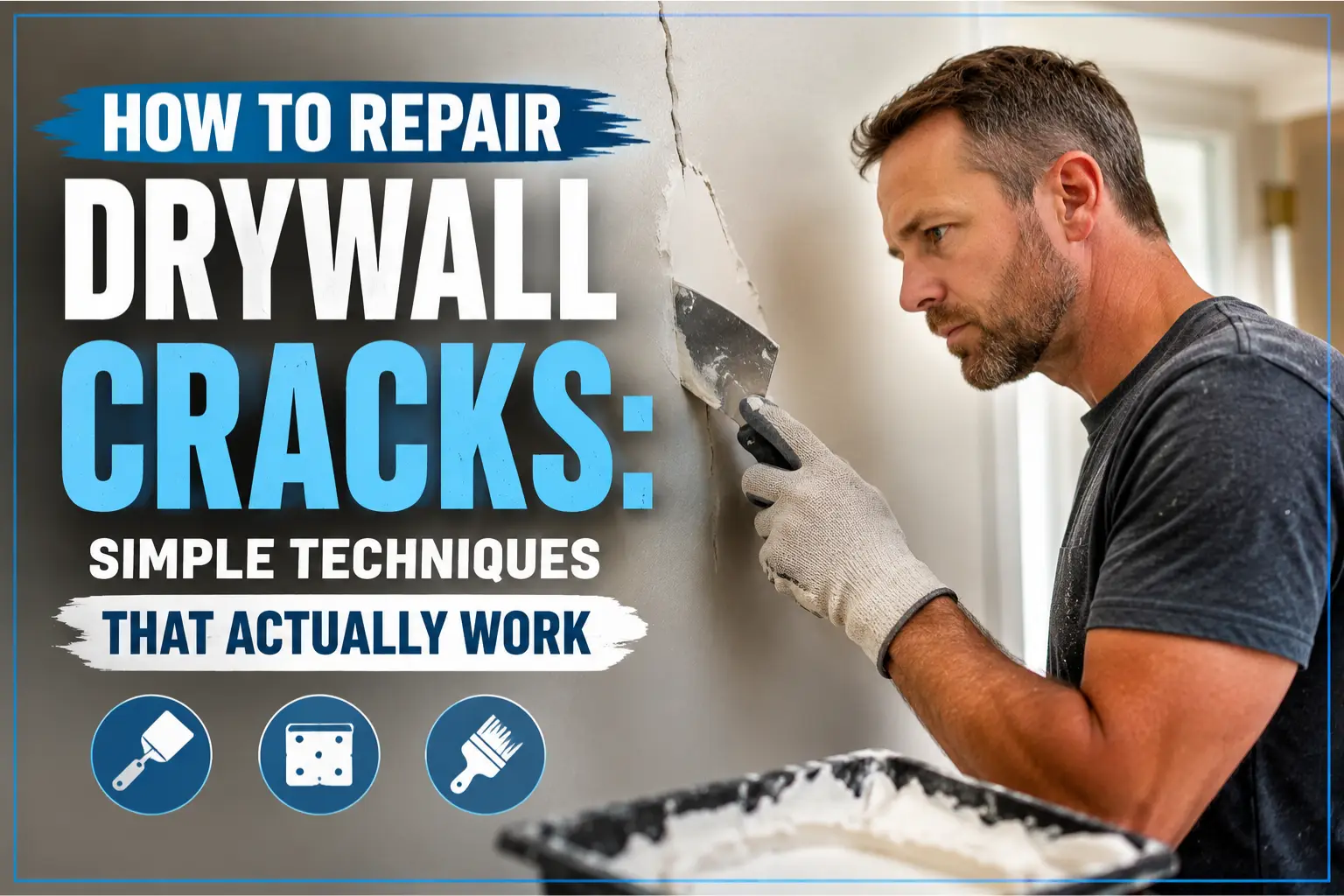
You spot a thin line running down your living room wall. It starts small but grows each season. Drywall cracks appear in almost every home at some point. They steal the clean look you worked hard to create and make the whole room feel off.
Many homeowners try a quick swipe of paint or filler. The crack returns weeks later. You do not need to live with it or pay high drywall repair costs for a simple fix. With the right steps, you can handle most cracks yourself and get smooth walls again.
Why Drywall Cracks Happen
Homes settle as time passes. Minor changes in the foundation or wood framing cause stress. Temperature and humidity fluctuations cause materials to expand and contract. This can be seen as hairline cracks, particularly close to windows, doors or ceilings. New homes are more susceptible to cracking during the initial couple of years. The quality of the tapes or the traffic in areas with high volumes can also play a part. Knowing the root causes helps to determine the best repair to prevent the issue from returning quickly.
Gather Your Tools and Materials First
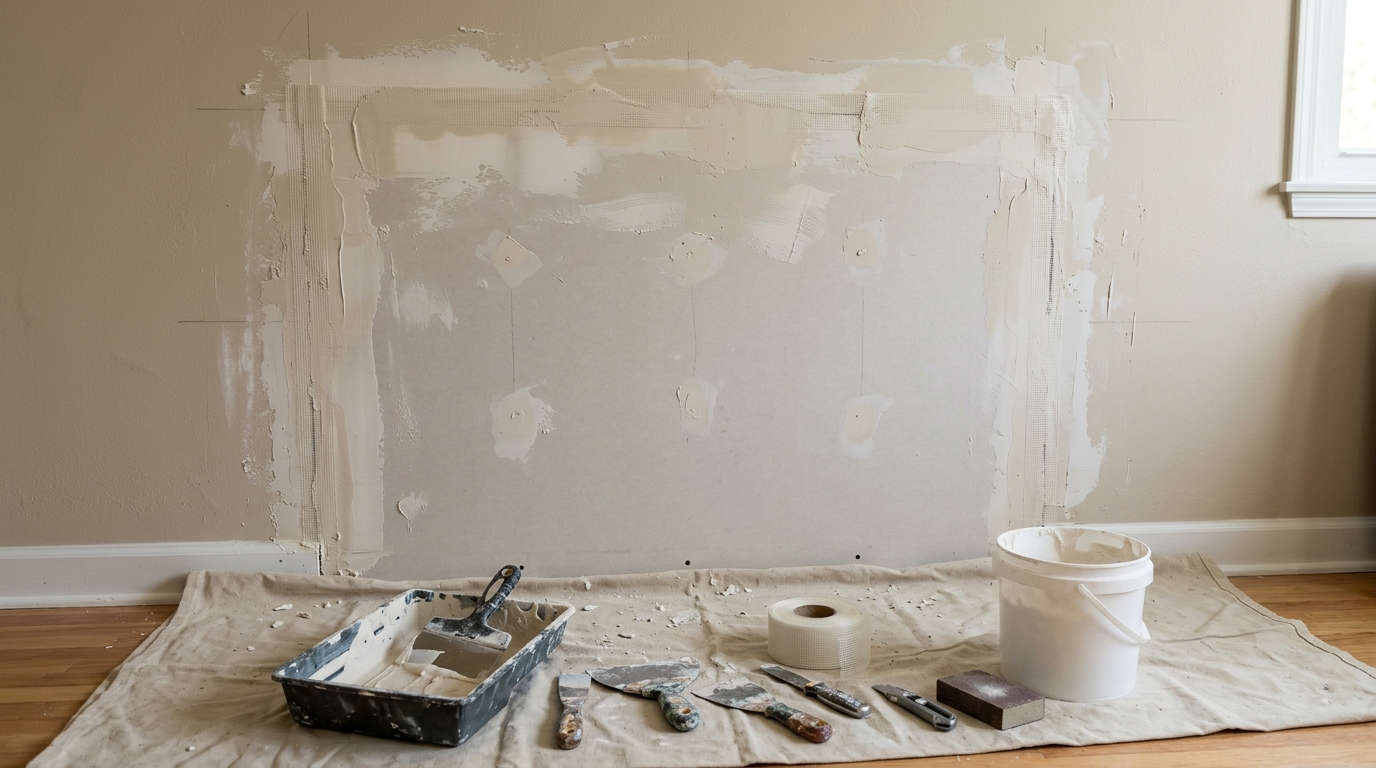
Begin with the basics to ensure you do not have to go back in mid-project to the shop. You will need the utility knife, the putty knife and sanding block, or sponge as well as wet cloth. Take joint compound, mesh tape, spackling paste and primer, as well as paint to final. A drop cloth will protect your floors. Put on a mask of dust while you rub sand. They’re inexpensive and are suitable for repairs to drywall cracks within your home.
Step 1: Prepare the Crack Area
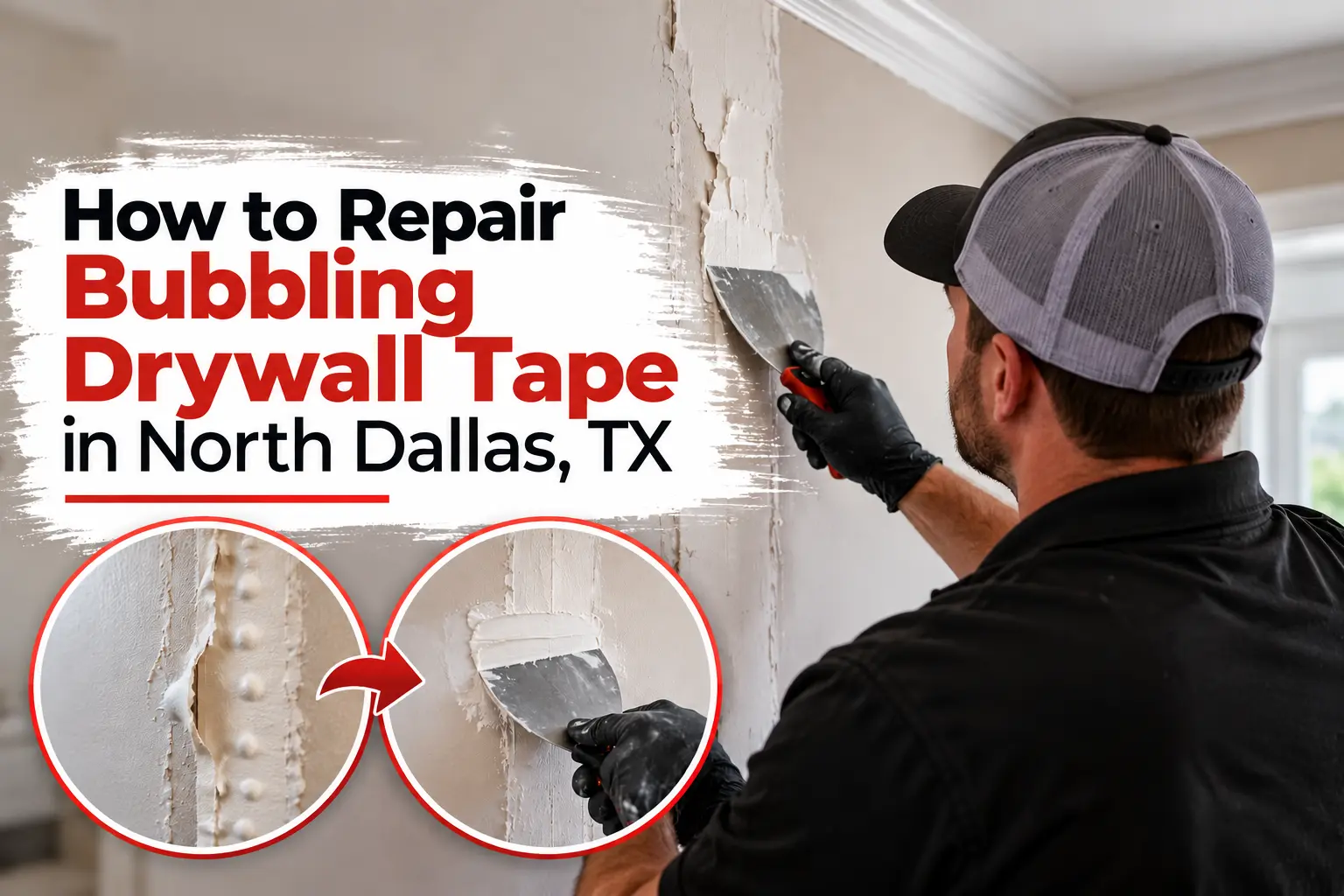
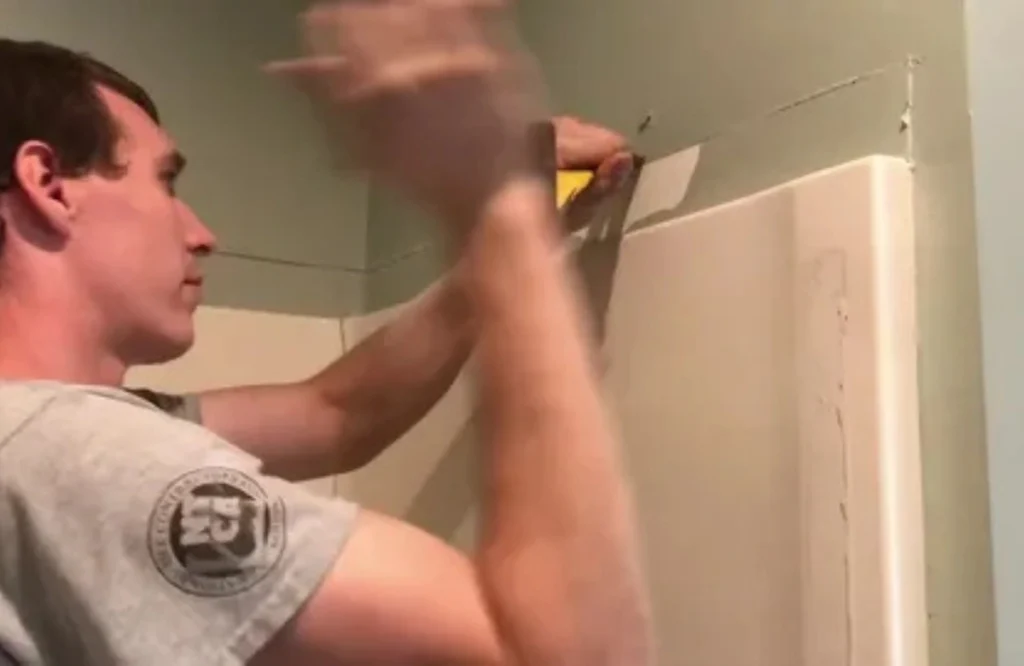
Clean the area between the cracks. Remove furniture and lay it on the floor. Make use of your tool to open the crack a little bit to form a V-shape. This provides the filler with something solid to grasp. Vacuum or brush away all dust and loose particles. Cleanse the area with an abrasive cloth and allow the area to dry completely. A well-planned repair will last a lot longer. Inadvertently omitting this step can cause cracks to appear within a short time after completion.
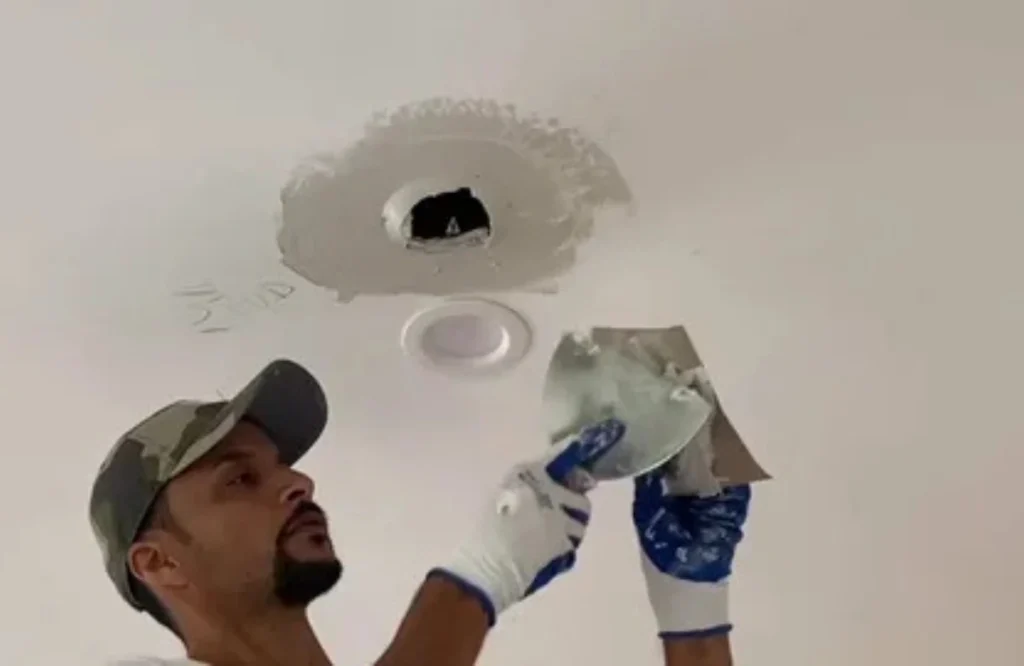
Fixing Hairline Cracks
Small hairline cracks require simple treatment. Apply a thin layer spackling paste directly to the crack using your putty knife. Make sure to press it down to ensure there are no air pockets. Make sure the surface is to be level by rubbing it against the wall. Dry in accordance with the instructions on the packaging. Most spacklings dry within 15-30 minutes. The patch should be sanded until it is smooth. Make sure to clean off dust before you paint and prime. This technique is great for minor damages. In less than an hour, the wall appears fresh and new.
How to Repair Wider or Recurring Drywall Cracks
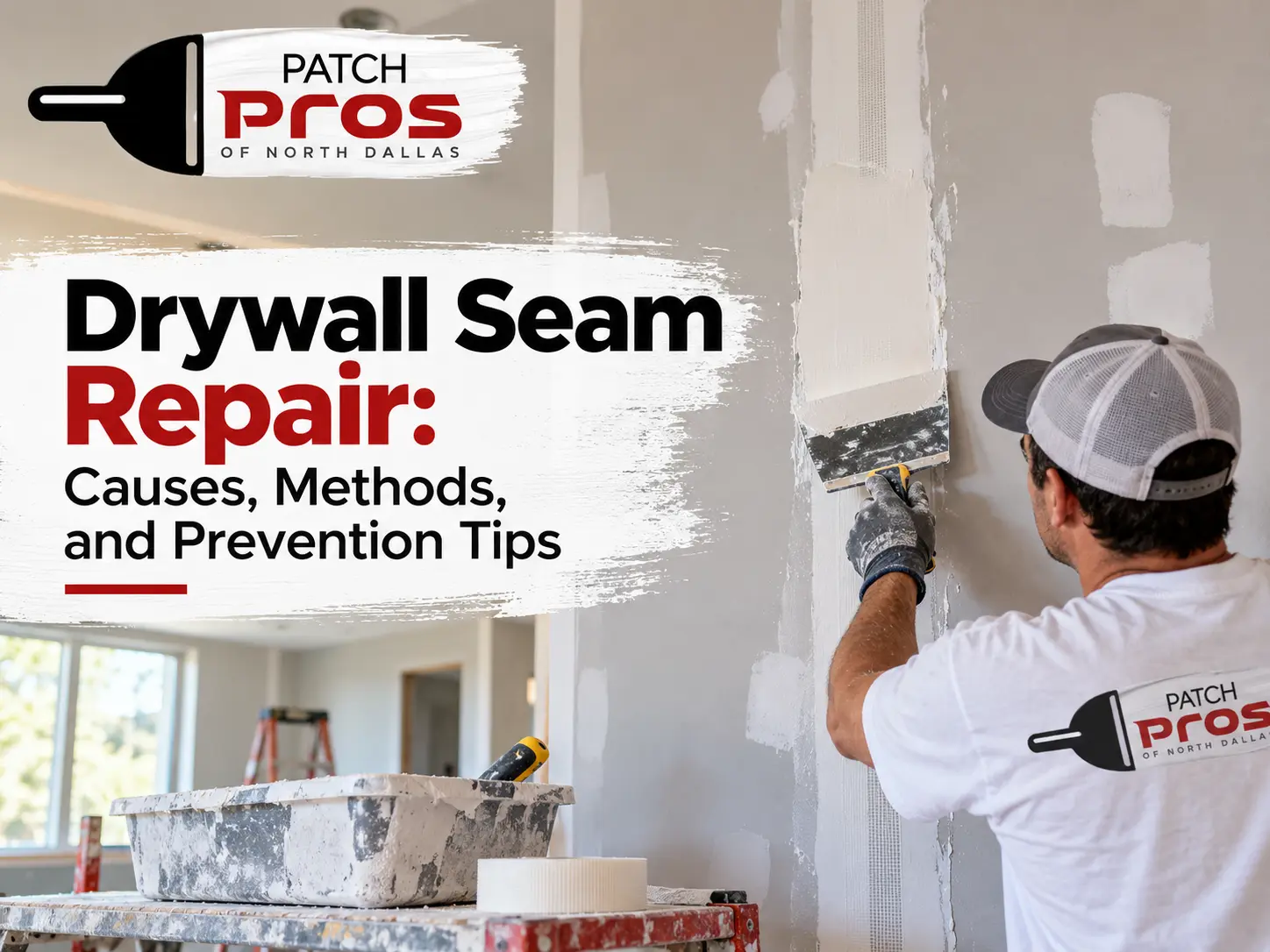
Wider cracks need extra strength. After cleaning and widening the crack, you can put self-adhesive mesh tape to every inch of the length. The tape closes the gap, preventing any movement that could result in reopening the line. Apply a coating of joint compound on the tape. Utilize a 4- to 6-inch knife to make the edges until they blend in with the wall. Allow this coat to dry completely. A majority of people stay up for up to a few hours or even overnight. You can apply a second thin coat when the first is hard. Smooth between coats for the most efficient results. Thin layers outperform one thick coat time and time again because they are less prone to shrink and appear flatter.
Resolving Cracks within Corners as well as Ceilings
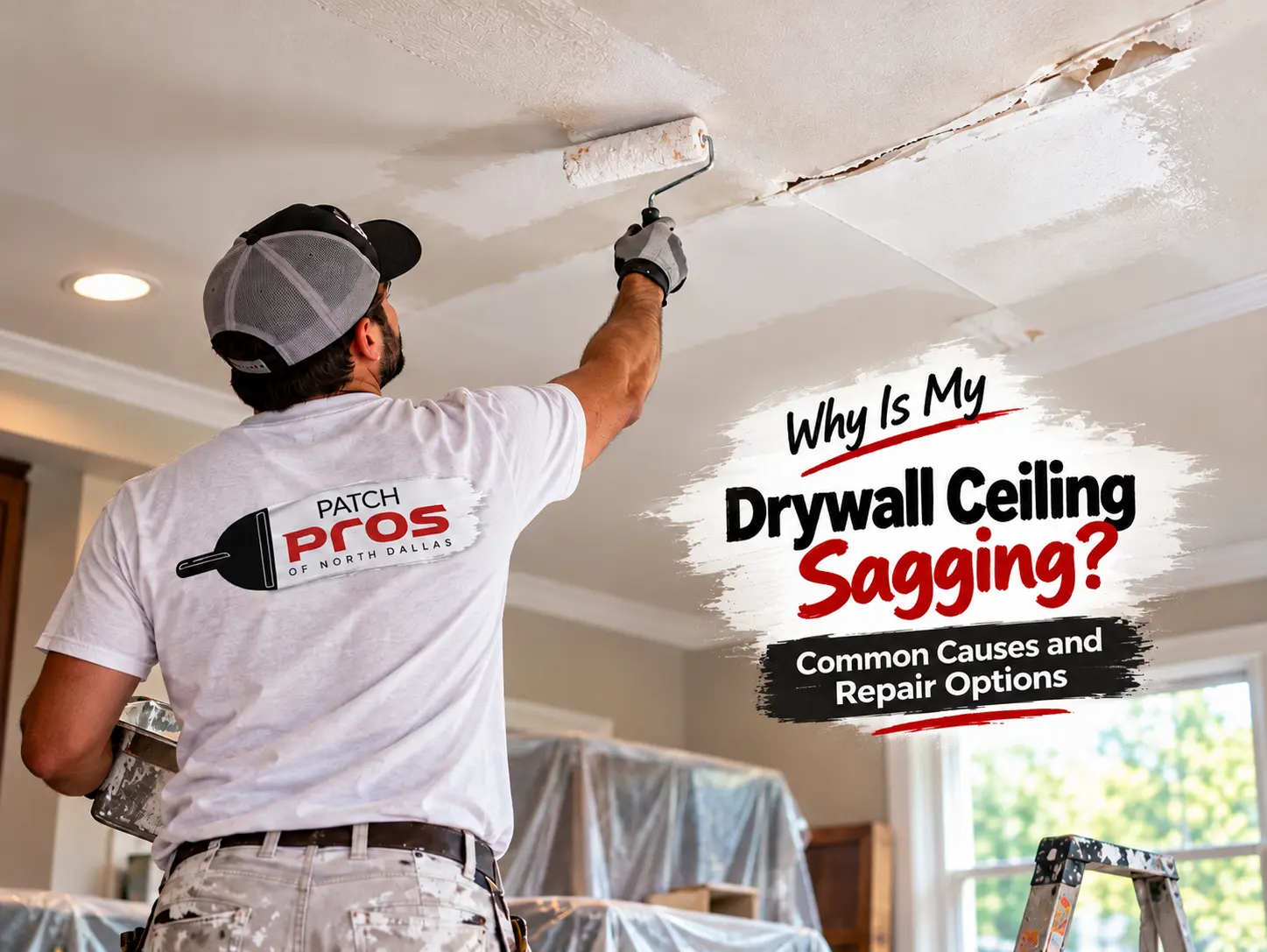
Corner cracks need special care. Choose paper tape over mesh for corners inside because it folds neatly. Apply joint compound to both sides of the corner first. Ceiling cracks usually indicate that the joists above are moving. Screws for drywall are inserted into the joists or studs across both the sides prior to you applying the tape. This makes the drywall more secure and prevents any future movement. Be patient when it comes to ceilings. Make small portions so that the mixture doesn’t sag when it is drying.
Sanding and Matching Wall Texture
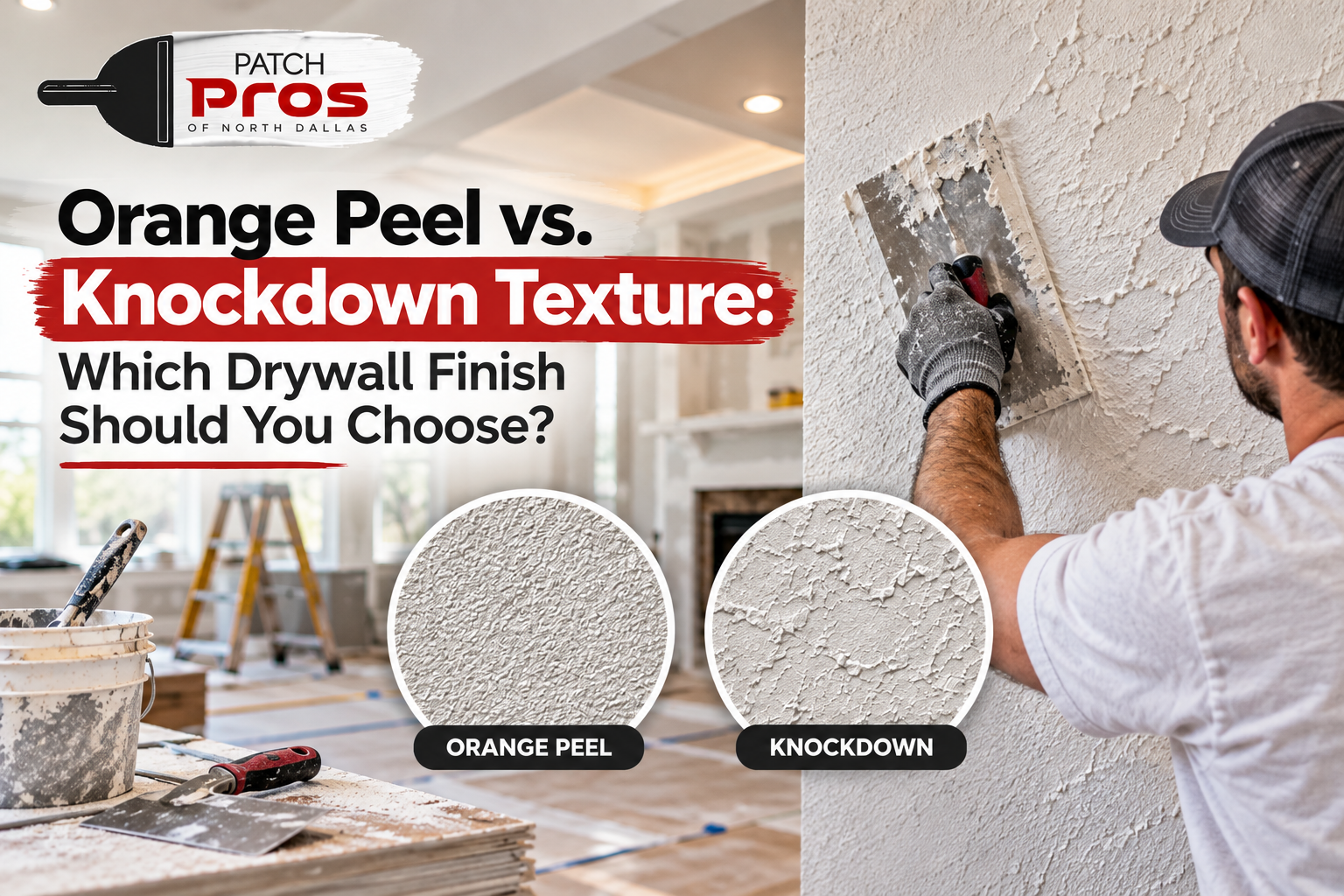
Sanding transforms a great repair into an excellent one. Use sandpaper that is 120-grit or finer. Make gentle circular sanding and examine your work using an illuminated light that is with an angle. The patch is expected to be gone completely. The texture of the walls must be consistent for a seamless design. Make a practice piece of drywall to begin. For knockdown or orange peel texture, you can use a texture spray after the last coat of the compound has dried. When the texture is in line, apply primer. Primer will help the new paint blend seamlessly with the color of the old one. Paint coats typically complete the task.
When to Call Professionals for Drywall Repair
Certain cracks will come back regardless of what you do. Cracks that are large, cracks close to doors that move or show signs of water damage suggest deeper problems. Framing or foundation movement issues require expert attention. Patch Pros of North Dallas offers everything from simple patchwork to complete drywall repair. They match texture flawlessly and make walls stronger than they were prior to. If you’re not able to do it yourself or the task appears too big, hiring a professional will aid in saving time and money in the long run.
Tips to Prevent Future Cracks
Keep indoor humidity at a level between 30 and 50 %. The proper ventilation is important, particularly in kitchens and bathrooms. Repair leaks as soon as they occur so that moisture does not weaken drywall. In new homes, allow for the first settling time before making cosmetic changes. Make use of flexible caulk for corners that move frequently. These little habits can reduce the frequency you have to fix the drywall.
Drywall Repair Cost: DIY vs Professional
Making it yourself helps keep costs to a minimum. Materials for just one or two cracks typically cost less than fifty dollars. You use time to spend instead of spending money. Professional services for repairing drywall cost more upfront, but provide faster and more efficient results, backed by warranties. The cost varies based on the scope of the project and the place of work. In the McKinney area, contacting experts is often a good idea for high-visibility or multiple cracks rooms. You’ll avoid the mess and you get walls that are clean for many decades.
Strong Finish for Lasting Results
Take your time with each coat and sand between steps. Rushing leads to visible patches or cracks that return. Patience gives you walls that look like new.
Many homeowners feel proud after they finish their first successful repair. The skills you learn apply to future small fixes around the house.
Ready to Fix Your Walls for Good?
Stop staring at those annoying cracks. Grab your tools and follow these steps for clean, professional-looking results. If the job feels overwhelming or you want guaranteed perfection, the team at Patch Pros of North Dallas stands ready to help.
They offer reliable drywall repair, drywall patchwork, and full installation services for homes and businesses in McKinney and North Dallas. Contact them today for a fast quote and get your walls looking smooth again.
FAQs
How long does drywall crack repair take?
Small cracks take a few hours spread over a day. Larger repairs with multiple coats need 24 to 48 hours because of drying time. Plan extra time for sanding and painting.
Can I just paint over a drywall crack?
Painting alone hides the crack for a short time. The crack usually reappears as the paint stretches. Proper cleaning, filling, and taping give results that last.
What is the best filler for drywall cracks?
Lightweight spackling works great for tiny cracks. Joint compound with mesh tape handles wider or moving cracks better. Both sand smoothly and accept paint well.
Will my repaired drywall crack again?
It can if the underlying movement continues. Good technique plus addressing big issues like settling reduces the chance. Professionals often create stronger repairs.
How much does professional drywall repair cost?
Cost depends on the damage size and number of areas. Simple patches stay affordable. Larger jobs or full rooms vary. Get a local quote from Patch Pros of North Dallas for accurate pricing in your area.