
Do you have the vision of sleek and smooth walls to decorate your home? However, are you confused thinking what is drywall installation, and can you install it yourself? Don’t worry, you’re NOT alone! One of the most essential steps that you have to undertake in your space transformation, be it remodeling or a brand new residence, is drywall installation. The knowledge of how drywall installation works and the finer and coarser details of the process can save and earn you the money and the professional appearance that you want. This drywall wall installation guide is ideal for a novice because it will be broken down into individual steps, beginning with the selection odryf materials to use, up to achieving that smooth, seamless finish to ensure the person involved can comfortably approach his or her project or effectively communicate with contractors.
What Is Drywall Installation?
Definition and Purpose of Drywall
Drywall (also called gypsum board or plasterboard) is a type of construction material applied to interior walls and ceilings to construct them fast and effectively. Drywall is basically made of a gypsum center situated in between, which is surrounded by thick paper. In the process of drywall installation, these panels are fixed on wall frames to create the completed walls of rooms.
Drywall is meant to give the interior a smooth and durable surface, which can be easily painted or wallpapered. Properly installed, the drywall has the benefits of acting as an insulative barrier, concealing wiring and pipes and adding to the overall aesthetic of a home and its comfort.
Why Drywall Is Used in Modern Construction
Contemporary constructors prefer using drywall due to its expediency, cheapness, and versatility. It has a great accelerating effect on the construction as opposed to the lath and plaster construction. Drywall is also great for soundproofing; it is also fireproof (particularly fire-rated varieties), and can be easily repurposed and modified during renovations.
Common Types of Drywall
- Standard drywall: Used universally in interior walls, this is the most common type.
- Moisture-resistant drywall: Often called green board, ideal for bathrooms, kitchens, or damp areas.
- Fire-rated drywall: Also known as type X, designed specifically to resist fire, used in garages, utility rooms, and areas where fire protection is necessary.
How Drywall Installation Works
Overview of Wall Preparation
The framing (studs or blocks) that is already present should be prepared before the installation of drywall begins. This includes making sure that the frame is straight, straight, and that there is no rubbish on it. Any wiring or plumbing outlets must be fixed appropriately because drywall will be applied to these parts.
How Drywall Sheets Are Measured, Cut, and Mounted
Drywall sheets are large, covering about 4x 8 feet; hence, they are effective in covering large areas. You can install it by measuring the wall size and cutting the pieces of the drywall accordingly with the help of a utility knife and T-square, and nailing them to the wall frame with screws or nails. Adequate spacing, matching of seams, and fastening are very important for a professional appearance.
The Importance of Seams, Screws, and Joint Compounds
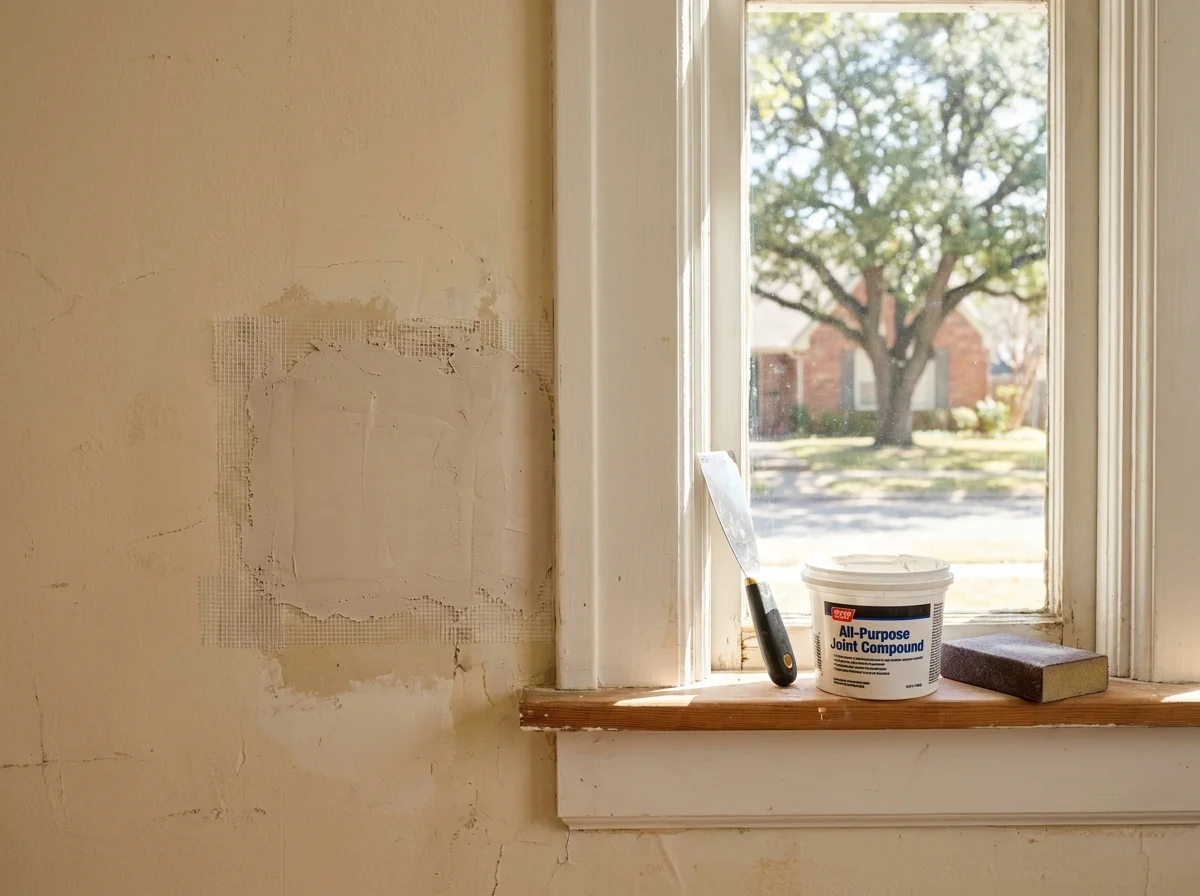
At the intersection of drywall panels, there are the seams. Such joints must be taped and have joint compound (also known as mud) to make them smooth. The drywall would be secured by screws or nails, which when fitted properly, would ensure that the panels are in place and will not crack in the future. The composite smear compound is used to fill holes, seal fasteners and to provide a smooth surface to be finished.
Drywall Installation Process Step by Step
Preparing the Wall Frame
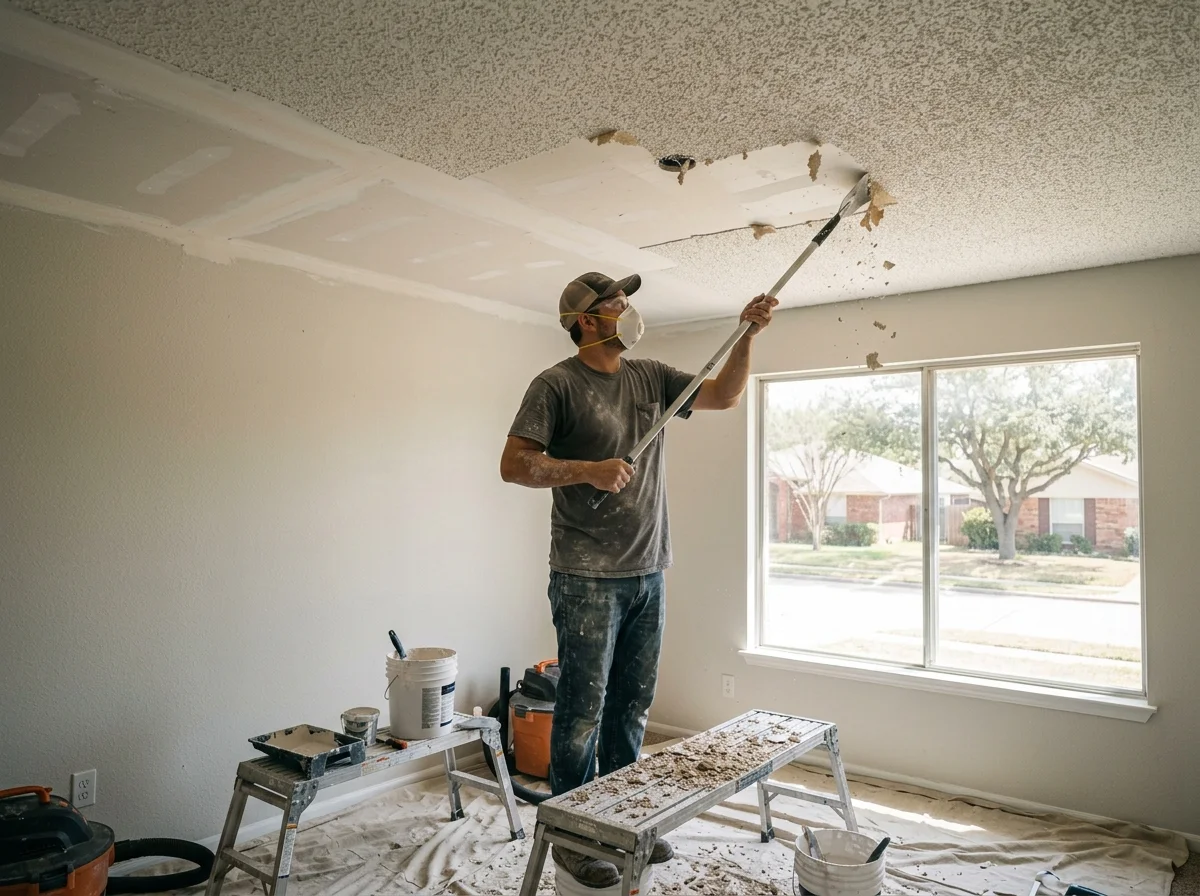
Start by checking your wall studs for the presence of any damage and irregularities. Make them evenly spaced, in general 16 or 24 inches apart and firmly fixed to the floor and head. Eliminate old, drywall, as necessary and remove dust or debris in order to allow good adhesion.
Measuring and Cutting Drywall Sheets
Measure your wall size with the help of a tape measure and a T-square and mark your drywall panel. Use a utility knife to cut the drywall basing a score along the marks, then snap the panel to make a clean cut. It is important to remember outlets, switches or any protrusions.
Hanging Drywall Sheets Securely
Lift the drywall panel into position against the wall studs. Secure it with drywall screws or nails spaced approximately 16 inches apart. For ceilings, use ladders or scaffolding for safety and ease. Ensure fasteners are slightly countersunk so they sit flush with or just below the surface.
Applying Joint Tape and Compound
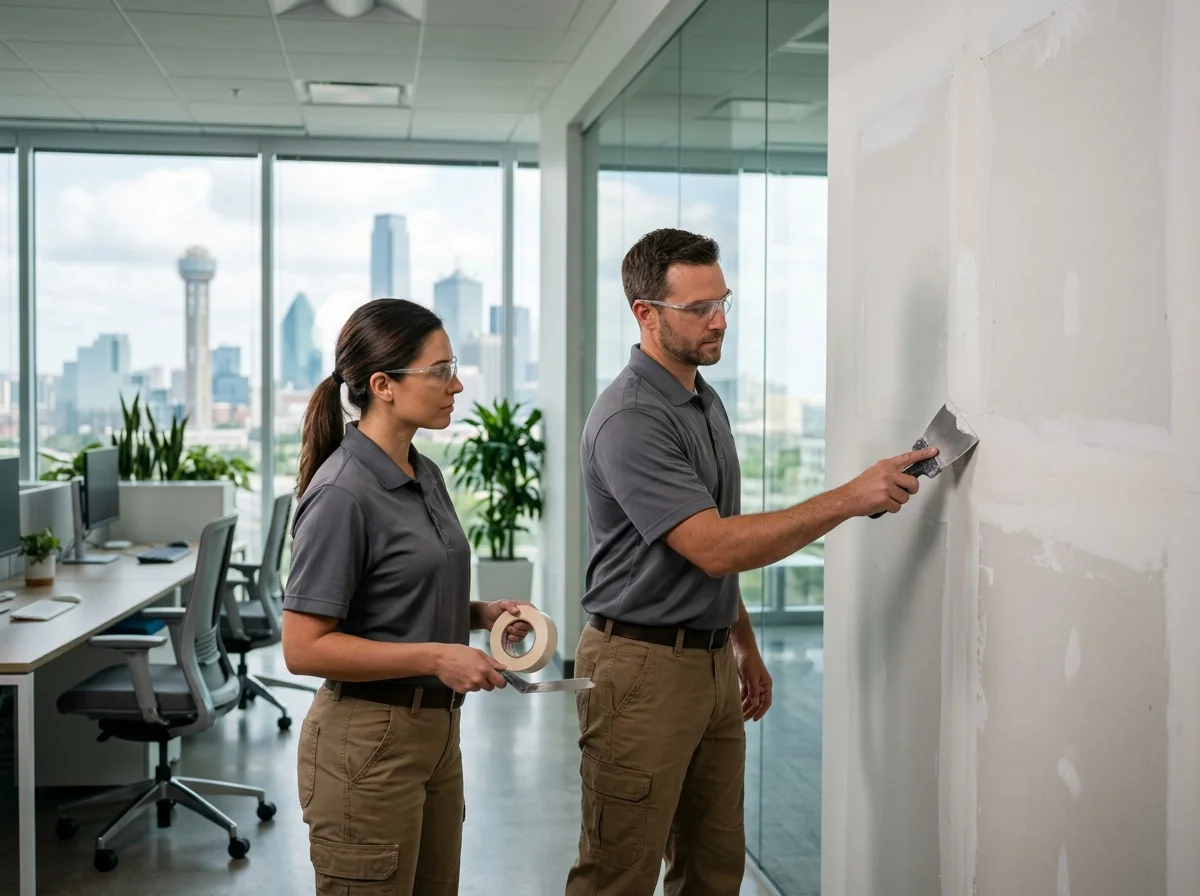
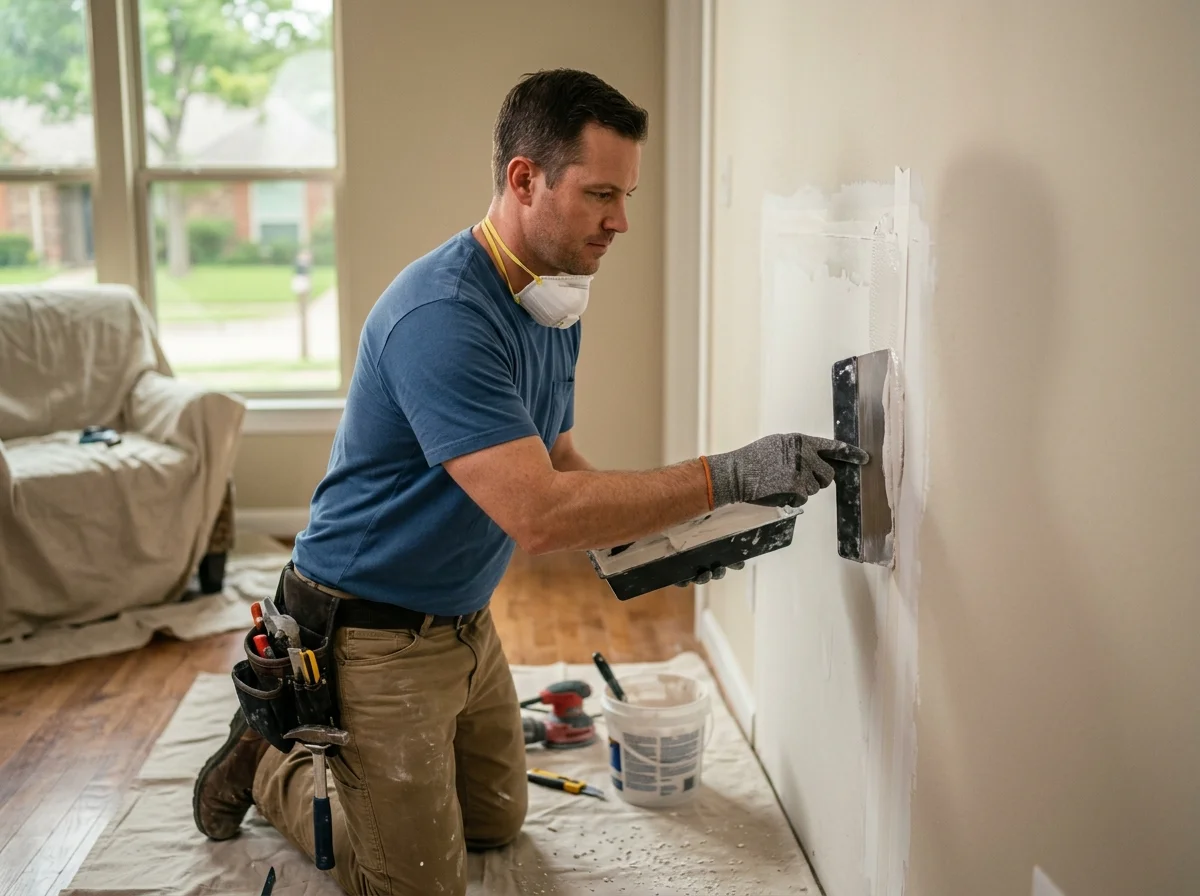
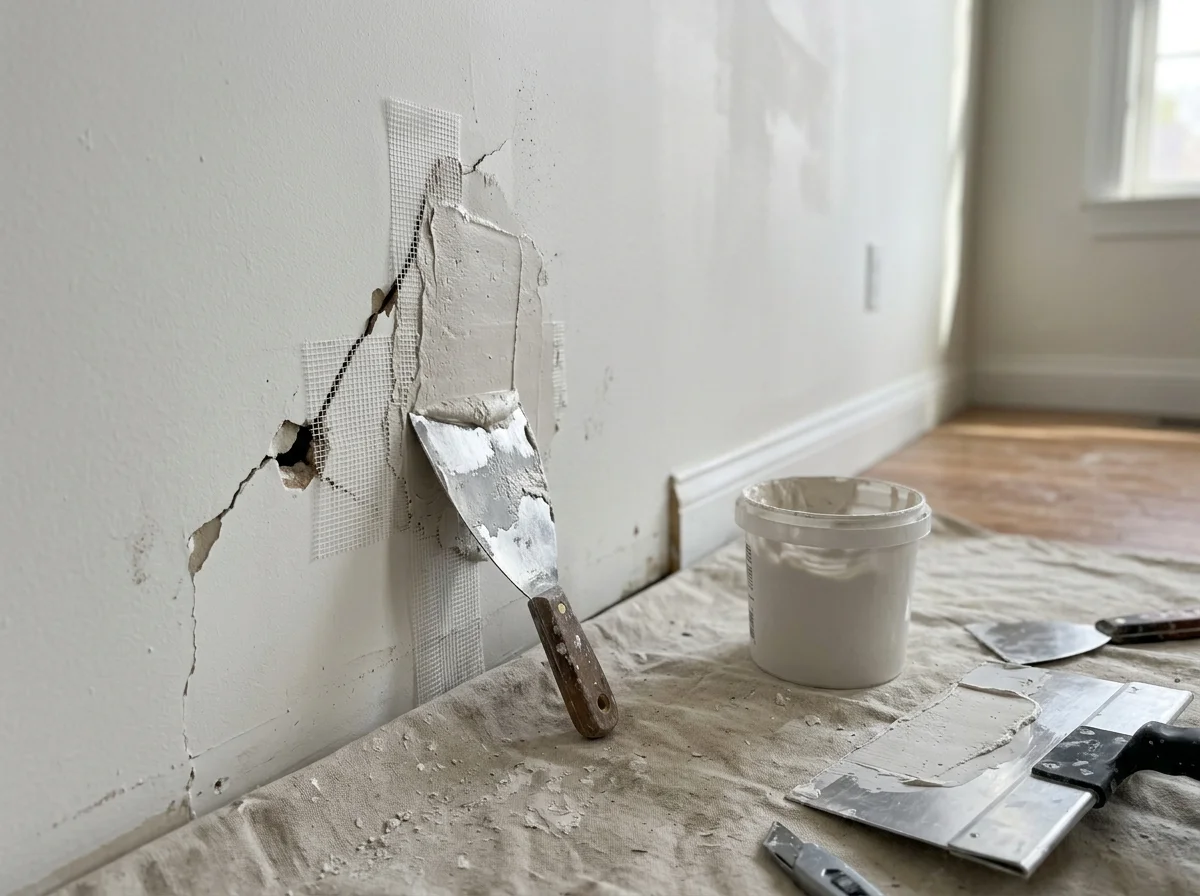
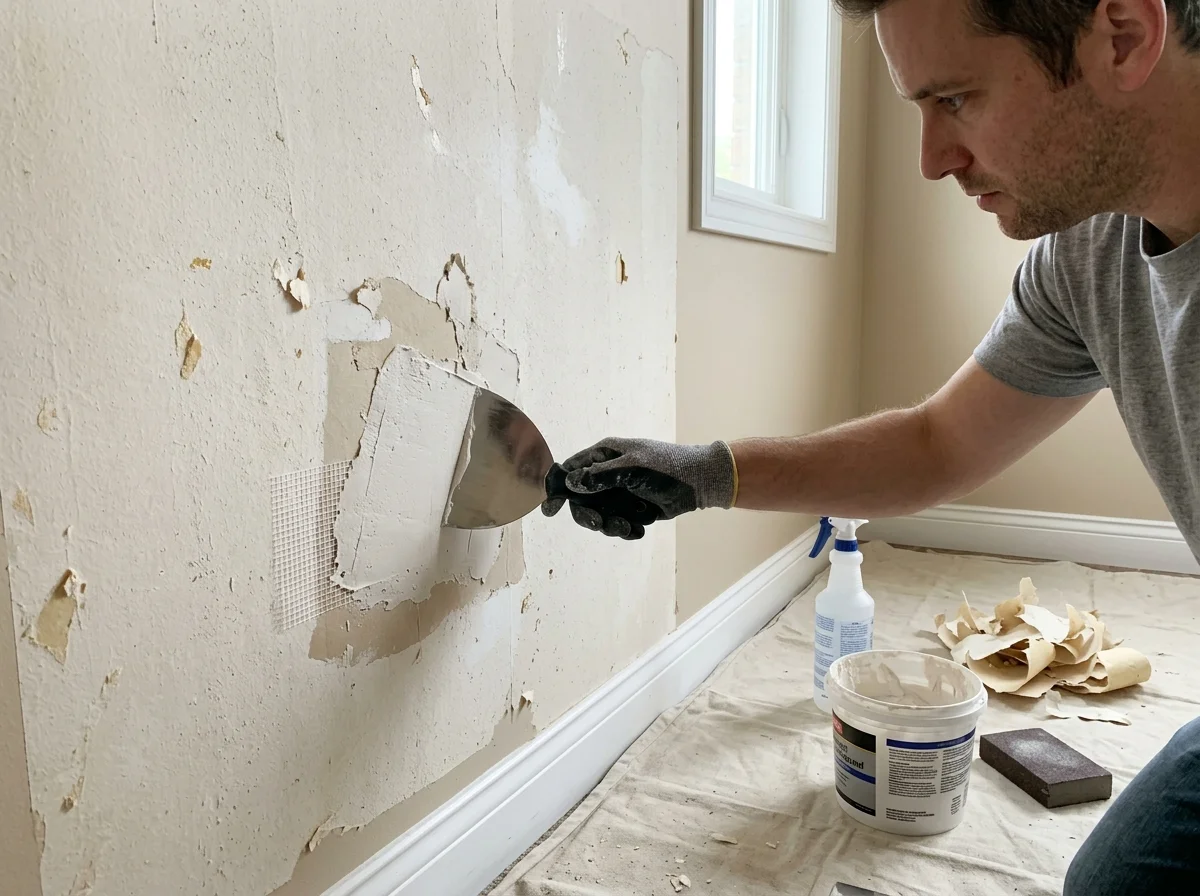
Seal the cracks of the sheets of drywall using drywall tape, either paper or fiberglass. Over the tape, place a layer of joint compound and smooth using a drywall knife. This happens to make the seams mingle and avoid cracking.
Sanding and Smoothing the Surface
After the joint compound has dried (it could take several hours or days), lightly sand using a sanding block or using a drywall sander until smooth. Be careful not to oversand and this may destroy the drywall or form blisters.
Priming and Painting for the Final Finish
After sanding, wipe down the walls to remove dust. Apply a primer to seal the surface and then proceed with your paint or wallpaper. The surface should now be smooth and ready for decorating.
Drywall Installation Materials List
- Drywall panels
- Screws, nails, or adhesive
- Joint cover and joint dressing.
- Utility knife, T-square, drywall saw.
- Tools (block, pole sander, or orbital sander). Sanding tools.
- Primer and paint
- Measuring tape and level
- Safety goggles anda dust mask

Drywall Installation Tips and Tricks
How to Install Drywall Easily with Fewer Tools
Big panels should be lifted or helped with drywall. Cut score and snap drywall sheets because quick cuts are easy and it is easy to over-cut. Make sure to place your screws in place and have a cordless drill so that it can be effective.
Mistakes Beginners Often Make (and How to Avoid Them)
- Over-screwing or under-screwing: An excessive number of fasteners leads to the breakage of the drywall; a lack of them leads to loose panels.
- Poor fit of seams: This is a matter of making accurate measurements to avoid dissimilar joints.
- Skipping sanding: This leaves bumps and bumps to be seen once the painting has been done.
- Failure to leave a primer before painting: Skips may cause irregularity in the uptake of paint.
Pro Finishing Tips for Seamless Joints
Use joint compound in place of thin layers. Breadth the sides and sand the layers. External corners Use corner beads on sharp edges.
Installation Safety Measures
Use masks and goggles to keep off dust. Work in places that are well ventilated and apply good scaffolding or ladders.
Simple Drywall Installation Process for Beginners
Quick Overview for DIY Homeowners
Begin with the wall framing preparation, measure, and cut the drywall sheets and attach them. Tape and compound cover, sand smooth, and paint primer and paint over.
Best Practices for Small Room Projects
Minimal cutting can be achieved by using smaller panels and emphasis should be made on safety and precision. Slow down sanding, time gives finishes a higher grade.
When to Call Professional Drywall Installation Services
In case your project is complex in terms of its textures, ceilings, or space, or you are not sure, then contracting a professional is a sure way of getting your project done perfectly.
Common Drywall Installation Mistakes to Avoid
- More or less over or underscrewing, resulting in cracks or loose panels.
- Since the seam is not very well aligned, joints are visible.
- Omission of sanding and hence finishing with a rough surface.
- Leaving out priming prior to the painting affects the quality of the finish.
Cost and Value Affordable Drywall Installation for Homes
Average Cost per Square Foot
Drywall construction costs $1.50 and $3.50 on average per square foot and this includes materials and labor.
Factors That Affect Pricing
- Project size and complexity
- Type of drywall chosen
- Local labor rates
- Additional finishing (texturing, special finishes, etc.)
- Structural modifications
How to Find Affordable Professional Services
Get several quotes, reviews of checks and warranties. Local contractors or handymen are sometimes better with lower prices and do not compromise.
DIY vs. Professional Drywall Installation Comparison
DIY is cost-effective and takes time and patience. Errors can result in extra expenses of correcting flaws. Experts are fast, quality and reliable, particularly in large or complex work.
Conclusion
Drywall installation may sound to be as simple as pie, though, given the proper attitude, a sense of patience and an easy-to-follow step-by-step procedure any person can turn crass framing into smooth and polished walls. Whether you are an amateur and are doing your first project or need some affordable drywall installation services, it all depends on the knowledge of how drywall installation works thing resulting in long-lasting beautiful interiors.
Walls to be made a little more perfect? Available at Visit Patch Pros of North Dallas to offer you the services of drywall installation and finishing of your properties.
FAQ’s
Q: What is drywall installation?
A: It refers to framing wall panels with drywall to provide interior smooth surfaces.
Q: How drywall installation works?
A: This is done by measuring, cutting, mounting the panels, sealing off the seams and finishing with the application of joint compound and sanding.
Q: What is the drywall installation process step by step?
A: Wall frames Preparation of wall frames, measurement and cutting of panels, mounting and taping and mudding, sanding and finishing with the use of primer and paint.
Q: Is drywall installation suitable for beginners?
A: Yes! The step-by-step instructions and do it at your own pace and you will get professional results.