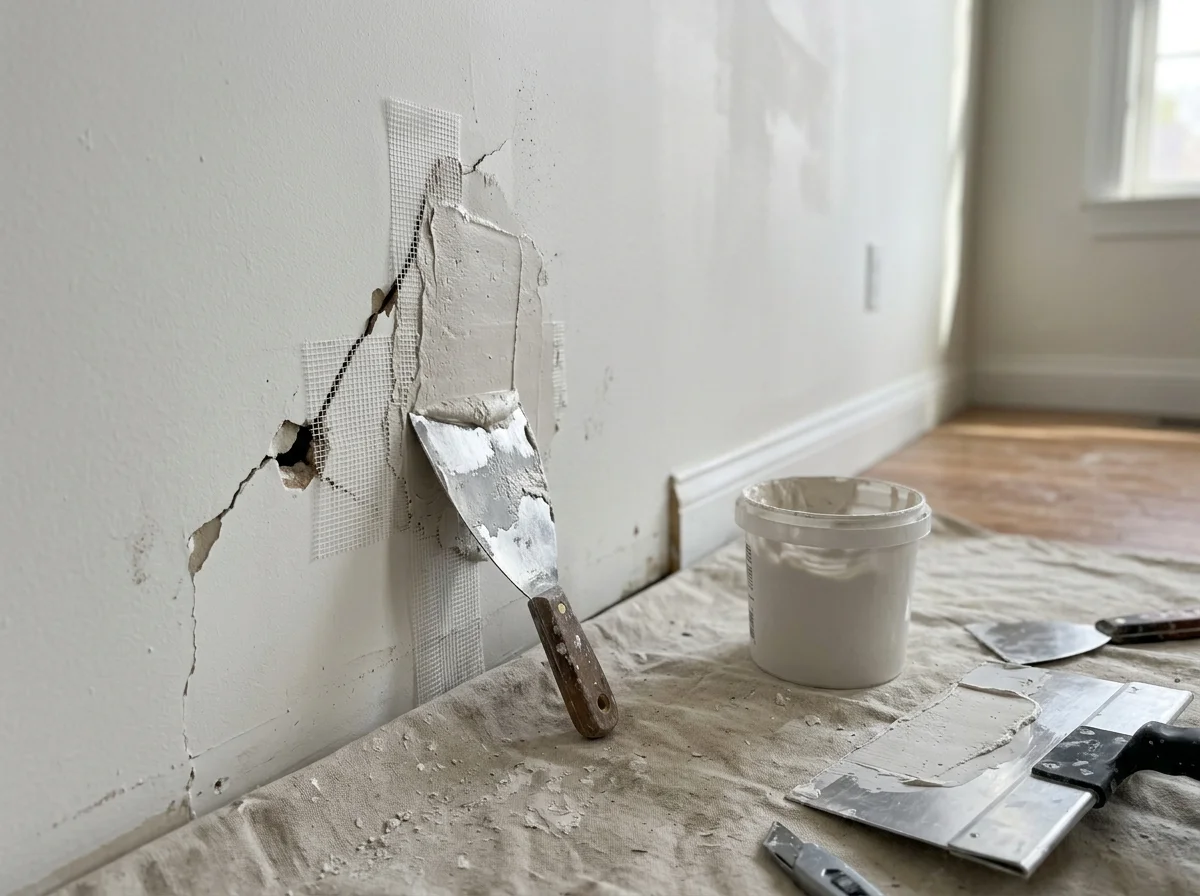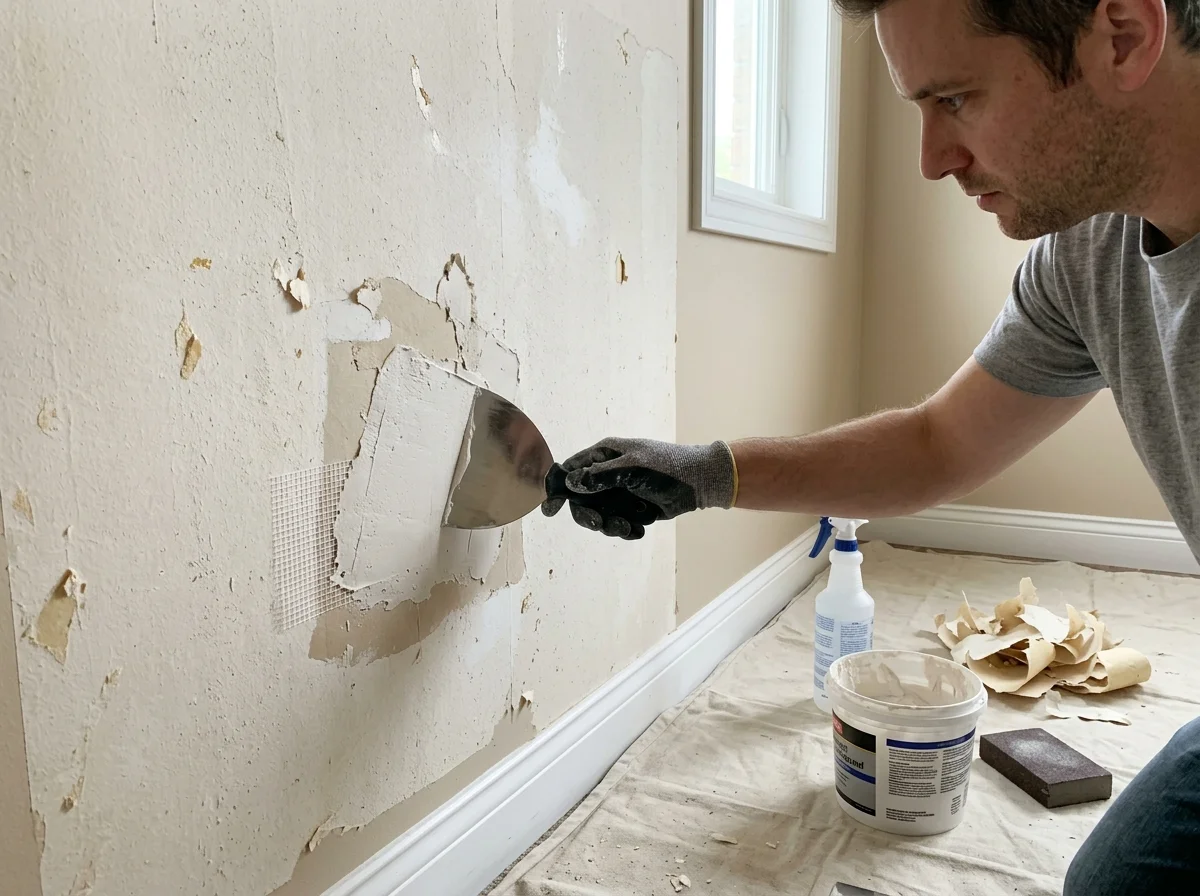
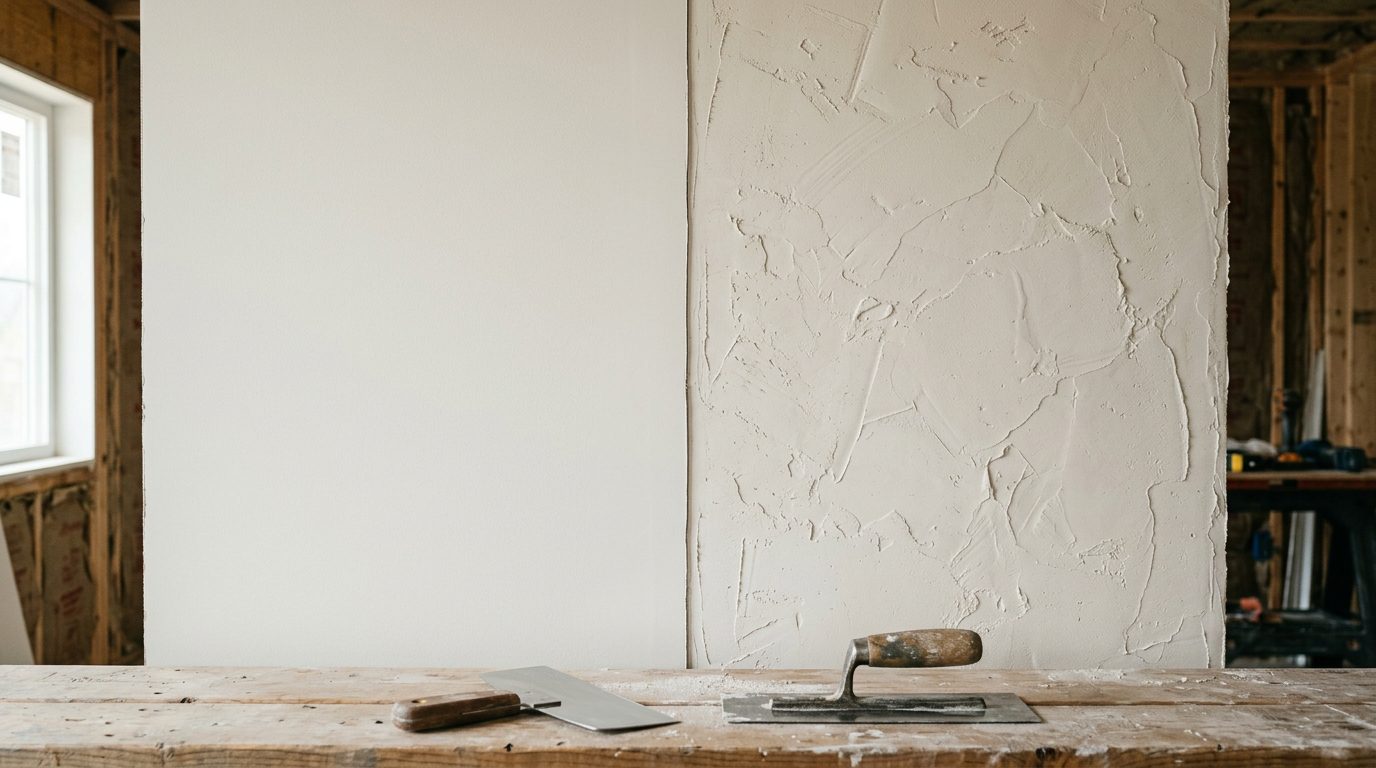
So you’re fixing a wall or building something new. You want to know what drywall actually is and what types exist. You might’ve heard the words “drywall,” “sheetrock,” and “plaster” used like they’re the same thing but they’re not. Your walls do a lot more than just look nice. They protect your space, keep sound in or out, stop fire from spreading, and give you a surface to paint and decorate. Pick the right drywall type and finish, and your project turns out great. Pick the wrong one, and you’ll waste money or end up with damaged walls.For local drywall help, Patch Pros of North Dallas serves homeowners and businesses throughout the area.
This guide walks you through the main drywall types. You’ll learn how drywall compares to plaster. You’ll understand different finishes. By the end, you’ll know exactly what to order for your Dallas home or business. Pick the wrong one, and you’ll waste money or end up with damaged walls.
What Is Drywall and How Does It Differ from Plaster?
Drywall and plaster both go on walls, but they work totally different ways.
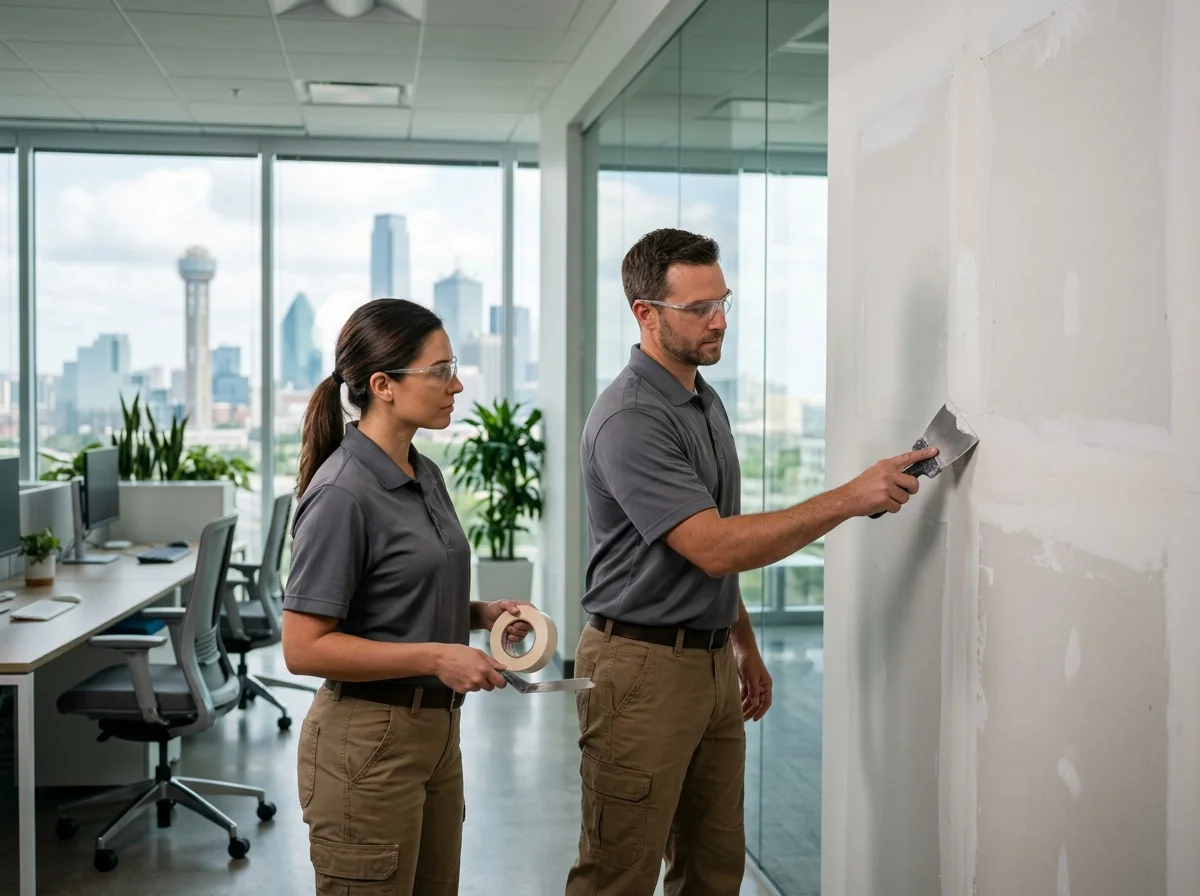
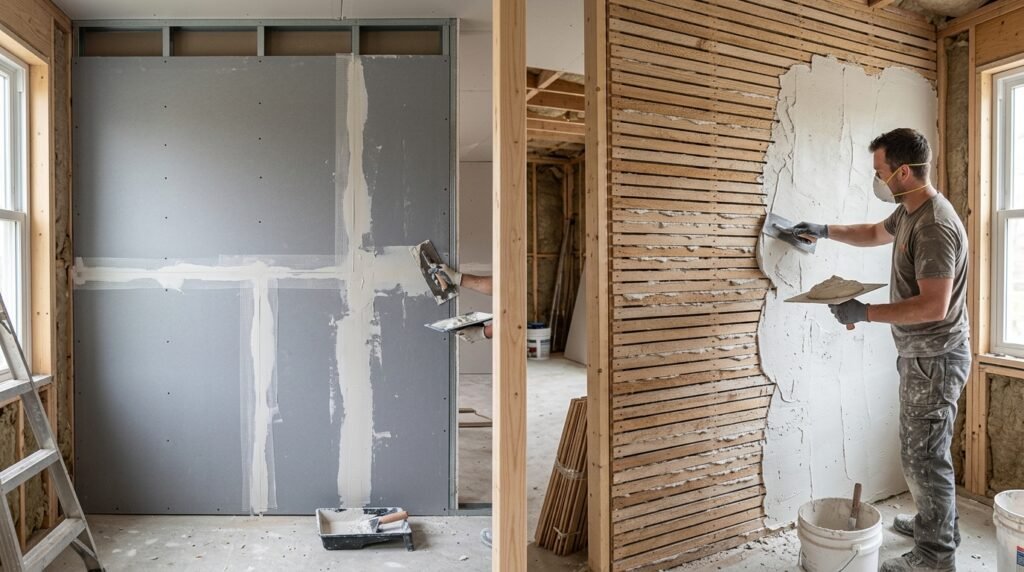
Drywall (also called sheetrock or gypsum board) comes in big sheets. Workers nail or screw these sheets to wooden or metal studs in your walls. Installation is fast usually done in a few days. Once the sheets are up, they tape and mud the seams (we’ll get to that later), and then the walls are ready for paint.
Plaster is wet material that workers spread on by hand. It goes on thin strips of wood or metal called lath. It takes multiple coats. Each coat has to dry before the next one goes on. The whole job can take 3-4 weeks. You need a skilled plaster specialist to do it right.
Here’s the real difference: drywall is fast and cheap. Plaster takes way longer and costs way more. Drywall is why most new homes in the Dallas area use it today. It works great for regular homes and businesses.
What Are the Main Types of Drywall?
What Is Standard Drywall (Also Called White Board)?
Standard drywall is what you’ll find in most homes. It’s the basic choice. Bedrooms, living rooms, hallways, offices standard drywall works for all of these.
It’s got a gypsum core (that’s the center part) wrapped in white paper on both sides. The white paper soaks up joint compound and paint easily. It costs less than other drywall types. If your room stays dry and you don’t need anything special, standard drywall is your answer.
Most homes in McKinney and the surrounding area use standard drywall everywhere except bathrooms and kitchens. Those rooms need something different because they get wet.
What Is Greenboard (Moisture-Resistant Drywall)?
Greenboard has green-colored paper on it. That green paper fights mold and mildew. Perfect for bathrooms, kitchens, laundry rooms, and any place that gets humid. The green paper has special stuff mixed in that stops mold from growing when moisture hits it. It costs a little more than standard drywall, but that extra cost is worth it. Why? Because water damage is expensive to fix. Mold is expensive to fix. Spending a bit more upfront saves you thousands later.
If you’re fixing up a bathroom in Plano or building a new kitchen, use greenboard. Don’t use standard drywall in wet areas it’ll fall apart.
What Is Purple Drywall (Mold and Moisture Resistant)?
Purple drywall is like greenboard’s tougher older brother. The gypsum core has extra additives that fight moisture and mold even better. The purple paper is thicker and harder to damage. It stands up to bumps and impacts better than other types.
You’ll see purple drywall in hospitals, schools, and commercial buildings. These places need durability because lots of people use them. If you’ve got a high-moisture area that also gets knocked around (like a busy hallway or playroom), purple drywall is your best bet.
What Is Type X Drywall (Fire-Rated)?
Type X drywall has stuff mixed into the gypsum that makes it resist fire. When fire hits it, it doesn’t burn as fast as regular drywall. Building codes say you’ve got to use it in certain spots like attached garages, walls between apartment units, and mechanical rooms.
Type X stops fire from spreading for up to 2 hours (depending on how it’s installed and how thick it is). That’s enough time for people to get out safely. In Collin County, the local building codes tell you where you need Type X. If you’re building something and aren’t sure, ask your contractor. They know the rules.
What Is Soundproof Drywall (Acoustic Drywall)?
Soundproof drywall (also called acoustic drywall) soaks up sound instead of letting it bounce around. It’s denser than regular drywall. Sometimes it has a bumpy texture on it that catches sound waves.
Home theaters, recording studios, offices these are the places where soundproof drywall shines. It stops noise from traveling through walls. If you live near a busy street or you’re building a recording studio in your Dallas home, this is what you want. It costs more than regular drywall, but if quiet is important to you, it’s worth every penny.
What Is Lightweight Drywall?
Lightweight drywall is about 20 percent lighter than standard drywall. That might not sound like much, but when you’re carrying sheets all day, it matters. Workers can install it faster. They don’t get as tired. That saves you money on labor. It performs just like standard drywall once it’s up. Same strength. Same durability. The only difference is it’s easier to handle during installation. For ceiling work or big wall projects in McKinney homes, lightweight drywall can speed things up and save you cash.
How Does Drywall Compare to Plaster?
Plaster vs Drywall: Installation Time
Here’s the big one: speed.
Plaster takes forever. You apply one coat. You wait for it to dry. You sand it. You apply another coat. Wait. Sand. Apply again. This goes on for weeks. Most plaster jobs take 3-4 weeks start to finish.
Drywall? Days. Sheets go up. Seams get taped and mudded. A few coats of mud go down, and you’re ready for paint. 5-7 days max.
For homeowners and businesses in Collin County who need walls fast, drywall wins hands down.
Plaster vs Drywall: Cost
Drywall is way cheaper. Less money for materials. Less money for labor (because it’s faster).
Plaster specialists charge a lot because they’ve got special skills. The work takes longer. Materials cost more. You’re looking at significantly higher costs for plaster than drywall.
If budget matters (and for most people it does), drywall gives you quality results without draining your wallet.
Plaster vs Drywall: Durability and Repairs
Plaster is harder than drywall. It resists dings and dents better. But when something breaks, fixing it is a nightmare. You need a plaster specialist. It’s expensive. It takes time.
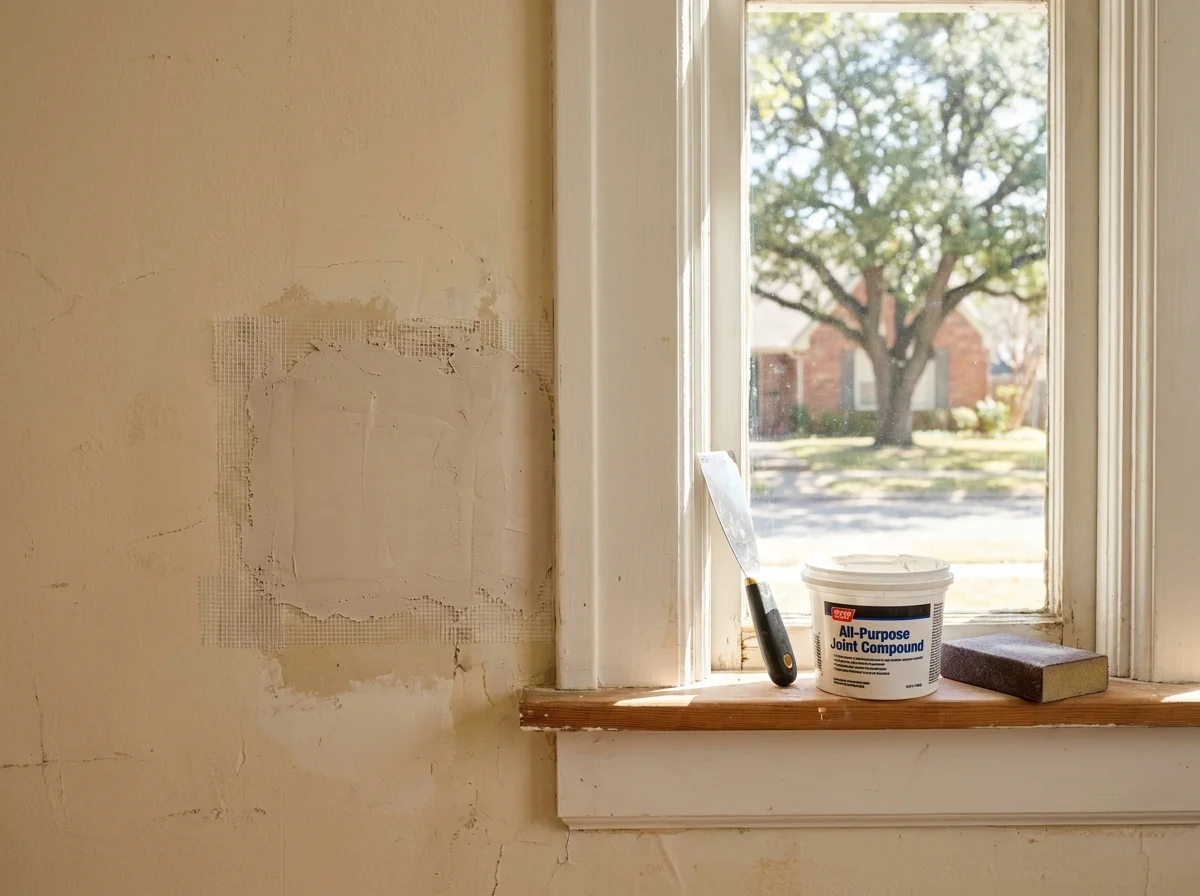
Drywall? Easy to fix. Hole in the wall? Grab some spackle, smooth it on, sand it, paint it. Done. Most people can do this themselves. If you hire someone, it’s cheap.
In busy homes or commercial buildings where walls take a beating, drywall’s easy repairs are a lifesaver.
Plaster vs Drywall: Sound Control
Plaster is thick and dense. It soaks up sound better than standard drywall. Noise doesn’t travel through plaster walls as easily.
But modern acoustic drywall has caught up. New soundproof drywall products now perform like plaster when it comes to sound control. And they cost less and install faster.
If you need quiet in your Plano office or home studio, acoustic drywall combined with proper installation works just as well as plaster for way less money.
Plaster vs Drywall: Moisture Resistance
Pure plaster resists moisture better than standard drywall. But here’s the catch: the lath underneath (those wooden strips) can rot if water gets at it. Once the lath rots, the whole wall fails.
Modern greenboard and purple drywall beat plaster in wet areas. They’re designed specifically to handle bathrooms and kitchens. They fight mold. They don’t fall apart when exposed to moisture.
For bathrooms and kitchens, greenboard or purple drywall is the safer choice today. Better than old-school plaster.
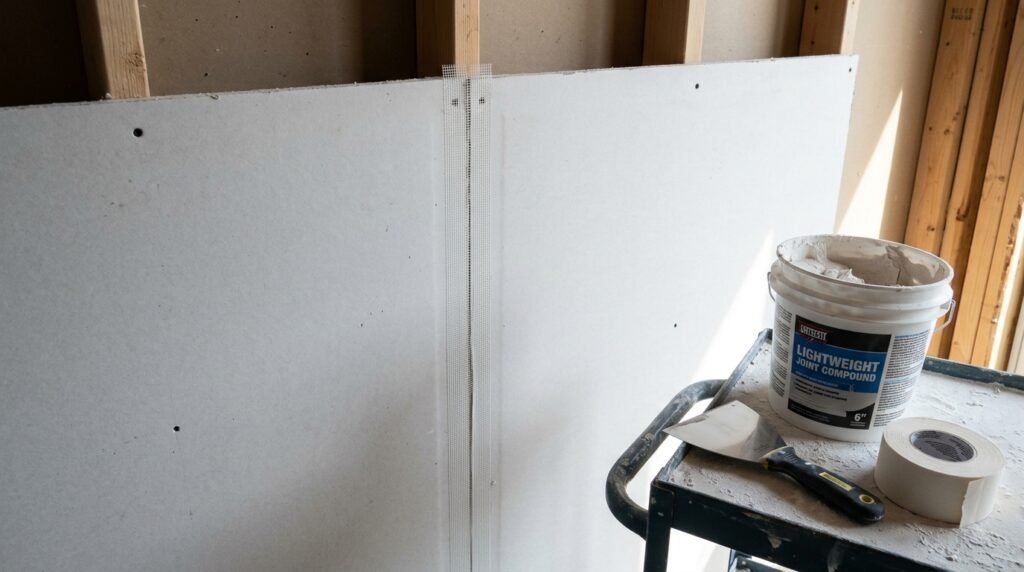
What Are Drywall Finishes and How Do They Work?
What Is Mud and Tape Finishing?
After the drywall sheets go up, the seams need to disappear. That’s where mud and tape come in.
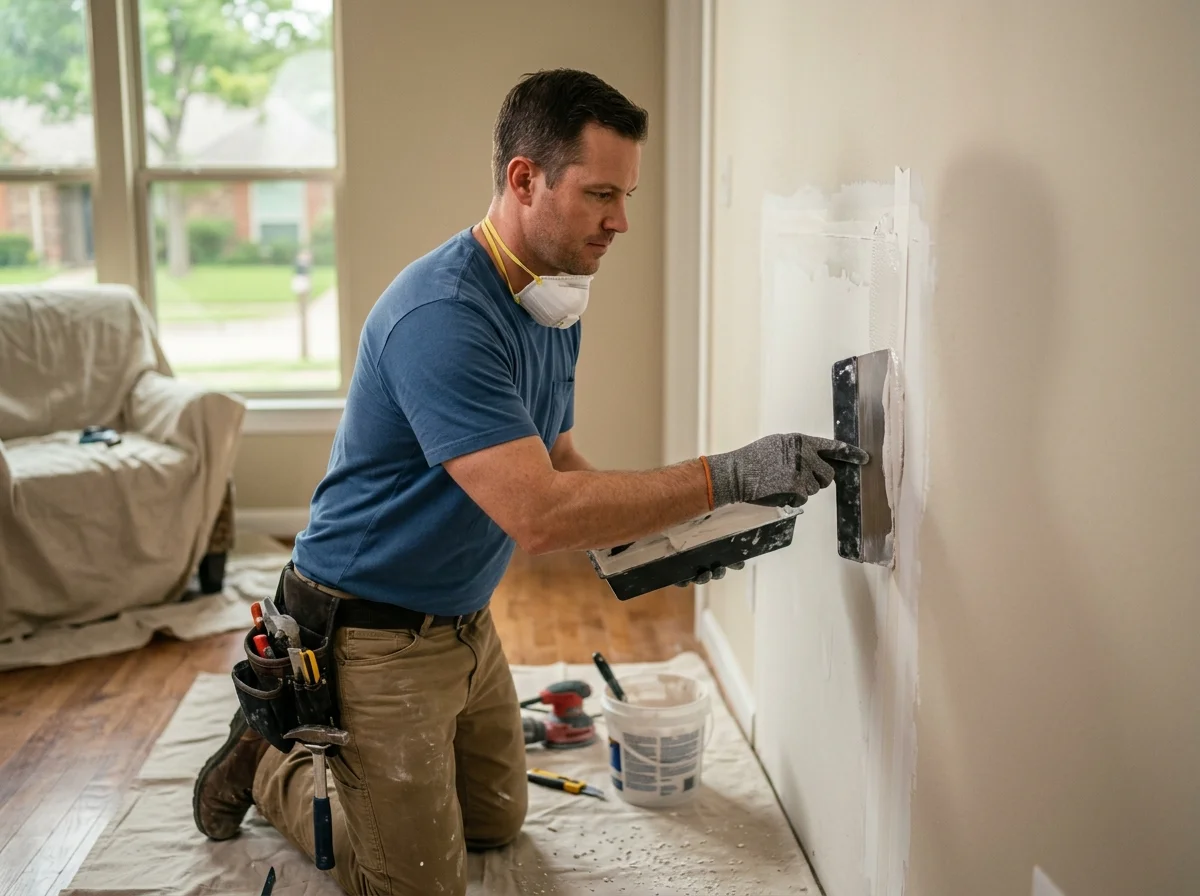
Workers put paper tape over every seam where two sheets meet. Then they cover that tape with a wet paste called joint compound (or “mud” in construction talk). The mud dries. They sand it smooth. They apply another coat. And another. Usually 5 coats total.
When it’s done right, you can’t see the seams. The wall looks flat and smooth.
This takes several days because each coat needs to dry before sanding and the next coat. But the result is a wall that looks perfect and ready for paint.
What Is Skim Coat Finishing?
Skim coating means covering the entire wall with a super-thin layer of joint compound. Not just the seams the whole thing.
Why do this? It hides tiny imperfections. It makes the wall ultra-smooth. It looks high-end and polished.
Takes more skill and more time than standard mud and tape. But if you want walls that look premium, skim coating delivers.
Great for fancy homes or upscale offices in McKinney.
What Is Texture Finishing?
Instead of smooth walls, you add texture. Bumpy texture. Patterns. Different styles have different names popcorn texture, orange peel, knockdown texture.
Texture covers up imperfections fast. It looks interesting. And if the texture is thick enough, it actually helps with sound control.
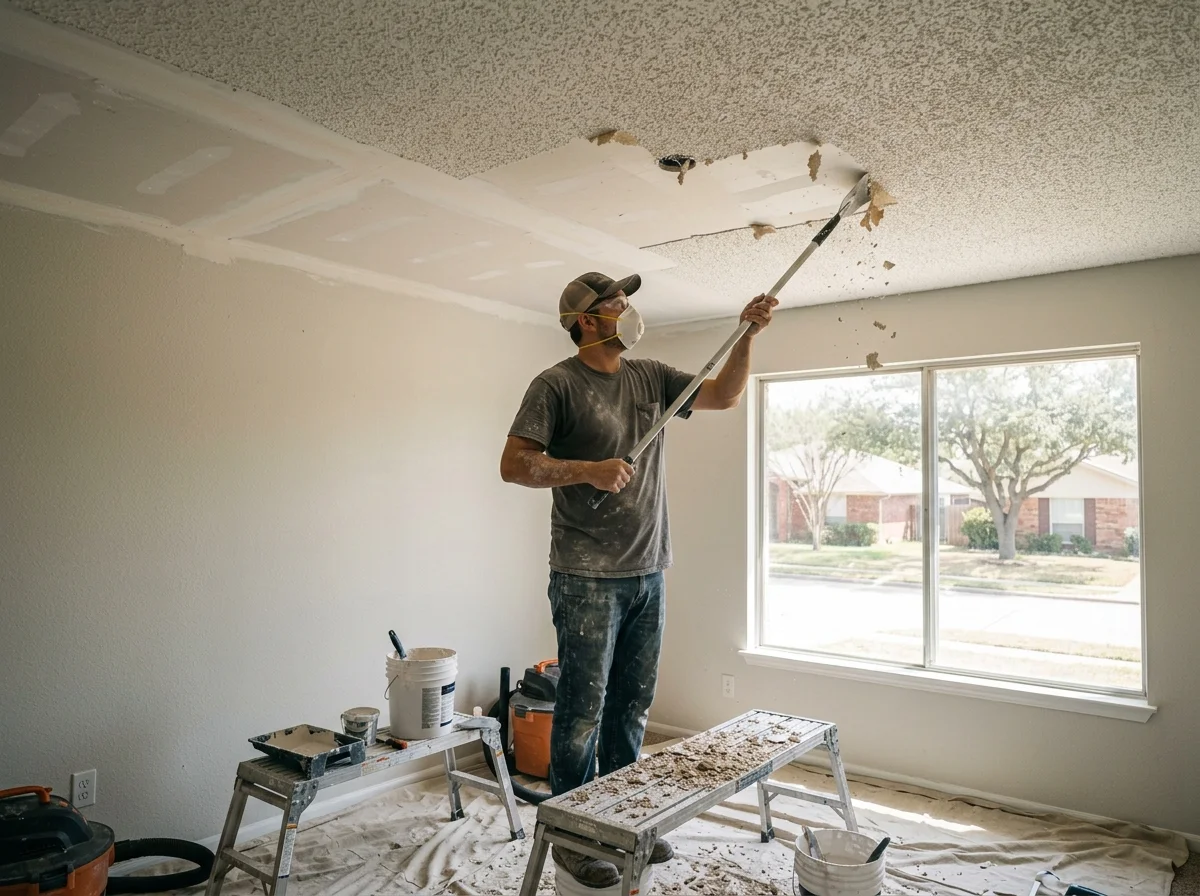
Applying texture is quicker than making everything smooth. That saves money on labor. A lot of older homes in Collin County have textured walls. Nowadays, smooth walls are more popular. But texture still shows up in commercial spaces.
What Is Venetian Plaster Finish?
Venetian plaster is fancy. Luxurious. It looks like marble or stone. Workers apply it in layers with special trowels, creating depth and shine.
It’s pricey. But it transforms a room into something elegant and high-end.
For upscale residential or commercial projects in Dallas, Venetian plaster says “money.” It’s a statement finish.
What Is Blueboard and Veneer Plaster?
Blueboard is special drywall made for veneer plaster. It’s got a different paper that bonds with plaster instead of joint compound.
You cover it with a thin layer of plaster (called veneer plaster). The result looks like real plaster but it installs way faster.
You get the beautiful plaster look without waiting weeks. Commercial spaces and fancy homes use this for sophisticated finishes.
What Materials Are Used in Modern Drywall?
Gypsum Core
The center of drywall is gypsum. It’s a natural mineral. It’s got good fire resistance. It absorbs impact. It’s strong.
Different drywall types add things to the gypsum to make it better. Moisture-resistant drywall has additives. Fire-rated drywall has additives. The additives change how the drywall performs.
Paper Facing
White paper goes on standard drywall. It’s smooth and takes joint compound and paint easily.
Greenboard has green paper with antimicrobial stuff mixed in that’s what fights mold.
Purple drywall has thicker, stronger purple paper.
The paper protects the gypsum core inside. It’s the surface everything else sticks to.
Joint Compound (Mud)
Joint compound is plaster-like paste. Workers mix gypsum powder with water and additives. The additives control how fast it dries and how easy it is to work with.
Different types exist for different jobs taping mud, all-purpose mud, finishing mud. Each one is designed for a specific step.
Good joint compound = seamless seams that disappear completely.
Drywall Tape
Paper tape or mesh tape bridges the gaps between sheets.
Paper tape is strong. You embed it in mud. Works great.
Mesh tape has sticky backing. Faster to apply. But needs more coats of mud.
Both work fine if installed correctly.
Primer and Paint
Primer seals the drywall surface. Prepares it for paint. Good primer makes paint stick better and cover better.
Paint gives you color and protection.
Use quality primer and paint, and your walls look professional and stay looking good for years.
How Should You Choose the Right Drywall Type for Your Project?
Ask yourself a few questions:
What room is this? Bathrooms and kitchens = greenboard or purple drywall. Normal rooms = standard drywall.
What does your building code require? Commercial buildings and multi-family units need fire-rated drywall in certain spots. Check with your contractor they know the rules.
Do you need sound control? Acoustic drywall if you want quieter rooms.
What’s your budget? Standard drywall is cheapest. Purple is pricier but lasts longer in tough situations.
What’s your timeline? Drywall is fast. Everything else takes longer.
Talk to your contractor. They’ll recommend what makes sense for your specific situation and what the building codes require.For professional help with panel selection, hanging, taping, and finishing, explore our drywall installation services.
Frequently Asked Questions
What is the difference between drywall and sheetrock?
Sheetrock is a brand name. One company (United States Gypsum Company) makes it. When people say “sheetrock,” they usually mean any drywall, even if it’s from a different company.
Think of it like Kleenex and tissues. Kleenex is the brand. Tissue is the product. Same thing here.
All sheetrock is drywall. But not all drywall is sheetrock. Most quality brands perform similarly, but sheetrock’s been around forever and has a solid reputation.
Can you use regular drywall in a bathroom or kitchen?
No. Don’t do it. Regular drywall falls apart when exposed to moisture. It grows mold. It fails structurally. Then you’ve got a bigger problem.
Use greenboard or purple drywall in bathrooms and kitchens. That’s what they’re made for. Building codes require it anyway. One mistake here costs thousands in repairs later.
How thick should drywall be for my project?
Drywall comes in three main thicknesses: 1/2 inch, 5/8 inch, and 3/4 inch.
For most residential walls, 1/2 inch works fine on studs spaced 16 inches apart.
5/8 inch is thicker. Better fire resistance. Better soundproofing. Good for commercial spaces.
3/4 inch is thickest. Costs more. Overkill for most projects.
Your contractor tells you which thickness to use based on your stud spacing and what the codes require.
What’s the difference between Type X and Type C drywall?
Both are fire-rated. Type X resists fire for up to 2 hours. Type C is tougher up to 3 hours of fire resistance.
Type C has more additives to fight fire. Costs more. Used in buildings with stricter fire-safety rules.
Building codes tell you which one you need.
How long does it take to finish drywall with mud and tape?
Start to finish? Usually 5-7 days. Depends on how big the project is and how complicated it is.
Multiple coats need drying time between applications. Humidity and temperature affect how fast things dry. Texture goes faster than smooth finishes.
Your contractor gives you a timeline once they see the actual project.
Is acoustic drywall better than regular drywall for sound control?
Acoustic drywall definitely reduces sound better than standard drywall. But if you really need serious soundproofing (like a recording studio or home theater), combine it with acoustic panels and insulation.
Acoustic drywall works great for moderate sound control in offices and commercial spaces.
For serious soundproofing needs, layer multiple methods together for best results.