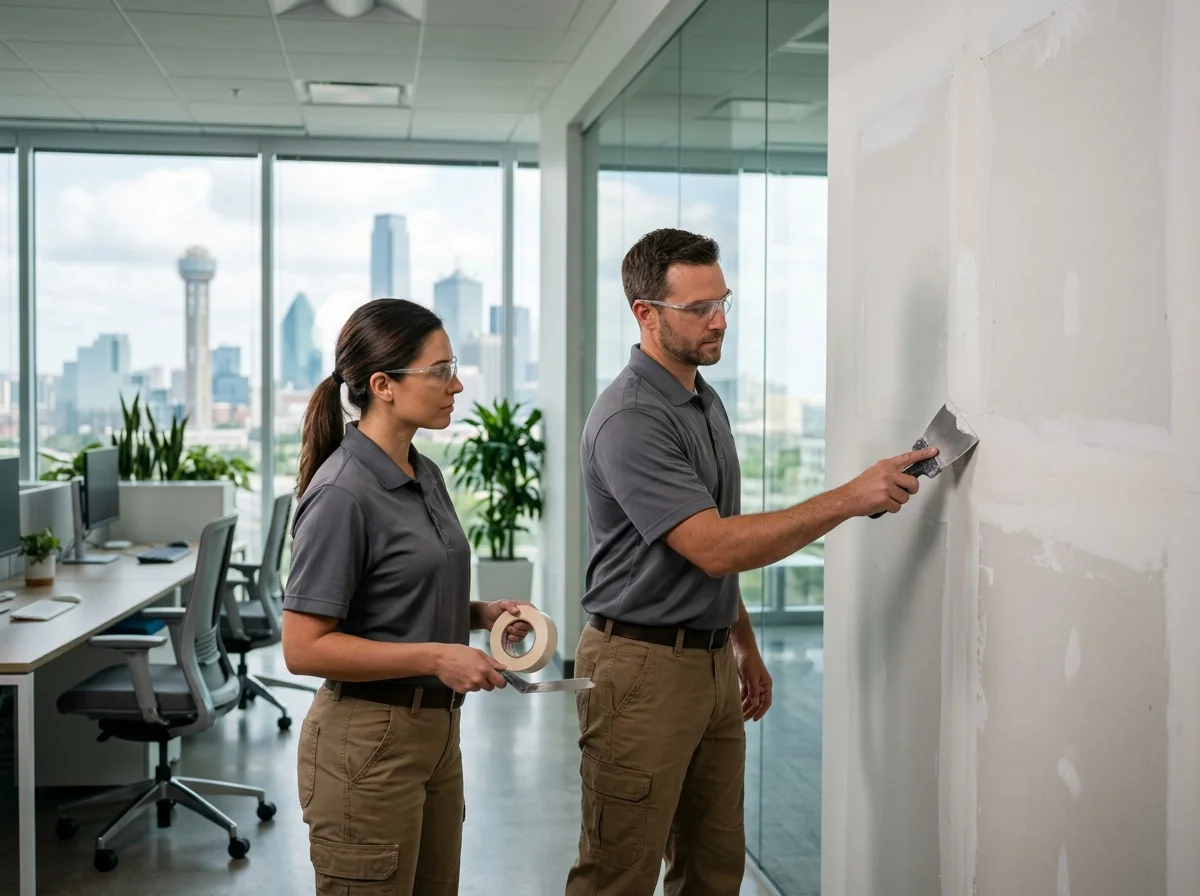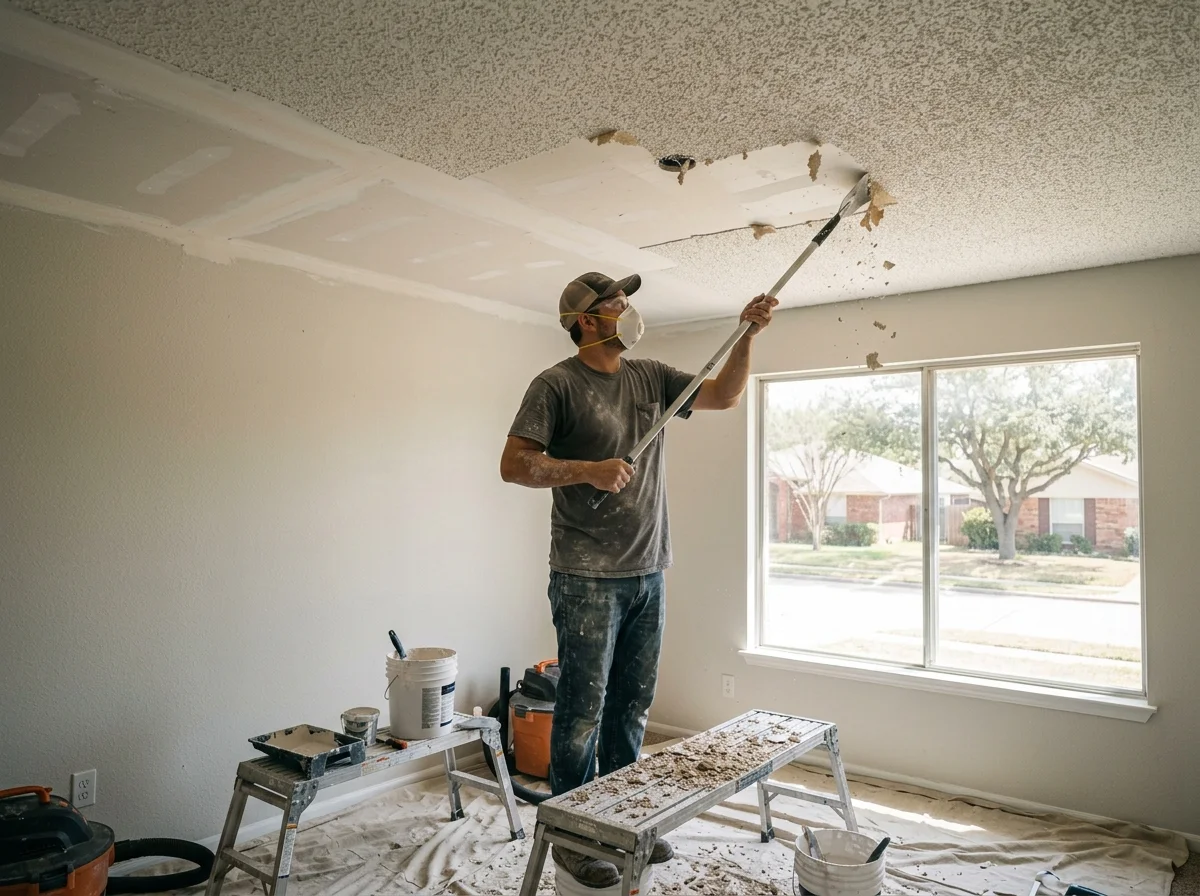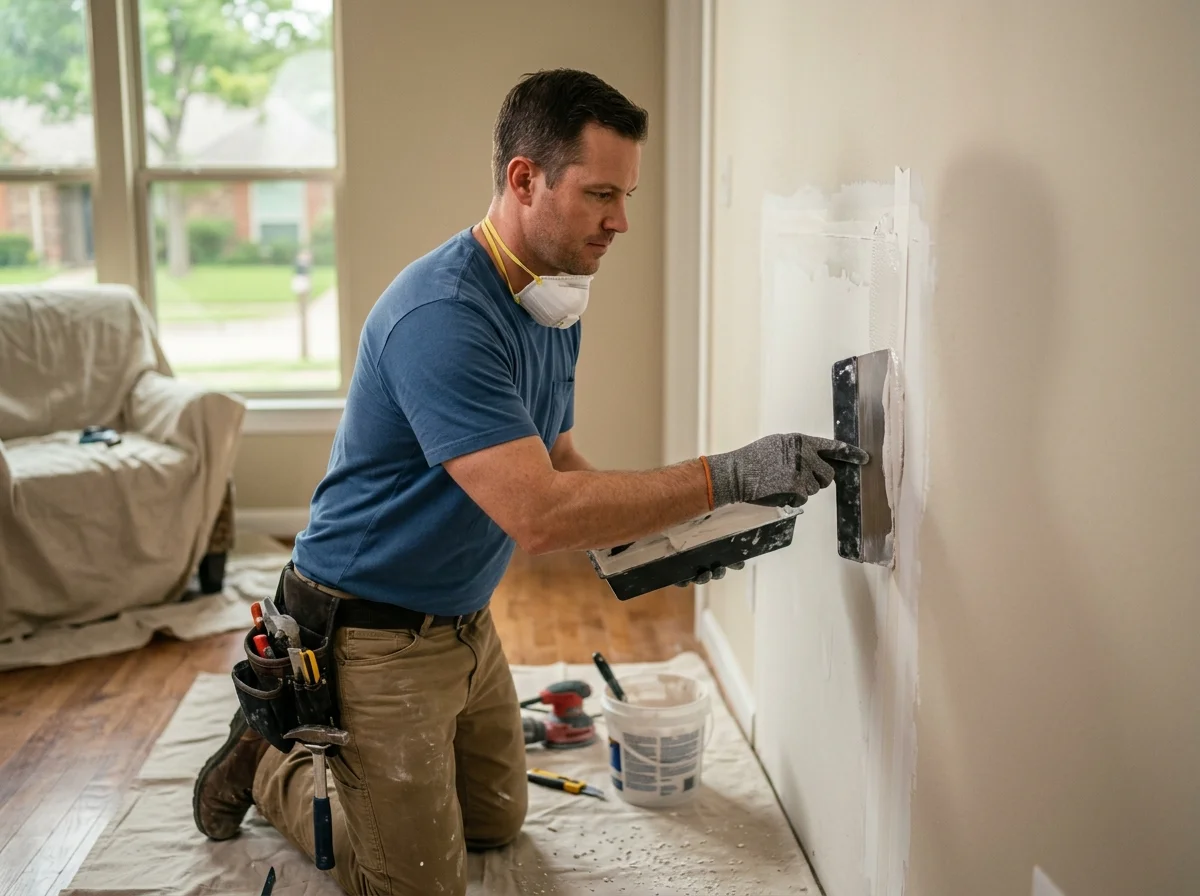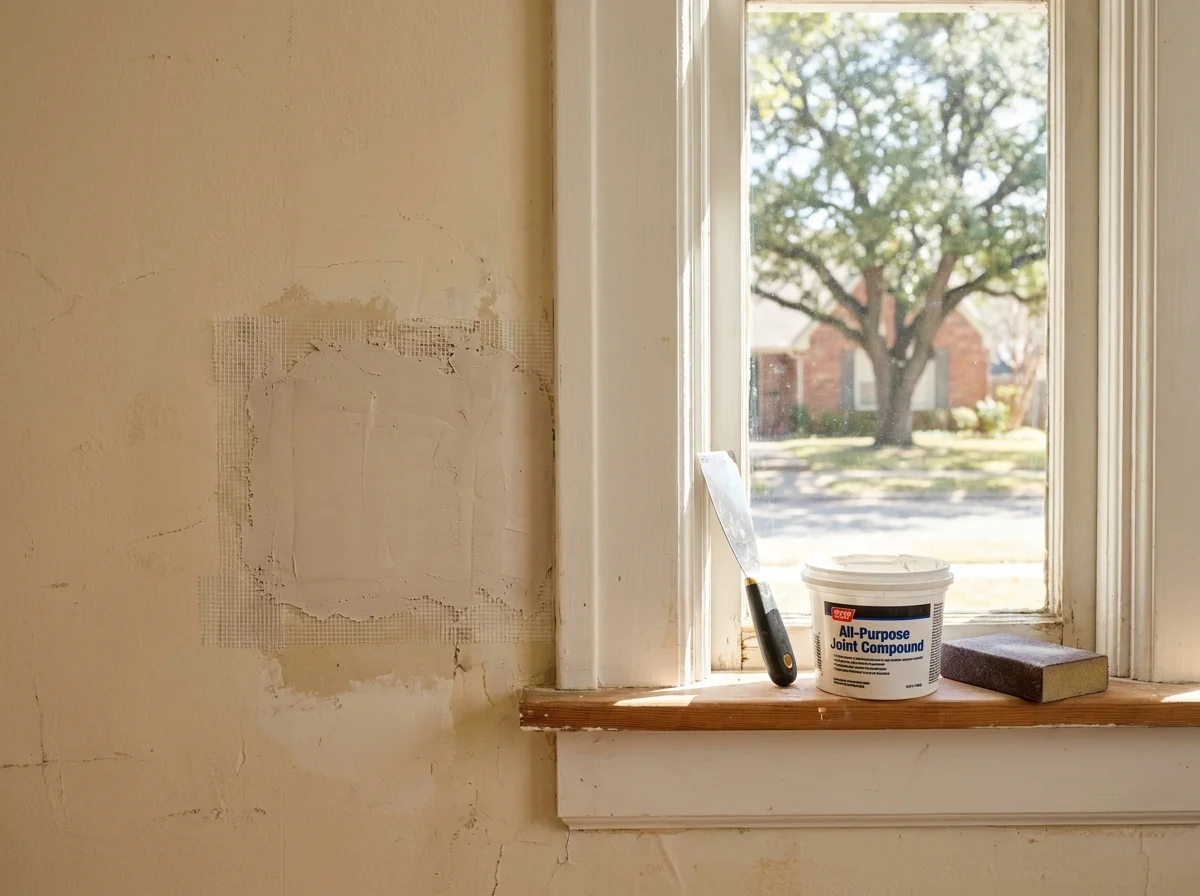
You’re getting quotes from contractors in Dallas. One says “I’ll use sheetrock.” Another says “drywall.” You wonder if they’re different things.
Here’s the answer that matters: they’re basically the same. Sheetrock is a brand name. Drywall is the category. Like Kleenex and facial tissue. Or Band-Aid and bandage.
That’s it. That’s the whole thing.
But if you’re trying to understand what that actually means for your project, your budget, and whether you should care about the difference, keep reading. Because while they’re basically the same, there are some real questions worth asking.
The Simple Version (In Case You Don’t Want to Read Everything)
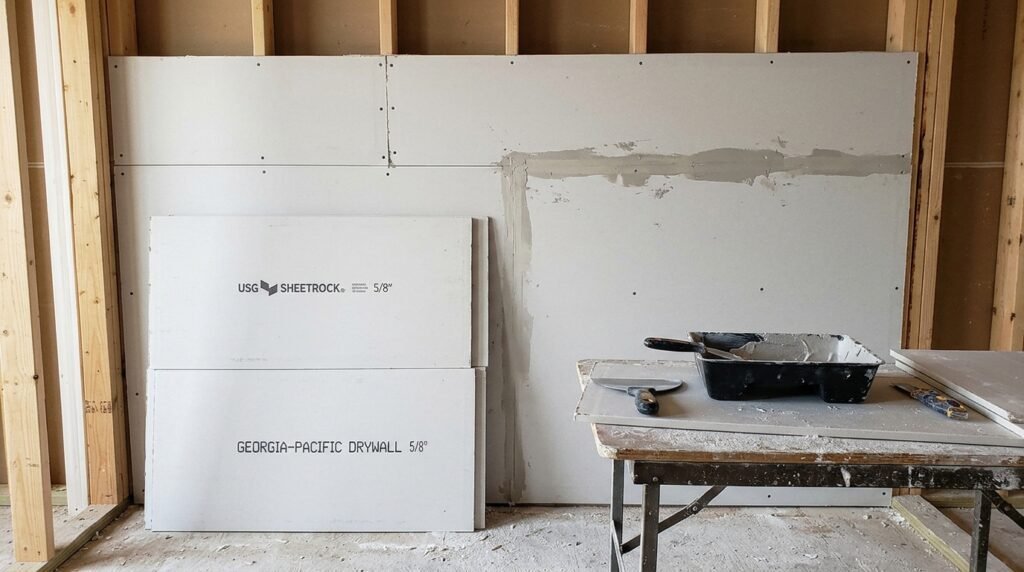
Sheetrock is USG’s brand of drywall. It’s been around forever. It’s solid. Other brands (CertainTeed, Georgia-Pacific, National Gypsum) make drywall that’s just as good, usually cheaper.
They all go on walls the same way. They all get finished the same way. Once they’re painted, you can’t tell the difference.
If your contractor wants to use Sheetrock and it fits your budget? Fine. If they want to use something else to save money? Also fine.
That’s honestly the whole decision.
The rest of this is just understanding why everyone uses both words interchangeably, and why it doesn’t actually matter as much as it sounds like it should.
Why “Sheetrock” Became a Catch-All Term
Back in the day, USG invented gypsum drywall panels and called them Sheetrock. Brand was so popular that it became the generic term. Like how people say “Xerox” when they mean photocopy.
Over decades, Sheetrock became what people called all drywall, regardless of who made it. Walk onto any job site in Dallas and you’ll hear contractors say “we’re hanging sheetrock” even if they’re actually using Georgia-Pacific.
It stuck. Everyone does it.
Why this matters:
If your contractor says “I’ll use sheetrock,” they might mean:
- The actual USG Sheetrock brand, or
- Drywall in general (any brand)
If you care which one, ask. Most of the time they won’t care and will just say “whatever’s available.” Some contractors have supplier relationships where they get better pricing on specific brands. So they stick with what they know.
What You’re Actually Getting
All modern drywall (sheetrock, CertainTeed, Georgia-Pacific, whoever) is essentially the same thing: gypsum core between two layers of paper.
That gypsum core provides fire resistance. The paper layers accept joint compound and paint. The whole thing is made to the same industry standards.
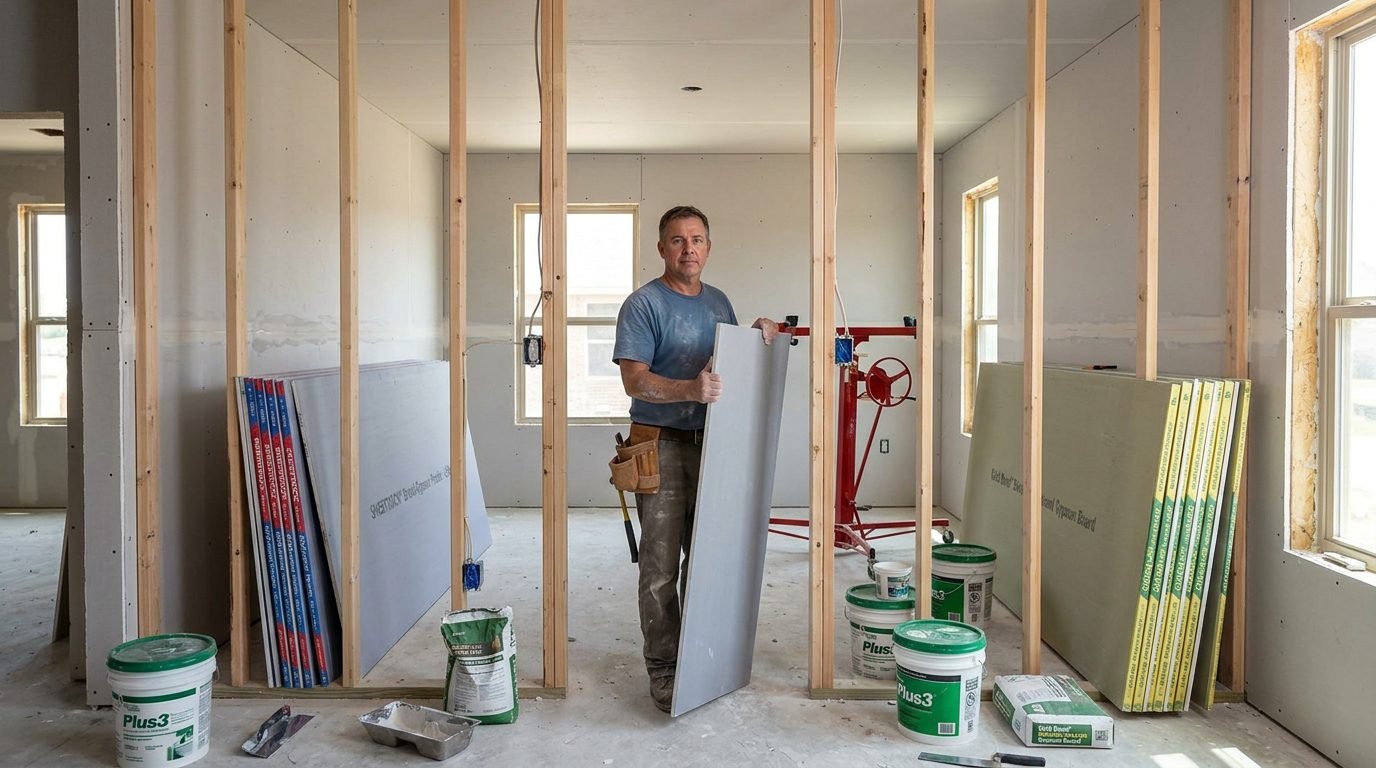
You get it in standard sizes (4 feet wide, 8 to 14 feet long) and thicknesses (half-inch, five-eighths, three-quarter-inch depending on the job).
Does it matter which brand?
Not really. A finished wall made with CertainTeed looks identical to one made with Sheetrock. Performance-wise? There’s no meaningful difference for most homes.
The only real difference is USG’s quality reputation. They’ve been doing this longer and have tighter quality controls. So contractors feel confident recommending them.
But Georgia-Pacific and CertainTeed are just as reliable. Your walls will be fine either way.
The Cost Question
Sheetrock usually costs about 10 to 15% more than other brands.
For a small patch? You won’t notice. Maybe $10 to $20 difference.
For a whole room or full installation? That gap adds up. Could be $200 to $400+ difference depending on the project size.
Is it worth it?
Probably not. You’re paying extra for the brand name and USG’s reputation, not for better performance. Other brands do the same job.
If you’re budget-conscious, tell your contractor. They’ll use something else and save you money. Good contractors know quality alternatives.
Installation and Finishing (Where Brand Doesn’t Matter At All)
Here’s what actually matters: how well it gets installed and finished.
All drywall brands get hung the same way. Screwed or nailed to studs. Fasteners placed 12 to 16 inches apart. Taping, mudding, and finishing all identical.
Your contractor’s skill is what shows up in the final product. Not the brand.
A great installer makes any brand look perfect. A careless installer makes Sheetrock look bad.
So when you’re comparing contractor quotes? Look at their past work. Ask to see finished jobs. That tells you way more than which brand they plan to buy.
Specialty Drywall (Where Brand Might Actually Matter Slightly)
USG makes specialty panels for specific situations. Moisture-resistant panels for bathrooms. Fire-rated panels for commercial work. Acoustic panels for noise control.
These work well. But so do competitor specialty panels. CertainTeed and Georgia-Pacific make equivalent products, usually at lower prices.
Moisture-resistant drywall for bathrooms? All major brands work. Pick whichever your contractor prefers or recommends.
Fire-rated drywall for commercial builds? Codes require specific types. The brand matters less than the type. Your contractor will know which ones meet code.
Acoustic panels for office spaces? Performance is similar across brands. Choose based on budget.
Lightweight panels for easier handling? Again, similar across brands.
The specialty matters. The brand matters less.
Mixing Brands on One Project
Can you use Sheetrock in one room and CertainTeed in another?
Sure. No problem at all.
All drywall is made to the same dimensions. Accepts the same joint compound. Paints the same. Finishes the same.
In practice, most contractors use one brand throughout a project just to keep things simple. But mixing is fine if it happens. Your walls will look identical once they’re finished.
DIY Projects (Both Brands Work Fine)
Planning to hang and finish drywall yourself?
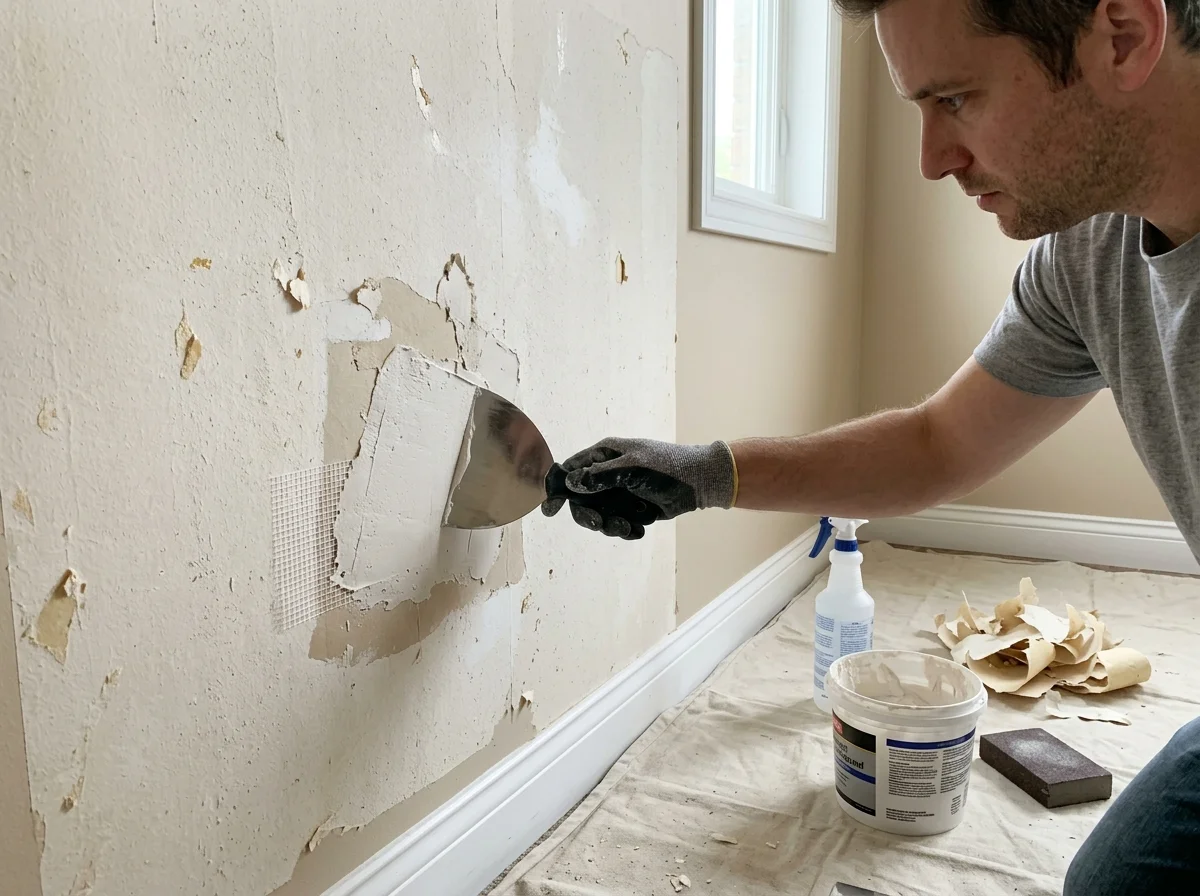
Doesn’t matter which brand. Sheetrock or generic drywall, the process is identical.
What matters: patience. Multiple thin coats of joint compound. Letting each coat dry completely. Using the right tools. Sanding well.
Good results come from doing it right. Not from which name is printed on the panel.
You’ll find both Sheetrock and competing brands at Home Depot or Lowe’s throughout Dallas and Collin County. Pick whichever’s available or cheaper.
What to Tell Your Contractor
Don’t overthink this.
When you’re getting quotes, just say your project, your budget, and whether you have preferences. Most contractors will pick what makes sense.
If you specifically want Sheetrock, say so. They’ll use it.
If you want them to pick what’s most cost-effective, say that too. They’ll use something else.
What’s actually worth asking about: the joint compound they use and their finishing method. Those details affect the final look way more than the drywall brand.
Ask about:
- “What’s your finishing process?” (multiple coats, drying time, sanding approach)
- “What joint compound will you use?” (quality matters here)
- “How many coats will you apply?” (more coats = smoother finish)
- “Can I see examples of your finished work?” (this is everything)
Those questions matter. The brand question? Not really.
When Brand Actually Makes a Difference
Honest answer? Almost never, for residential work.
It might matter slightly if:
You’re renovating a historic property and want original materials (probably irrelevant, but some people care).
You have a specific supplier relationship that gets you better pricing on one brand (your contractor’s problem to solve, not yours).
You’re in a commercial building with code requirements (type matters, brand matters less).
Otherwise? The differences are so small that worrying about them is like worrying about the color of the fasteners.
Frequently Asked Questions
Is Sheetrock actually better than other drywall brands?
Sheetrock is a solid product with a good reputation. That said, CertainTeed and Georgia-Pacific meet the same standards and perform just as well in practice. The difference is brand recognition, not material quality. Your installer’s skill level will have way more impact on the finished walls than which brand goes up.
Do I need to use the same brand throughout my home?
Nope. You can mix brands without any problems. All drywall is made to the same dimensions and accepts the same finishing materials. In practice, most contractors stick to one brand per project for workflow simplicity. But mixing is totally fine. Your walls will finish and paint identically.
How much cheaper is non-Sheetrock drywall?
Generally 10 to 15 percent less. For a small patch, that’s barely noticeable. For a whole room or full installation, the savings can reach a few hundred dollars. If budget’s tight, ask your contractor about quality alternatives. They usually perform the same at lower cost.
Does brand matter for drywall repairs?
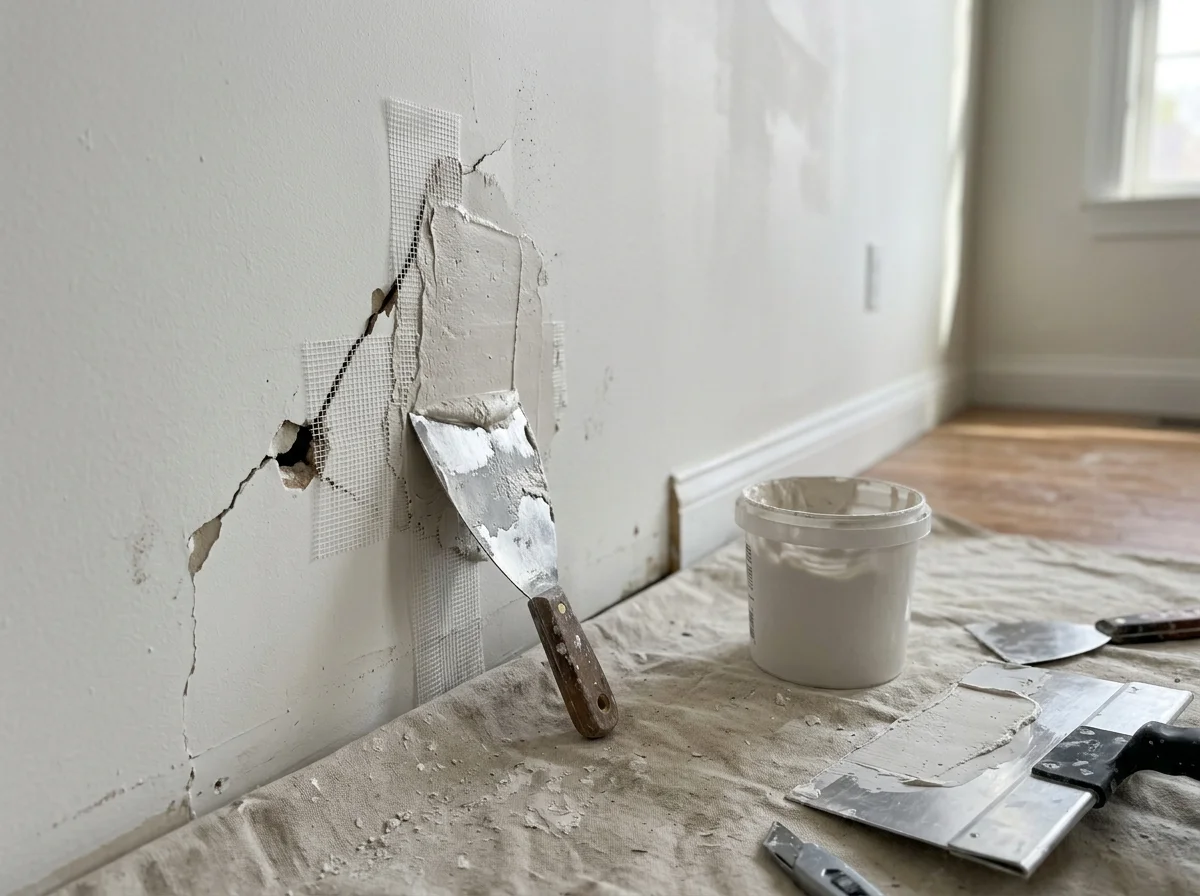
Not at all. The repair process is identical across brands. Cut, patch, tape, mud, sand, paint. That process doesn’t change based on what brand is on the panel. Once it’s finished and painted, it’ll match your existing walls regardless of brand.
Where can I buy drywall or Sheetrock in the Dallas area?
Both Sheetrock and competitors are available at Home Depot and Lowe’s throughout Dallas and Collin County. Local building supply companies often have better pricing for contractors and serious DIYers. If you’re hiring a pro, they usually buy at contractor pricing, which is cheaper than retail regardless of brand.
Do drywall brands come with warranties?
Most major brands offer limited warranties against manufacturing defects. USG Sheetrock included. The exact terms vary by product type. But installation quality and workmanship are separate from material warranty. Those are covered by your contractor. Ask both your supplier and contractor what’s covered before work starts.