Standard drywall works great for most of your home. But some rooms need something different.
Your garage wall needs to handle fire risk. Your home office needs to block sound from the kitchen. Your bathroom needs to resist mold. That’s where specialty drywall comes in.
This guide breaks down the three main types of specialty drywall, what they actually do, where they’re needed, and when paying extra for them makes sense. By the end, you’ll know if your project actually needs specialty drywall or if standard drywall is fine.
Fire-Rated Drywall: The Protection You Might Need
Fire-rated drywall is made to slow down fire. The gypsum core contains additives that release moisture when exposed to heat. That moisture cools the wall and slows the flames. Gives people more time to escape. Protects the rest of the house.
It looks exactly like regular drywall from the outside. The difference is inside the core.
Two common types:
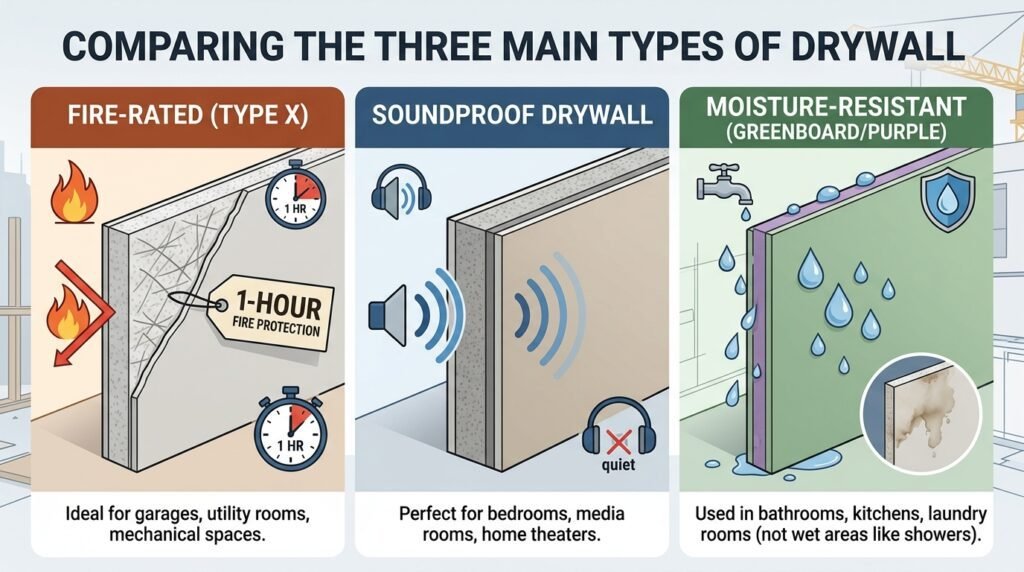
Type X drywall gives about one hour of fire protection. Standard in most residential applications that need fire rating.
Type C drywall gives up to three hours of protection. Used in commercial buildings and high-risk areas where longer protection is required.
The actual rating depends on:
- How thick the panels are
- How they’re installed
- What’s behind them (insulation, backing)
- How seams are sealed
Proper installation matters. Fire rating only works if it’s installed correctly.
Where you actually need it:
Building codes specify where fire-rated drywall is required. In Dallas homes, it’s commonly required:
- Walls between a garage and living spaces (fire can start in the garage, needs to be slowed)
- Walls around mechanical/furnace rooms
- Stairwells in multi-story homes (sometimes)
- Walls between units in multi-family buildings (commercial)
In commercial buildings, it shows up in stairwells, mechanical rooms, shared walls between units, and kitchen areas.
Don’t guess about this. Building codes vary by location. Your contractor or the local building department can tell you exactly where it’s required. Getting it wrong means failed inspection and rework.
Cost: 10-20% more than standard drywall. Not huge, but it adds up on large projects.
Soundproof Drywall: When Noise Is the Problem
Soundproof drywall (also called acoustic drywall) is thicker and denser than standard drywall. It absorbs sound waves, reduces vibration, and slows noise transfer between rooms.
Here’s the reality: it won’t make a room completely silent. Nothing short of professional sound studio construction does that.
But it makes a real difference. Sound travels less easily through thick, dense material. Combined with proper insulation inside the wall, it significantly cuts noise transfer.
Where it actually helps:
Home offices next to kitchens or living rooms. If people are on video calls or concentrating, noise reduction matters.
Home theaters or media rooms. You don’t want to broadcast movies through the house.
Bedrooms in noisy neighborhoods. Lower traffic noise, trains, highways.
Master bedrooms where you sleep. Sound dampening helps.
In commercial spaces: Offices, medical clinics, call centers, hotels. Anywhere people need to concentrate or privacy matters.
Honest assessment: Most people don’t put acoustic drywall in every room. You use it where noise is actually a problem. Guest bedrooms? Probably not. Your home office where you work from home? Maybe.
Cost: 20-40% more than standard drywall. More expensive than other specialty types.
How to maximize it: Acoustic drywall works best with insulation inside the wall cavity. Just the drywall helps. Drywall plus insulation makes a real difference. Drywall plus insulation plus the right paint (flat paint absorbs sound better than glossy) maximizes noise reduction.
Moisture-Resistant Drywall: The Bathroom Essential
Moisture-resistant drywall is made to handle humidity and small amounts of water. It has special paper facing that resists mold. Some types also have treated gypsum cores that resist water absorption.
Common types:
Greenboard is the basic moisture-resistant option. Handles normal bathroom humidity fine. Has antimicrobial additives to resist mold growth.
Purple drywall (sometimes called “mold-resistant drywall”) offers stronger mold resistance and better durability. Better for high-humidity areas or bathrooms that see heavy use.
Important: Moisture-resistant drywall is NOT waterproof. It handles humidity. It resists mold. But it can’t sit in standing water for extended periods. For shower areas with direct water contact, you need waterproof membranes on top of moisture-resistant drywall.
Where it’s essential:
Bathrooms. Any bathroom. Showers create steam. Moisture-resistant drywall prevents mold and damage inside walls.
Kitchens. Dishwashers and cooking create moisture. Moisture-resistant helps.
Laundry rooms. Clothes dryers pump out moisture constantly. Use moisture-resistant.
Basements with moisture issues. If your basement gets damp or wet, moisture-resistant is worth it.
In commercial spaces: Restaurants, gyms, hospitals, public restrooms. Any area with steady moisture.
Honest assessment: Most bathrooms in Dallas homes are fine with greenboard. If you have a small half-bath with minimal ventilation? Standard moisture-resistant works. If you have a master bath with a steam shower, heavy use, and poor ventilation? Consider purple drywall for the extra mold resistance.
Cost: 10-25% more than standard drywall. Cheapest of the specialty options.
When Specialty Drywall Actually Makes Sense
Fire-rated drywall: Use it where code requires it. That’s non-negotiable. Don’t cheap out on safety.
Soundproof drywall: Use it if noise is actually a problem. Don’t install it everywhere “just in case.” Install it in rooms where sound matters.
Moisture-resistant drywall: Use it in bathrooms, kitchens, laundry rooms, any wet area. This is cheap insurance against mold damage. Worth doing.
The pattern: Install specialty drywall where it solves an actual problem or meets code requirements. Don’t install it everywhere for “peace of mind” unless you’ve got money to burn.
Installation: Do I Need Special Contractors?
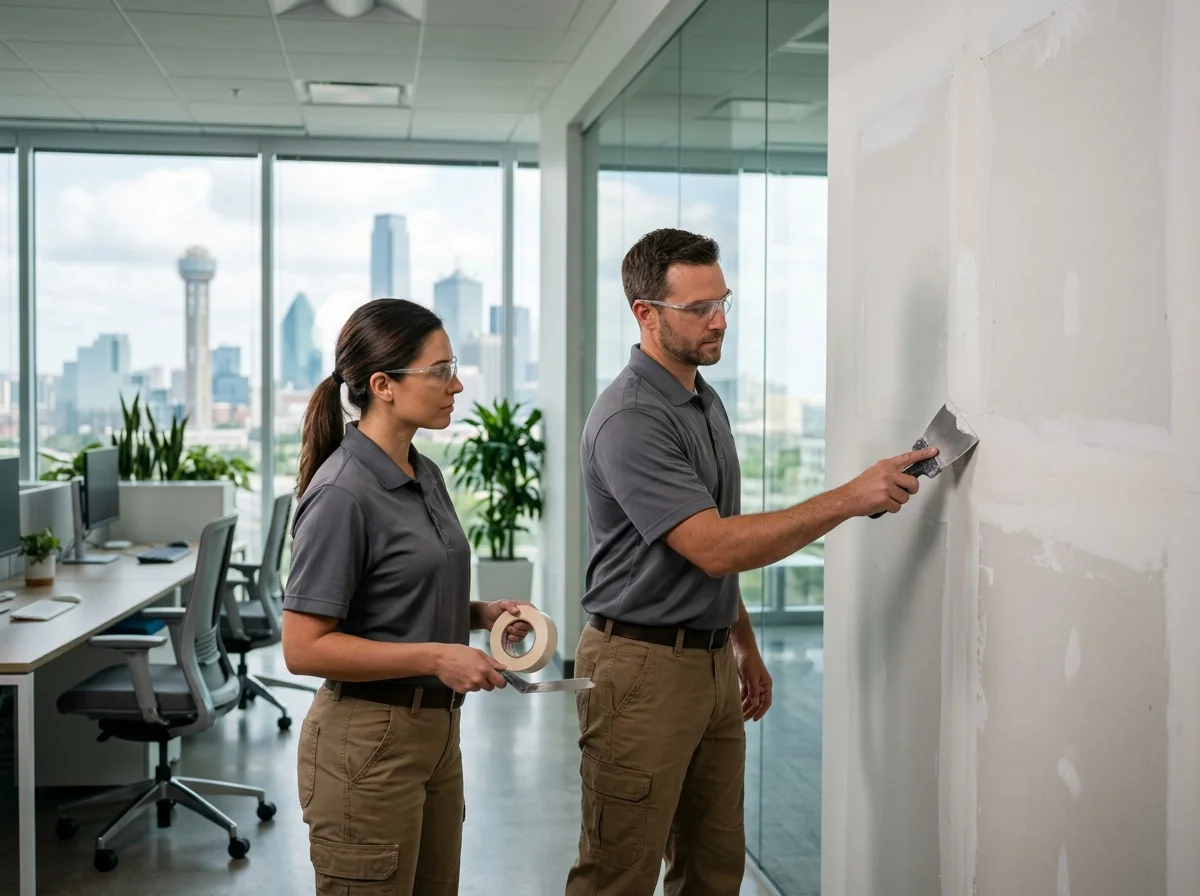
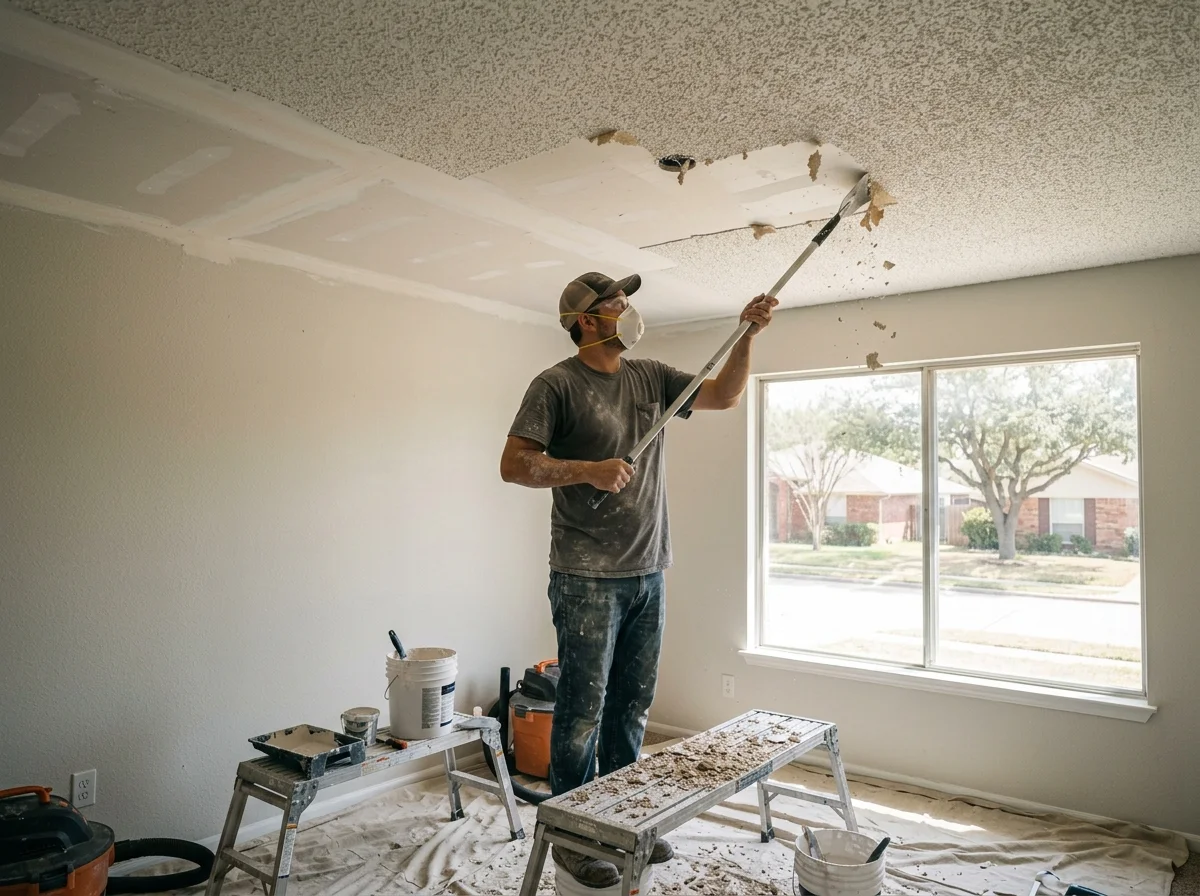
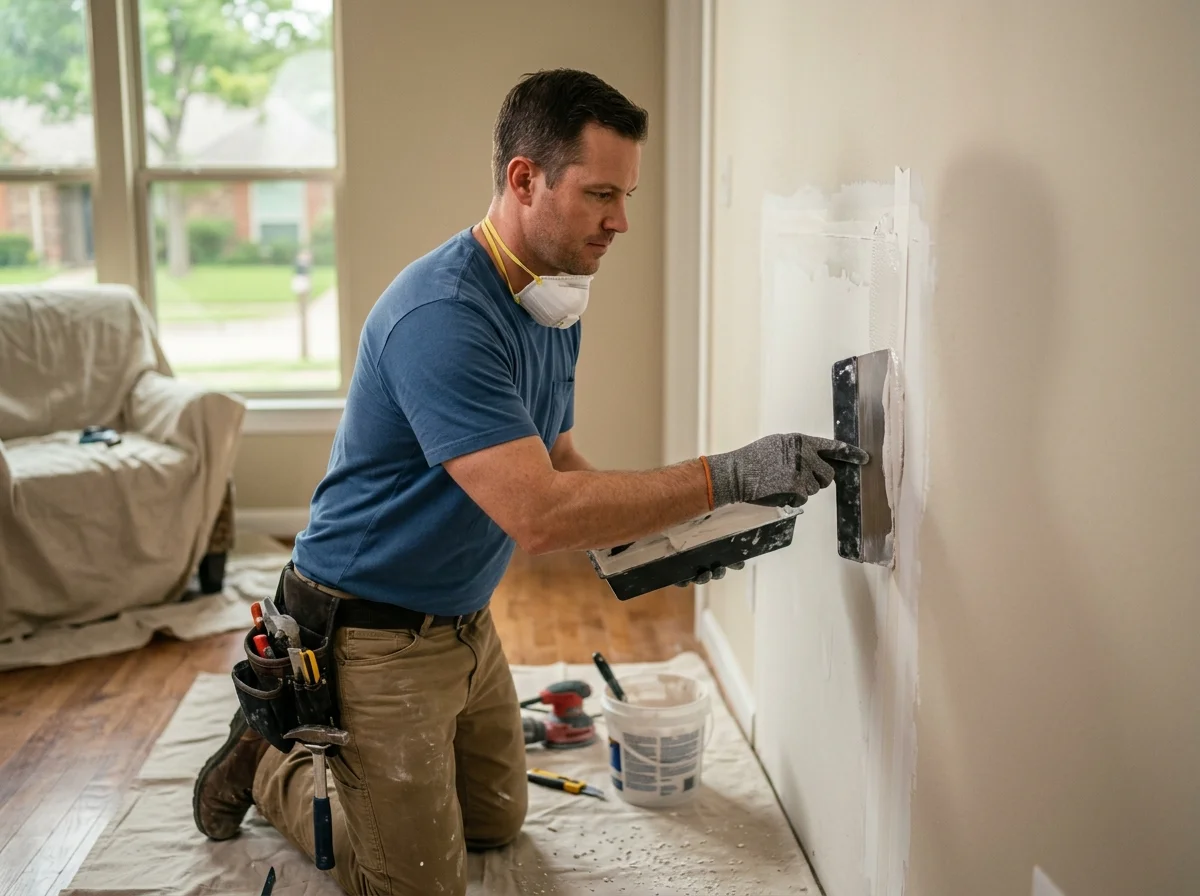
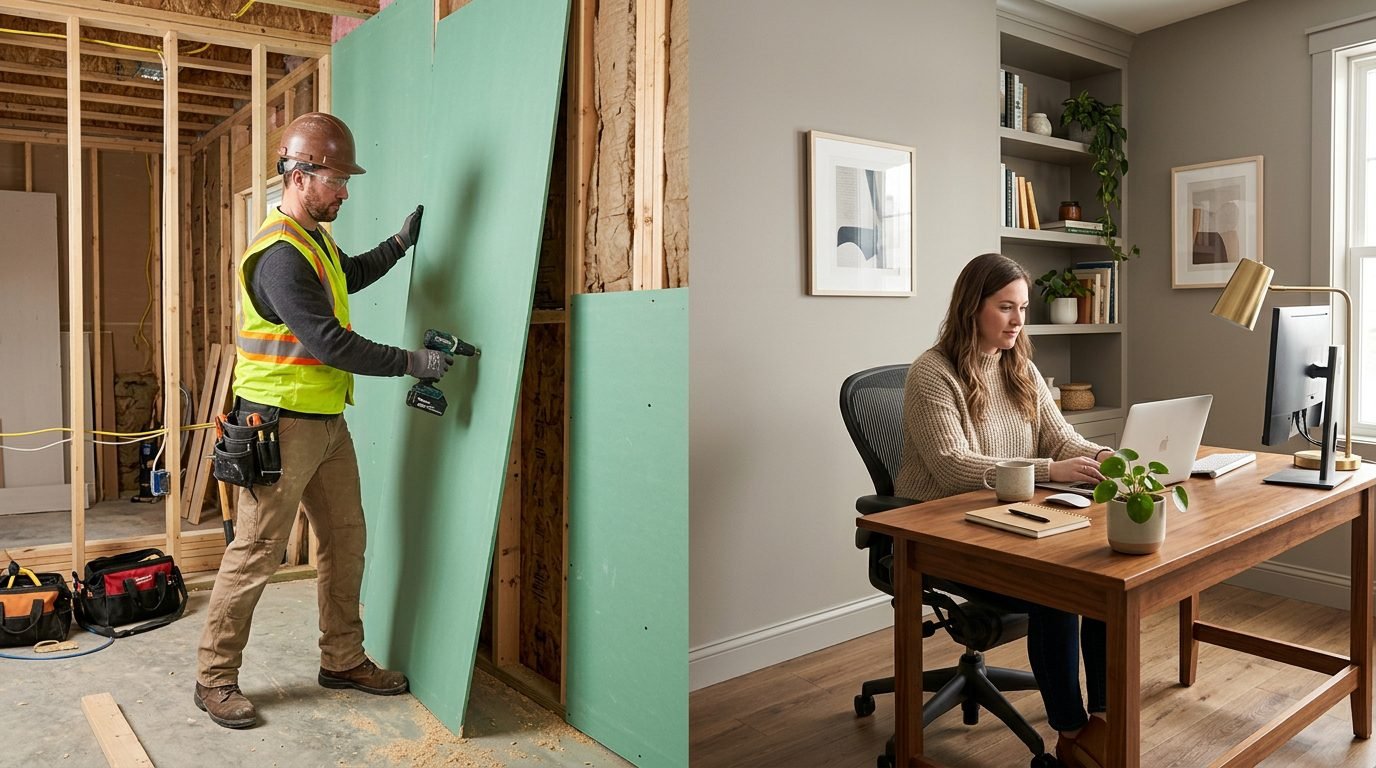
Installation is mostly the same across all drywall types. Panels get hung, seams taped, compound applied and sanded. Finishing is finishing.
The key differences:
Fire-rated drywall must be installed exactly according to code. Improper installation means it won’t meet its fire rating. If code specifies fastener spacing, fastener type, or specific sealing methods, those have to be followed. Your contractor needs to know this.
Moisture-resistant drywall doesn’t require special installation, but it shouldn’t be placed directly against water sources without waterproofing membranes. In shower enclosures, for example, moisture-resistant drywall goes behind a waterproof membrane (cement board or waterproof membrane), not directly against the shower.
Soundproof drywall works best with insulation behind it. That’s not special installation, just proper technique.
Any decent contractor knows how to work with specialty drywall. But if they don’t mention code requirements for fire-rated drywall, or proper positioning for moisture-resistant drywall, that’s a red flag.
Cost Breakdown: What You’re Actually Paying For
Fire-rated drywall: 10-20% more than standard. For a 500-square-foot room, that might add $100 to $300 in material costs.
Soundproof drywall: 20-40% more than standard. More expensive option. For significant soundproofing, you’re looking at real money, especially if you’re doing multiple rooms.
Moisture-resistant drywall: 10-25% more than standard. Cheapest specialty option.
Context that matters:
In a bathroom, upgrading standard drywall to moisture-resistant for a few panels? Maybe $50 to $100 extra. Cost of mold remediation if you skip it? $2,000 to $5,000+.
In a garage where code requires fire-rated drywall? You don’t have a choice. It’s required. Cost is what it is.
In a home office where you want sound dampening? Budget the extra cost. Is it worth it for your situation? That’s your call.
How to Choose What You Actually Need
Ask yourself these questions:
Fire protection needed? Check with your contractor and building department. If code requires it in specific areas, you’re using it there.
Noise a problem? Think honestly. Is this a space where sound matters? Home office, bedroom, media room? Or is it a guest bedroom where noise doesn’t matter?
Moisture in the space? Any bathroom, kitchen, or damp basement gets moisture-resistant drywall.
That covers most decisions. For anything else, ask your contractor what they recommend and why.
Frequently Asked Questions
Is fire-rated drywall required in homes?
Often, yes. Garages connected to living spaces usually require it. Some stairwells and mechanical rooms may require it too. Building codes vary by location. Always check with your local building department or contractor before starting. Getting this wrong means failed inspection and rework.
Will soundproof drywall make my room completely silent?
No. It reduces noise but doesn’t eliminate it. For best results, combine it with insulation inside the wall. Even then, some sound gets through. Professional sound studios use advanced techniques beyond just drywall. But soundproof drywall plus insulation makes a significant difference in noise transfer between rooms.
Is moisture-resistant drywall waterproof?
No. It handles humidity and light moisture better than standard drywall. It won’t grow mold easily. But it can’t handle standing water or constant direct water contact. For shower enclosures and areas with direct water, you need waterproof membranes or cement board on top of the moisture-resistant drywall.
Is purple drywall better than greenboard?
Purple drywall offers stronger mold resistance and better durability. Greenboard works fine in most home bathrooms. Use purple drywall in high-humidity areas (steam showers, heavily-used master baths) or basements with moisture issues. For a standard bathroom? Greenboard is fine and cheaper.
Does specialty drywall increase home value?
It can. Fire protection, mold resistance, and sound dampening add safety and comfort. Buyers value these upgrades, especially in newer homes or if the upgrades are visible (like a soundproofed home office or theater). But value depends on the local market and the specific upgrade.
Can I use standard drywall in a bathroom?
Not recommended. Bathrooms create high humidity. Moisture-resistant drywall prevents mold growth and wall damage over time. The extra cost is minimal. The protection is significant. Skip this upgrade and you’re risking expensive mold remediation down the line.