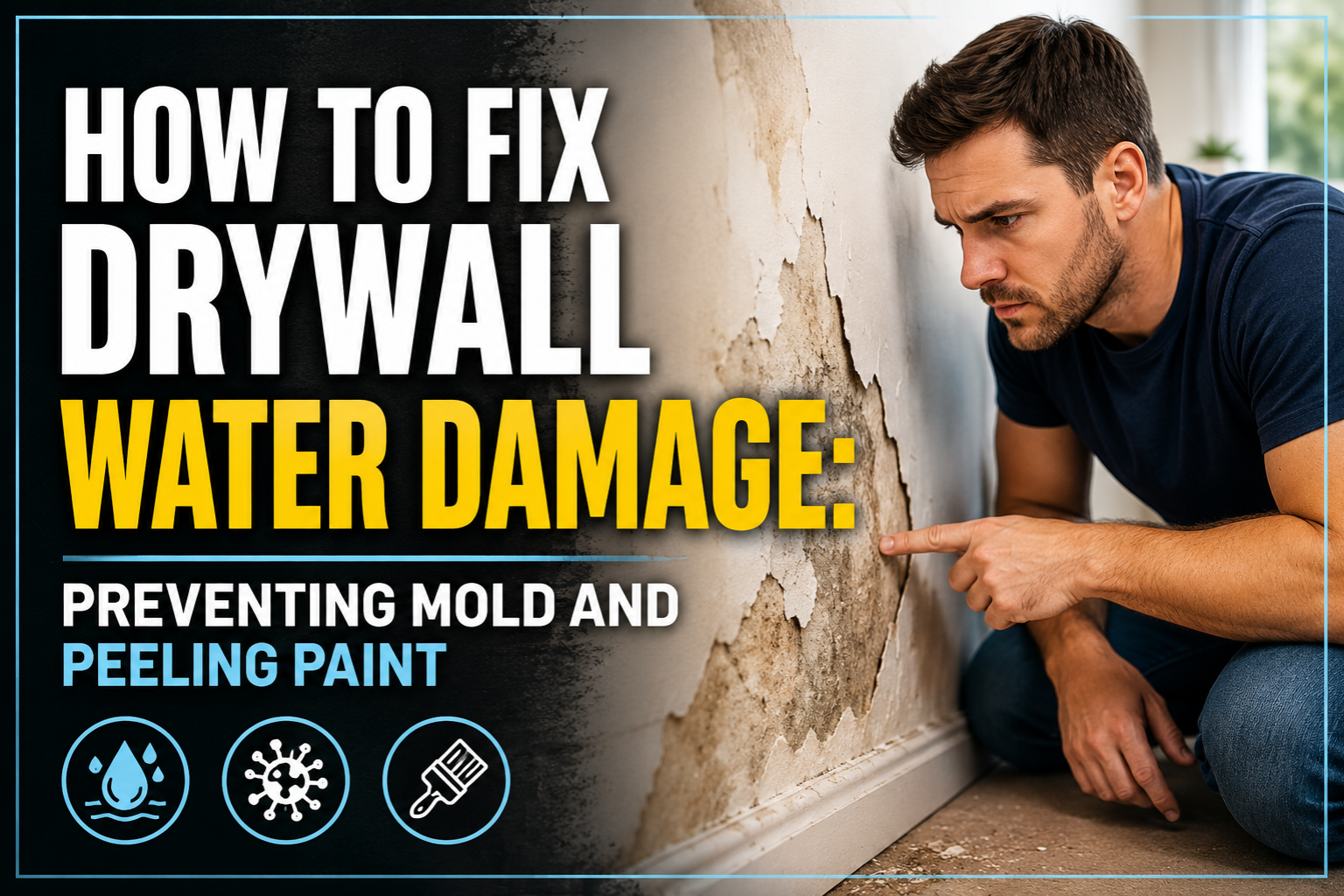
Water leaks hit fast and leave ugly marks on your walls. One day your ceiling looks fine. The next, you spot a brown stain spreading across the paint. That damp spot can quickly turn into bigger trouble if you ignore it. Families in McKinney and North Dallas see this after heavy rains or burst pipes. Catching drywall water damage early saves you money and stress.
Many homeowners try quick fixes that fail later. Paint over the stain and it comes back. Ignore the soft spots and mold starts growing behind the wall. Learning how to repair drywall the right way stops these problems before they spread through your home.
Understanding Drywall Water Damage
Water weakens drywall fast. The gypsum center absorbs the moisture in a sponge and then softens. There will be bubbling paint, sagging areas, or obvious staining. The signs indicate that water has reached the surface of the paper of the wall. Act quickly once you see damage. Leaks and standing water make perfect conditions for the growth of mold. The smell of musty may be present before you can see the fuzzy growth. A simple moisture gauge can identify damp areas that are hidden, even if the surface appears dry.
Finding the Source of the Leak First
Don’t cut drywall before you have stopped the flow of water. Be sure to inspect the roof, pipes, windows, and appliances to determine the source. A pipe that is leaking behind the wall or damage to the roof during storms is the most common problem with homes in our area. Get in touch with a plumber or roofer If you require. Repair the leak and allow the leak to dry for a few days. The rush to complete this task can lead to more repairs and greater repair costs for drywall in the future. A thorough leak inspection can prevent the same problem from recurring the next time.
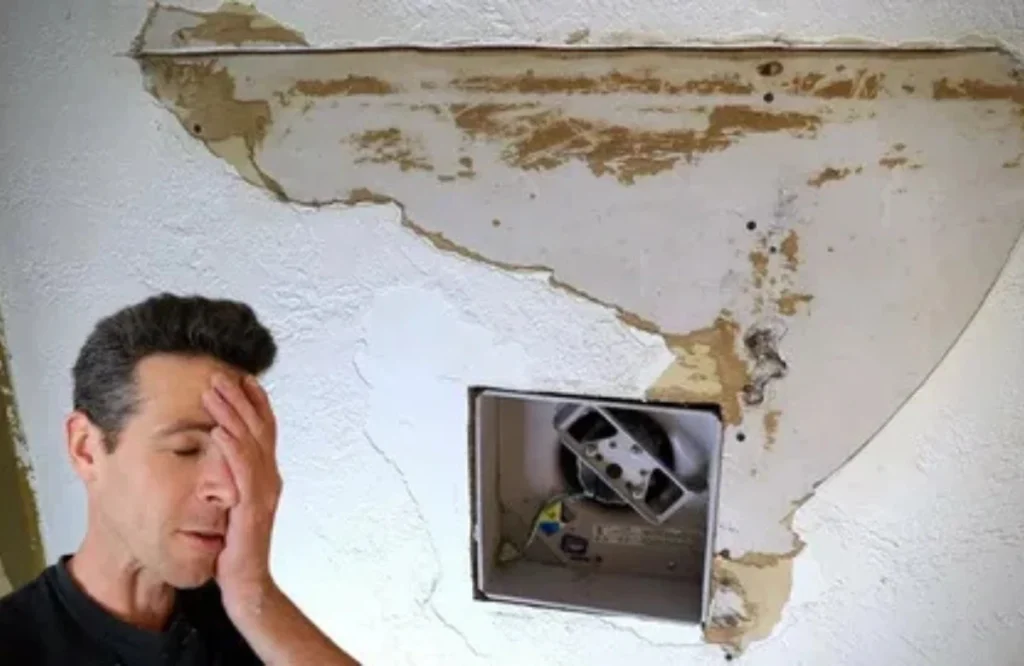
Safety Steps Before You Begin Repair
Use gloves, a mask and wear eye protection. The spores of mold travel through the air when you touch damp material. Use fans and open windows to boost the flow of air during your work. Shut off the power to all outlets in the vicinity of the damaged area for your own safety. Examine the wall for moisture before cutting. Drywall that feels damp requires additional time or a professional dehumidifier. Be patient and avoid securing moisture in the wall cavity.
How to Repair Drywall: Step-by-Step Process
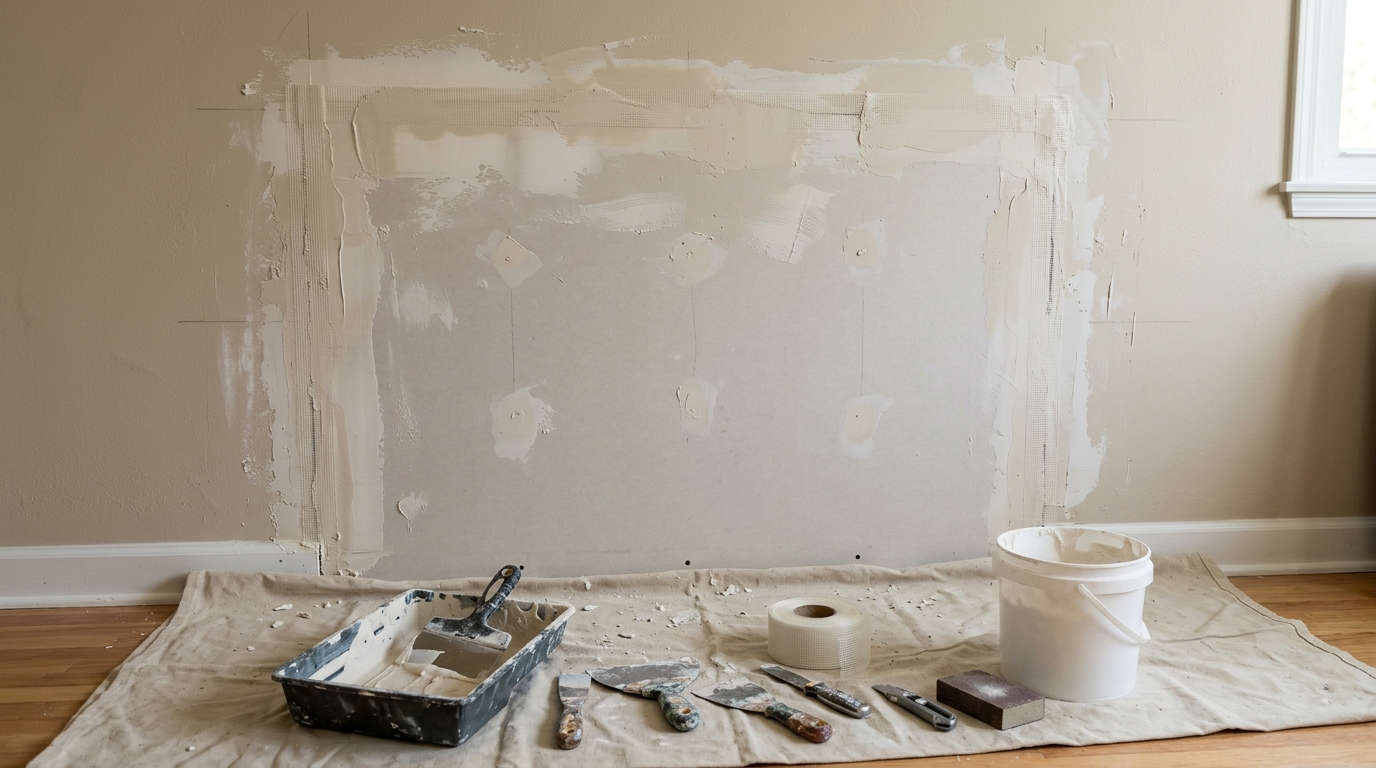
Remove all the damaged material using a sharp utility knife or the drywall saw. At minimum six inches beyond the stain’s visible line to get dry, solid edges. This provides you with a clear area to apply your new patches. Cleanse dust, debris and vacuum are removed from the opening. Inspect the cavity for any signs of mildew or mold. If you spot any, use a suitable mold removal product and let it completely dry according to the directions.
Creating a Strong Drywall Patch
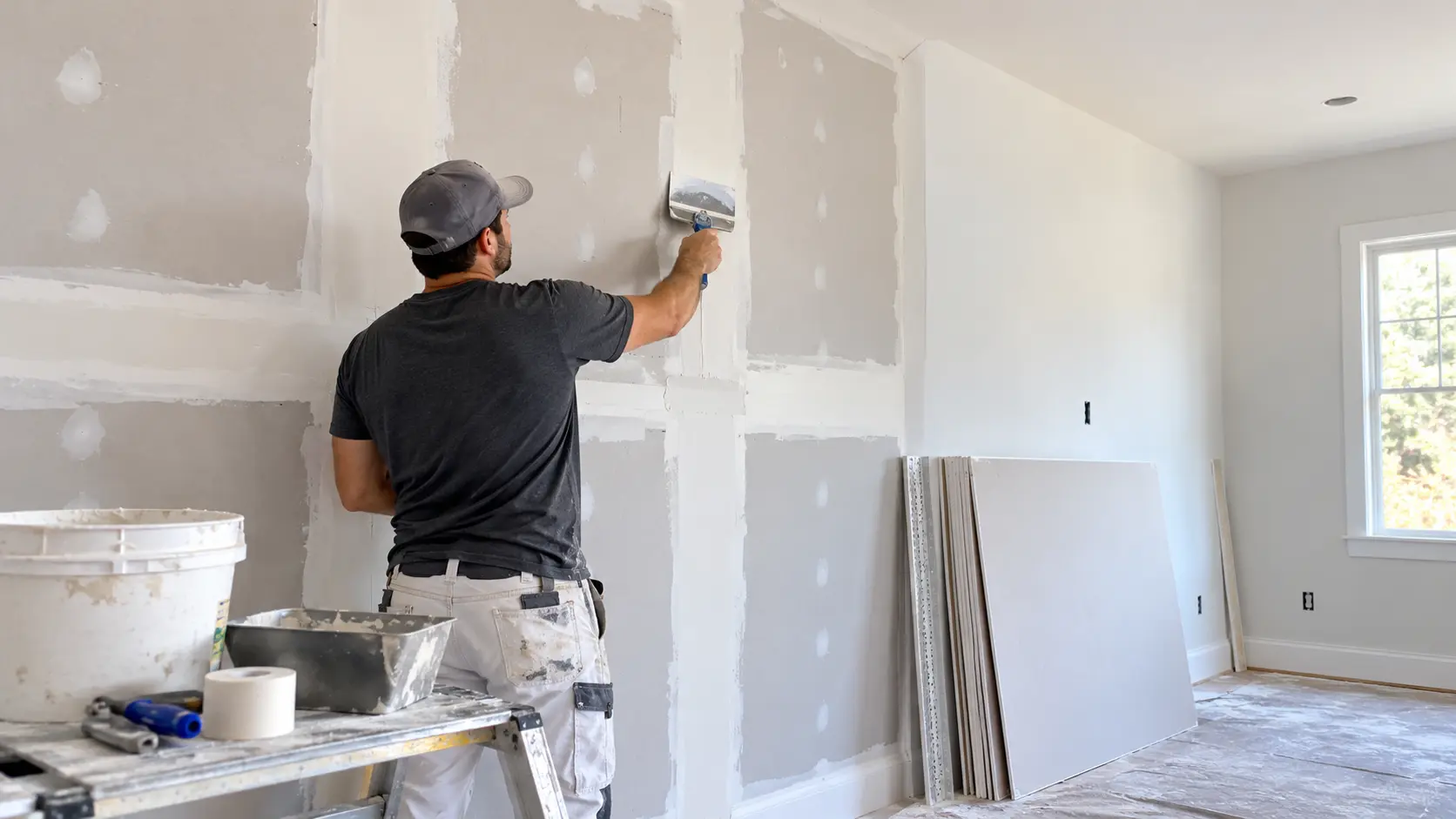
Take measurements of the hole to cut out a fresh piece of drywall that is slightly bigger. A lot of people utilize a drywall patch kit for tiny holes. To repair more extensive damage, you can install wooden backing strips to help support the new piece. Apply joint compound to the edges of your patch and then apply the patch of drywall into the desired position. Use nails or screws for drywall to fix it firmly. Allow the first coat to completely dry before adding the next layers. Smooth between coats to achieve an even finish.
Sealing Water Stains to Stop Peeling Paint
The stains in water will seep into the new paint, if you do not follow this step. Make use of a stain-blocking paint specially designed to protect against water damage. The products will hold in the discoloration, so your top coat appears fresh and clear. Paint two coats with primer. Allow them to dry. Select a premium interior paint that can withstand water. This protection is extra to stop future peeling paint repair requirements during hot North Texas summers.
Preventing Mold After Drywall Repair
Moisture control is crucial to long-term achievement. In bathrooms, exhaust fans should be used in kitchens and bathrooms. Make sure that there is a proper ventilation system in place to keep humidity in the home. A whole-house humidifier is helpful during the time of rain. Be sure to inspect ceilings and walls frequently after storms that are heavy. Make small adjustments before they turn into large drywall repair tasks. Habits that are good for your home keep it well-nourished and your walls sturdy.
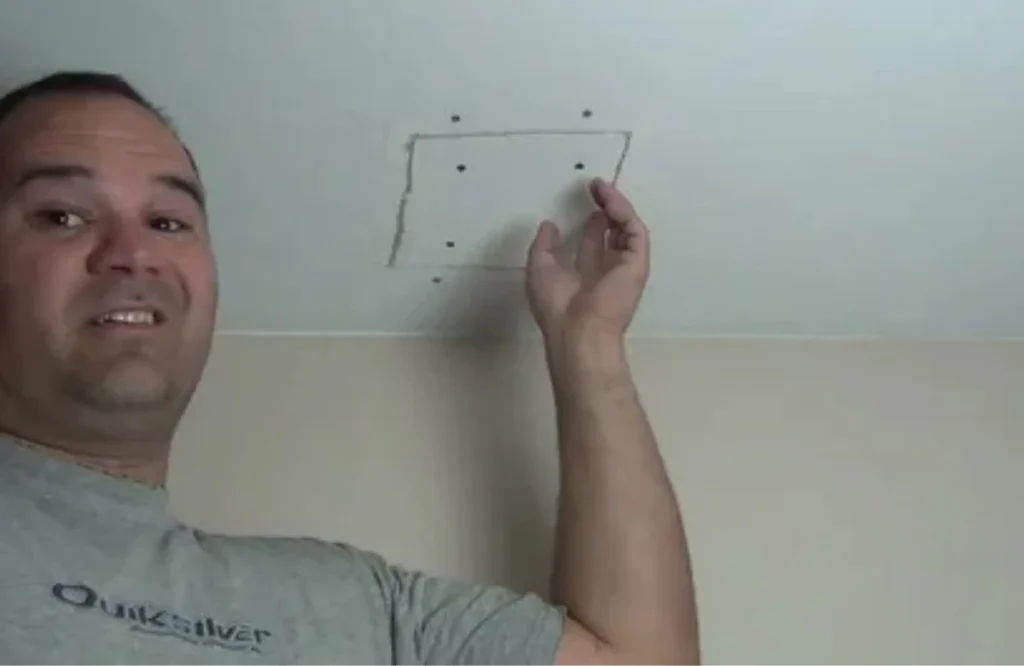
When to Call Professional Drywall Patching Services
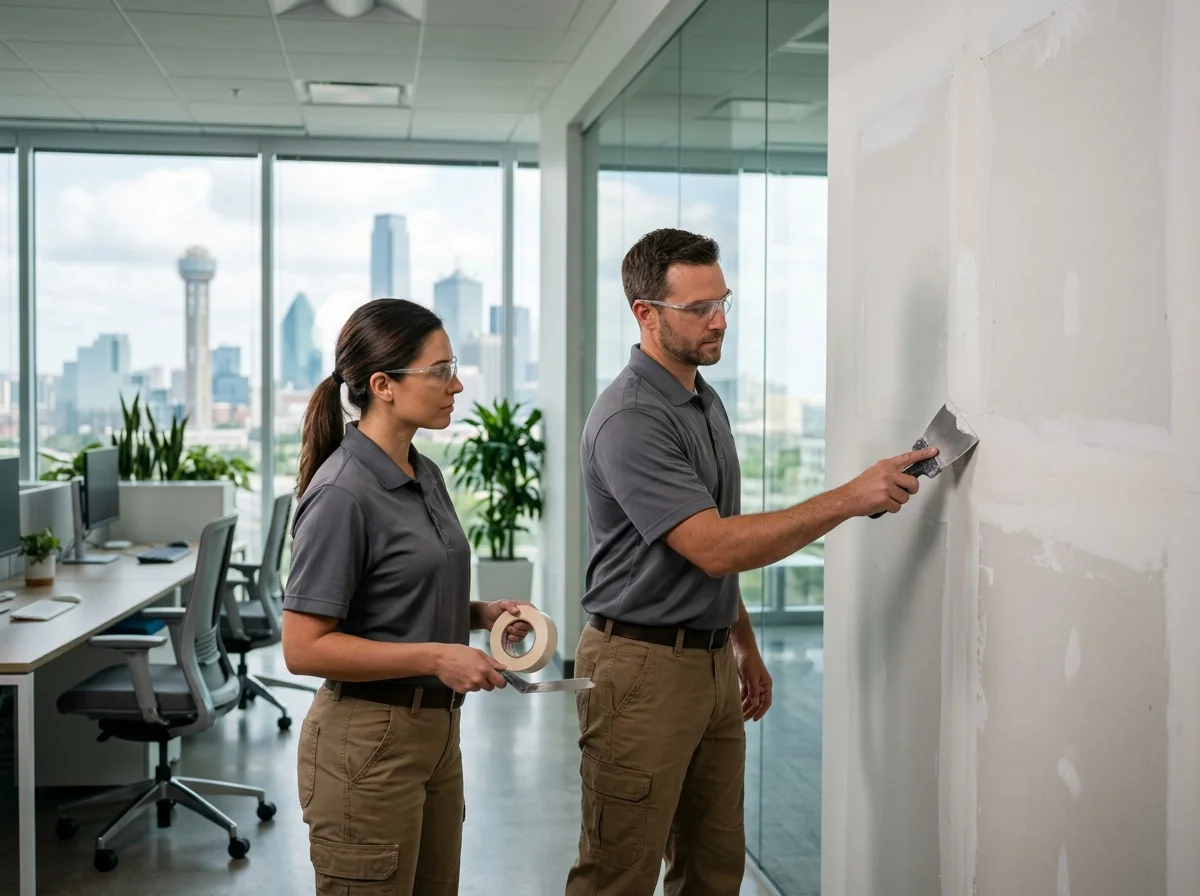
Certain jobs require expert assistance. The large size of holes, ceiling repairs or large-scale damage need the right tools and expertise. Professionals match texture precisely so that the repair is matched perfectly with the surrounding wall. Patch Pros of North Dallas can handle everything from small hole repair to complete room replacement of drywall. Our team is knowledgeable of the building codes in Texas and utilizes high-quality materials designed to withstand Texas climate.
Drywall Repair Cost Factors
Small patches typically cost less than structural fixes that are more extensive. The cost is based on the extent of the damage, if mold remediation is required and the amount of it will take to create the right texture for the job. Professional work is often cost-effective in the long run. DIY errors can lead to recurrent repairs and more expensive total costs. The best patching of drywalls will give outcomes that last for many years.
Maintaining Your Walls After Repair
Check the areas around pipes and windows each month. Clean up spills swiftly and clean up the problem of condensation that has formed on walls. These steps will help prevent potential problems in the future and safeguard any investment made by professional repairmen.Call or visit Patch Pros of North Dallas to get service today.
FAQs
How long does it take for drywall to dry after water damage?
It usually takes 3 to 7 days with good airflow and dehumidification. Heavy saturation or poor ventilation can extend this timeline significantly. Always test with a moisture meter before patching.
Can I paint over water stains without fixing the drywall?
No. The stain will return and the paint may peel. Proper water stain sealing and drywall repair give you a smooth, lasting finish that looks great.
Does mold always grow after drywall gets wet?
Not if you dry the area quickly. Mold starts within 24-48 hours in damp conditions. Fast action and good moisture control prevent most mold problems.
How much does professional drywall repair cost in McKinney?
Costs vary by damage size and complexity. Small patches run lower while larger water damage jobs with mold remediation cost more. Get a free assessment for exact pricing.
When should I replace the entire drywall sheet instead of patching?
Replace when damage covers a large area or affects multiple studs. Full replacement often creates a stronger, more uniform wall than multiple patches.