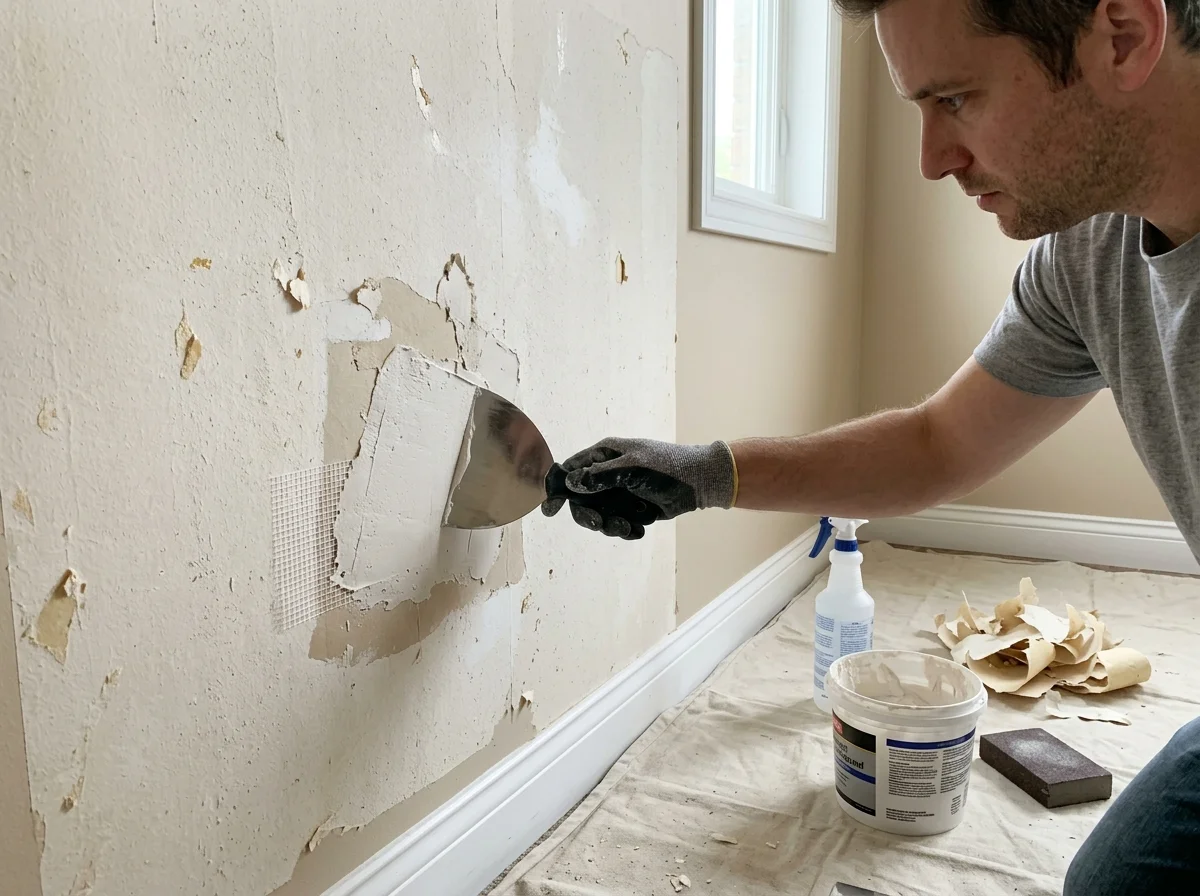
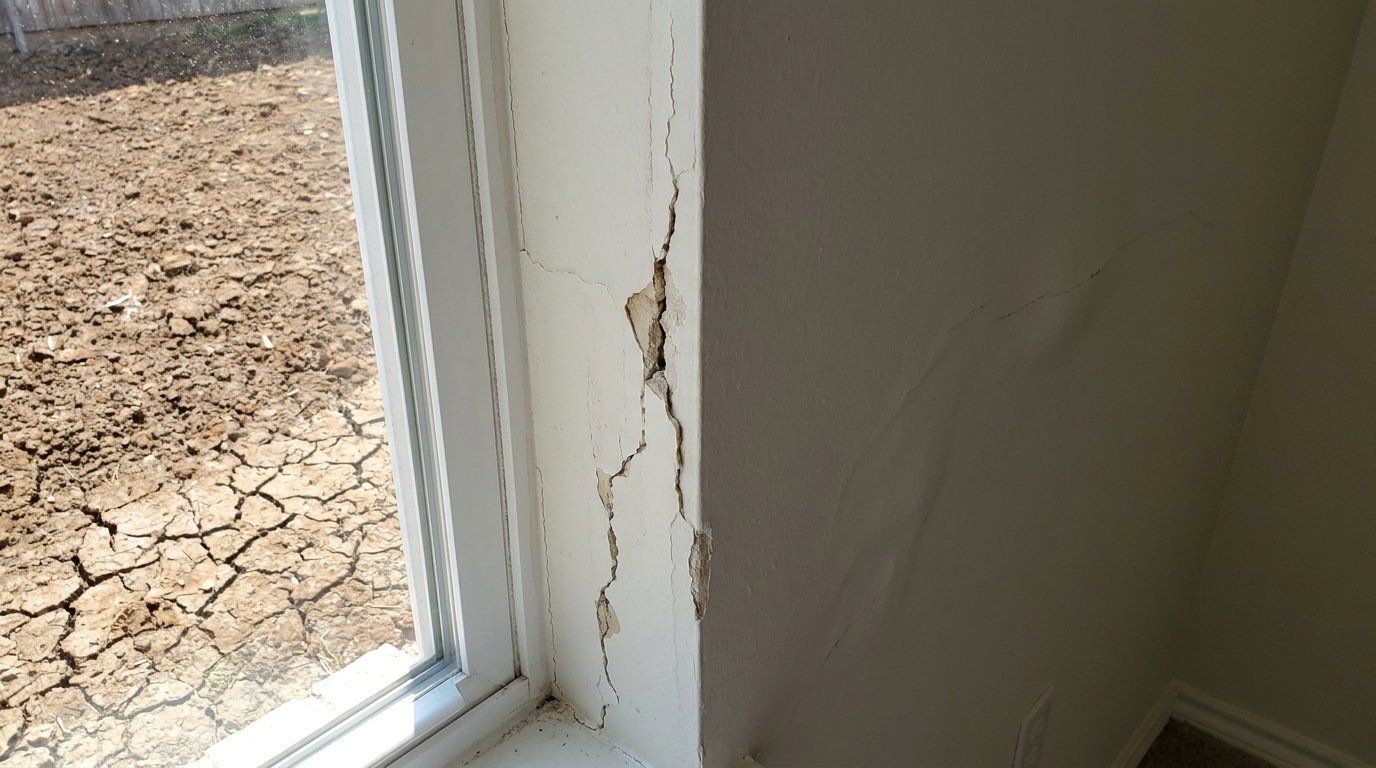
You patch a crack, sand it smooth, and paint the wall. A few months later, the same line shows up again. This can be frustrating, but it usually means the first repair did not deal with the full cause of the crack.
Homeowners looking at drywall cracks Plano TX should know that not every crack points to a major problem. Some come from weak drywall seams, loose tape, normal settling, or small changes in the wood framing. Others may be linked to movement in the home that needs to be checked before the wall is repaired again.
This guide explains why cracks return, which crack patterns need more attention, and how a lasting drywall repair is different from simply filling the visible line.
Why Do Drywall Cracks Keep Coming Back?
A crack often comes back because the drywall or framing behind it is still moving. Another common cause is a weak drywall joint that was covered instead of repaired.
Drywall sheets meet at seams. These seams are usually covered with joint tape and joint compound. If the tape becomes loose or the seam moves, a crack can form along the joint. Spreading fresh compound over the line may hide it for a while, but the crack can return if the loose tape or movement remains.
This is why repeated cracks need a little more investigation before another layer of filler is added.
For simple crack problems, our drywall crack repair guide explains how drywall joints and surface cracks are repaired.
Are Drywall Cracks Normal?
Some drywall cracks are normal and are mainly cosmetic. Small hairline cracks can form as a home settles or as wood framing changes slightly over time. Cracks can also show up where two drywall sheets meet or where a wall meets the ceiling.
A crack becomes more important when it keeps changing. A thin line that stays the same size for years is different from a crack that gets wider, longer, or comes back soon after repair.
It is also useful to look beyond the crack. New gaps, sticking doors, several cracks in one area, or movement around windows can give more clues about what may be happening.
What Causes Recurring Drywall Cracks in Plano Homes?
Recurring drywall cracks Plano homeowners see can have several causes. The most common ones include failed drywall tape, normal framing movement, settling, poor past repairs, and movement at wall or ceiling joints.
The repair method depends on the cause. If the tape has failed, the damaged tape may need to be removed and replaced. If the crack is caused by movement at the joint, simply filling the line may not be enough.
The location also matters. A crack at a door corner may behave differently from one running along a ceiling seam. That is why a contractor should look at the pattern, not only the width of the crack.
Can Foundation Movement Cause Drywall Cracks?
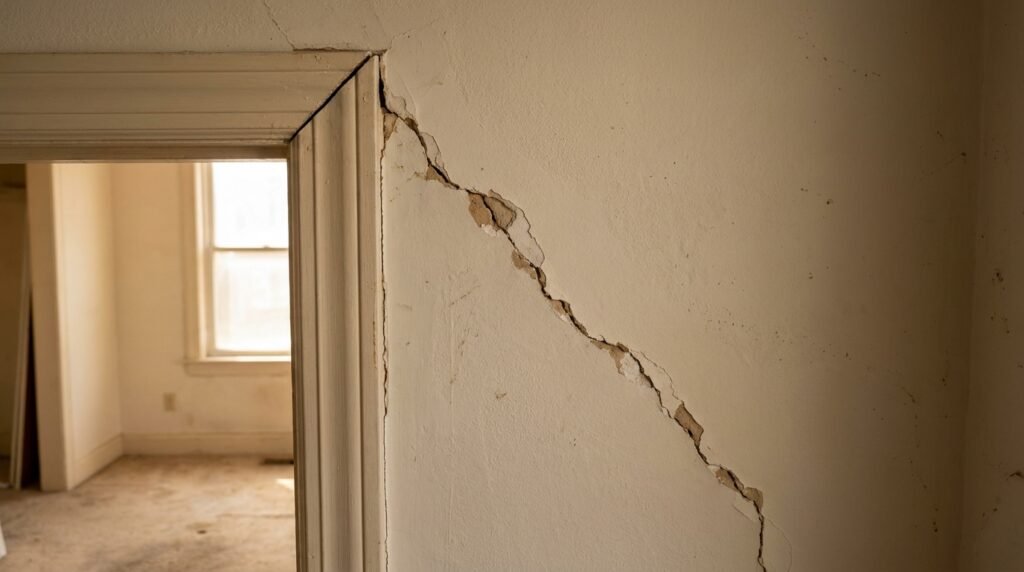
Yes, foundation movement can lead to cracks in drywall. When part of a foundation moves, the framing above it may shift as well. That stress can show up in walls, ceilings, doors, and window openings.
However, foundation movement drywall cracks are only one possible cause. A drywall crack alone cannot prove there is a foundation problem. Loose tape, framing changes, poor finishing, and normal settling can create similar marks.
The best clue is the full pattern. If several cracks appear along with sticking doors, uneven floors, or other changes around the home, it may be wise to have the structure checked before repairing the drywall.
Patch Pros’ Plano service page lists cracks, nail pops, and other wall damage among the local repair problems it handles.
What Are Settlement Cracks in Drywall?
Settlement cracks can form when a house makes small changes after construction or as materials adjust over time. These cracks often appear around drywall seams, door openings, window corners, or other weak points in the finished wall.
Small settlement cracks are not always a reason for concern. The key is whether they stay small and stable.
A crack that closes and opens, grows wider, or keeps returning after repair may have another cause. It may be linked to a weak seam or movement that is still active. In that case, the wall should be checked before the crack is filled again.
What Types of Drywall Cracks Should You Watch?
The shape of a crack can help you understand where the stress may be coming from. It does not give a final diagnosis, but it can show which areas deserve a closer look.
Hairline Cracks
Hairline cracks are thin and often appear along seams or corners. They may come from small amounts of settling or from joint compound that has cracked over time.
If the line stays small and does not return after a proper repair, it may be only a finish problem. If the crack keeps opening in the same place, the tape or seam below it may need to be rebuilt.
Vertical Cracks
A vertical crack may follow a drywall seam from the ceiling toward the floor. When this happens, the problem may be related to the joint rather than the wall itself.
Vertical cracks near doors and windows deserve more attention when they grow or appear with other signs of movement. The crack direction alone does not tell you how serious the issue is.
Diagonal Cracks
Diagonal cracks often appear near the upper corners of doors and windows. These areas can collect stress because the wall has an opening in it.
A short, thin diagonal line may still be cosmetic. A crack that keeps growing or appears around several openings should be looked at more closely before it is patched.
Ceiling Cracks
Ceiling cracks Plano homeowners notice may follow drywall seams or run where a wall meets the ceiling. Some come from joint tape failure. Others can form as roof framing or ceiling framing moves.
Building Science Corporation explains that wood movement and truss uplift can place stress on drywall corners and ceiling joints, which may lead to cracking.
The location and timing of the crack can help show whether it is a drywall joint issue or part of a larger movement pattern.
Why Do Drywall Cracks Form Above Doors and Windows?
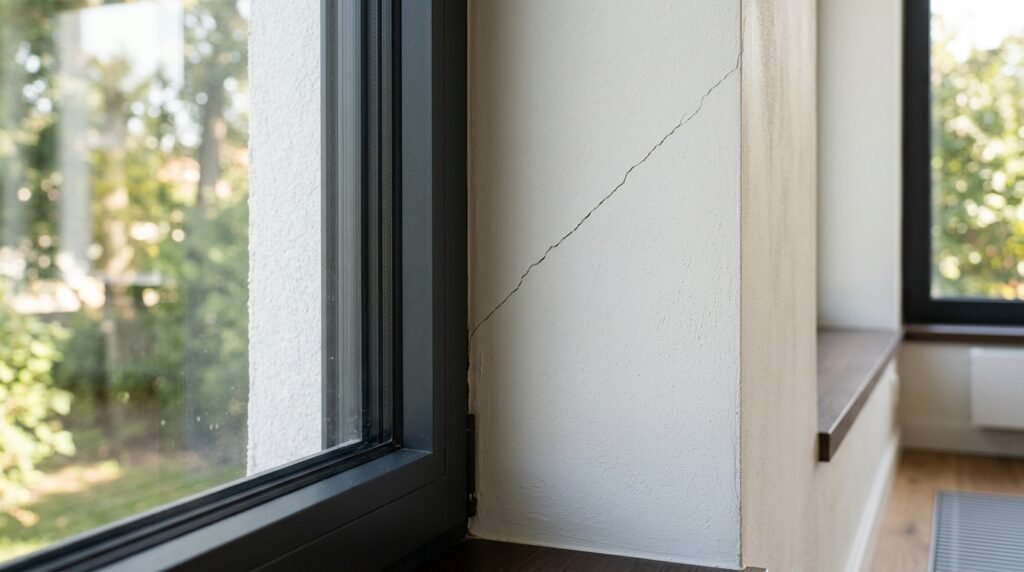
Doors and windows create openings in a wall. These openings can become stress points when framing moves even a small amount.
A common crack starts at the upper corner of a door or window and moves upward at an angle. This can happen because of normal framing movement, settling, or stress coming from another part of the home.
If only one small crack appears and the door or window still works well, the problem may be limited to the finish. If several openings begin to crack while doors start sticking, it is worth checking the cause before doing cosmetic repairs.
Why Do Drywall Seams Keep Cracking?
Drywall seams can crack when the tape becomes loose, the joint was not finished well, or the framing behind the seam moves.
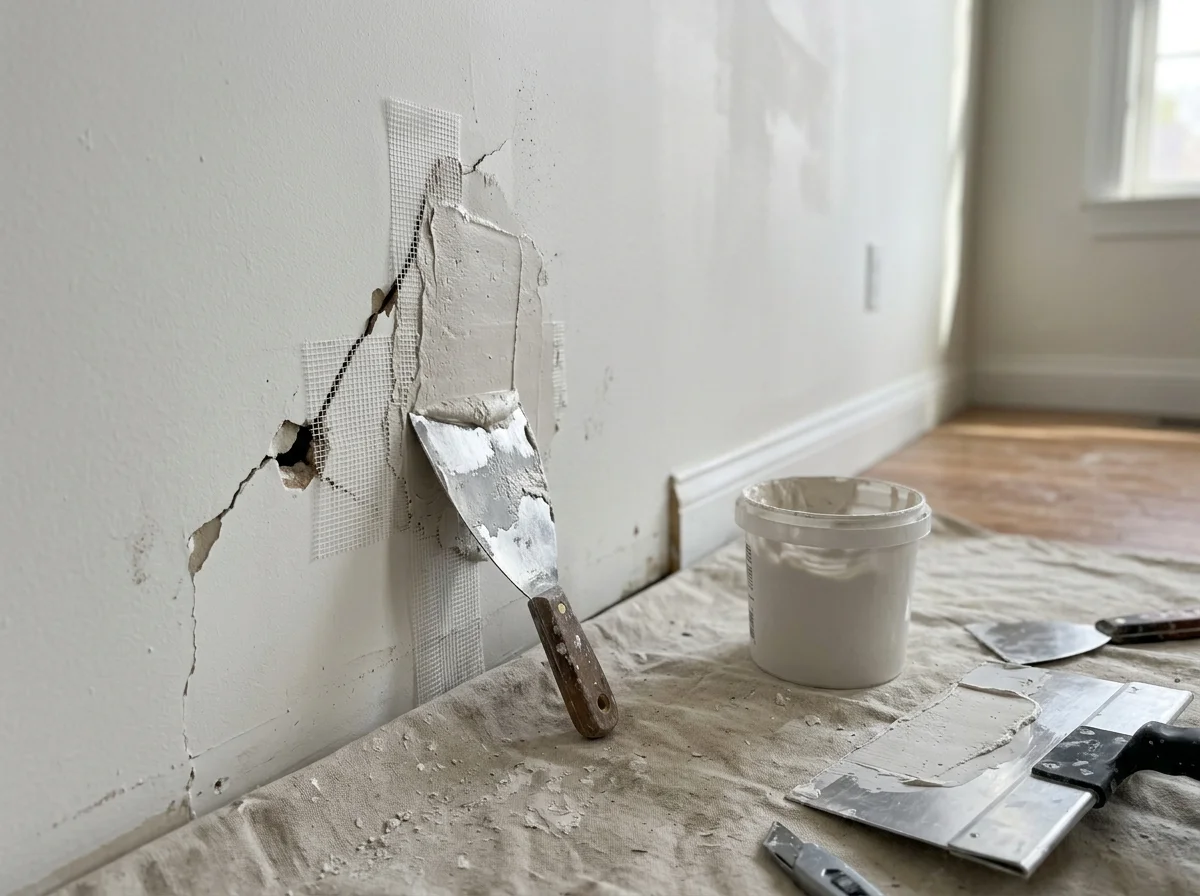
A poor repair often covers the crack with fresh joint compound but leaves the damaged tape underneath. Once the wall moves again, the line returns through the new finish.
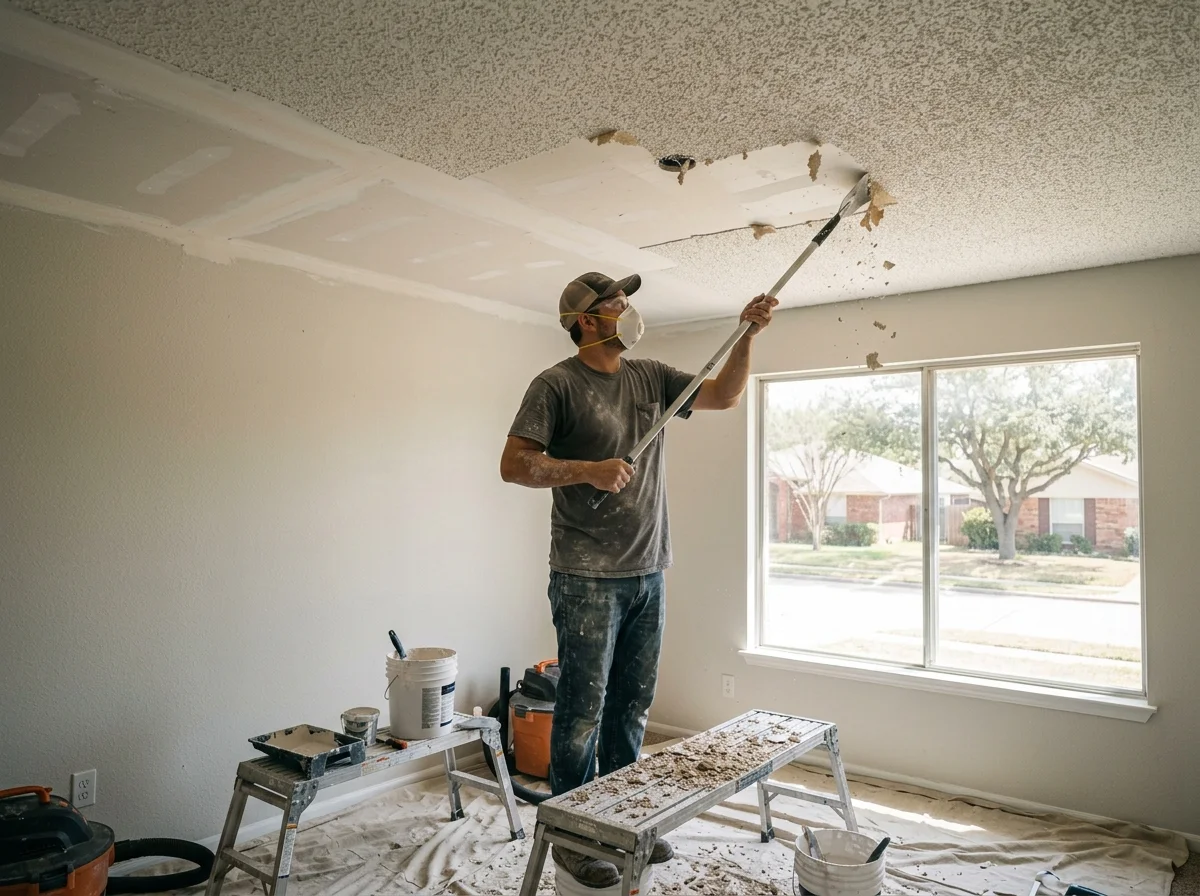
A better repair may require opening the seam, removing loose tape, adding new tape, and applying fresh joint compound over a wider area. The repair is then sanded and matched to the wall texture.
That takes more work than filling a line, but it deals with the weak part of the seam.
Can Seasonal Changes Make Drywall Cracks Return?
Yes. Wood framing can change slightly as moisture levels change through the year. These small changes may put stress on drywall joints, corners, and ceiling connections.
Seasonal cracks may appear at certain times and become less visible later. Ceiling-to-wall cracks can sometimes be linked to movement in roof trusses. Building Science Corporation notes that changes in wood framing can cause drywall cracking when the drywall is fixed tightly across areas that move differently.
If a crack follows the same seasonal pattern each year, tell the drywall contractor. That detail may help explain why earlier repairs did not hold.
When Should You Worry About Drywall Cracks?
A crack deserves more attention when it is growing or when several other changes appear at the same time. The goal is not to panic over every line in the wall. It is to notice patterns that may point to more than a drywall finish problem.
Watch for signs such as:
- Cracks that keep getting wider
- Several new cracks appearing together
- Diagonal cracks around doors or windows
- Doors that start sticking
- Windows that become harder to open
- Cracks that return soon after repair
- Gaps between walls and ceilings
- New cracks along several rooms
- Floors that feel different along with new wall cracks
If these signs appear together, the drywall should not be the first thing covered up. The possible source of movement should be checked before the finish is repaired.
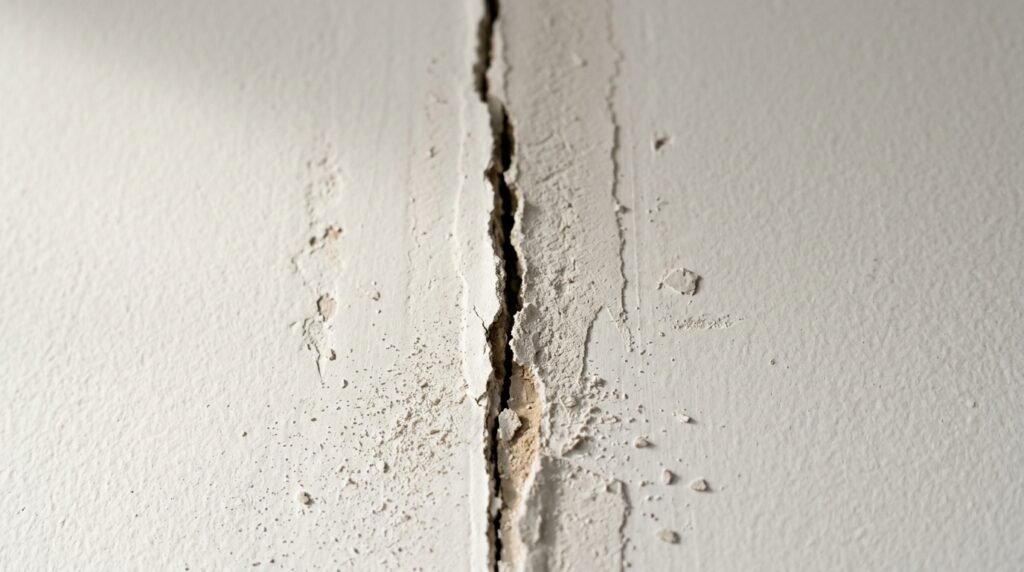
Why Does the Same Drywall Crack Keep Opening?
When drywall keeps cracking in the same spot, something in that spot may still be weak or moving. The joint tape may have failed, the framing may be shifting, or the first repair may have been too shallow.
Filler alone works best for small, stable surface damage. It does not always work well on a seam that moves.
For wall cracks Plano TX homeowners keep seeing in the same place, the old repair may need to be removed so the contractor can see the drywall joint below. Rebuilding the joint gives the new finish a better base and lowers the chance of another quick failure.
Can You Fix a Recurring Crack With Joint Compound Alone?
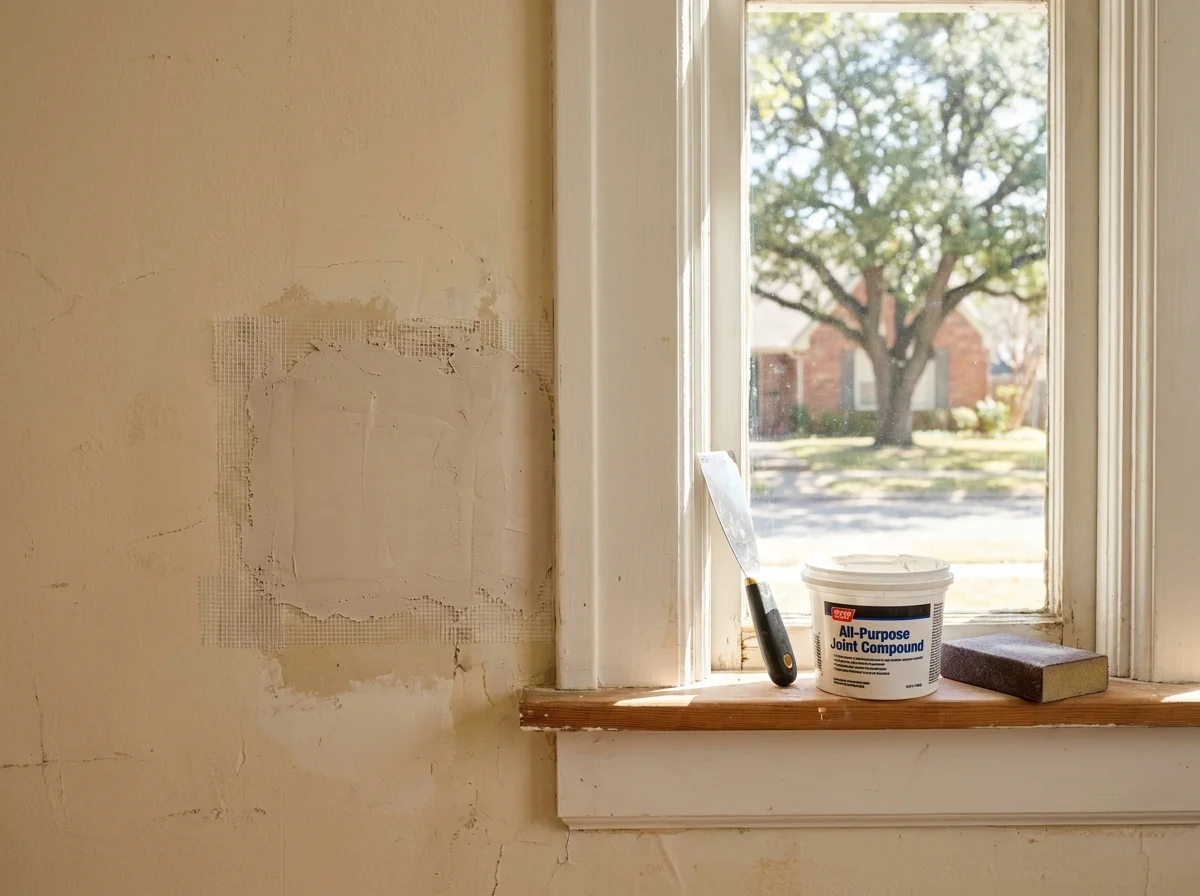
Sometimes, but not always. Joint compound works well when the crack is small and the seam below it is still solid. If the tape is loose or the joint moves, compound by itself may crack again.
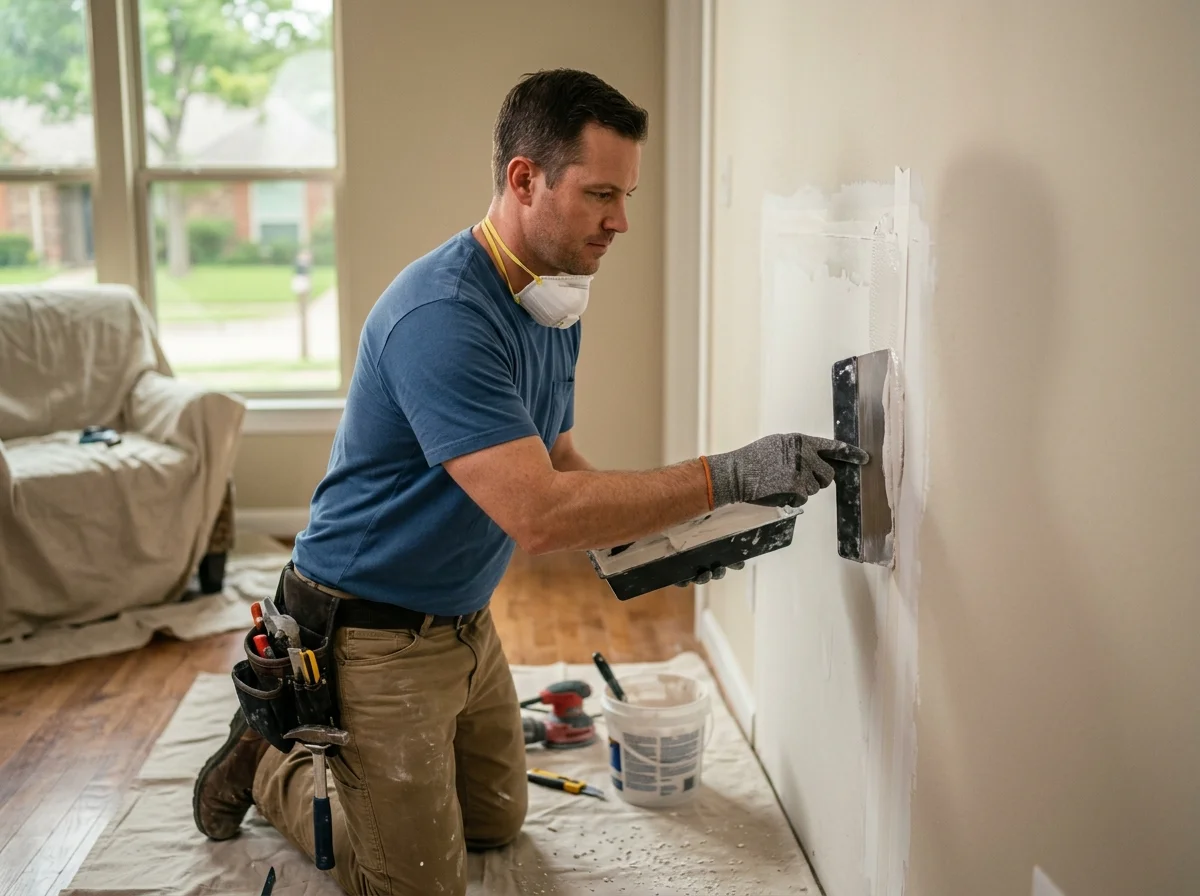
A stronger repair may need new tape. The old loose material is removed, the seam is cleaned, and new tape is placed over the joint. Several thin coats of compound are then used to blend the repair into the wall.
For larger or repeated damage, Patch Pros offers drywall patchwork for cracks, holes, seams, and other damaged areas.
What Is Truss Uplift, and Can It Crack a Ceiling?
Truss uplift happens when parts of a wood roof truss change with moisture and move in a different way from the walls below. This movement can pull on drywall near the top of an interior wall.
The crack often appears where the ceiling meets the wall. It may also seem worse during one part of the year and less visible during another.
Building Science Corporation describes this problem and explains that allowing drywall to move near the corner can help prevent cracks caused by truss movement.
Truss uplift is only one possible reason for ceiling cracks, so the crack pattern should be checked before choosing a repair.
Should Foundation Problems Be Fixed Before Drywall Repair?
Yes, if there is an active foundation issue, it should be dealt with before the final drywall repair. Otherwise, movement may reopen the wall after it has been patched and painted.
A drywall contractor repairs the finished wall. A foundation contractor or structural engineer deals with the structure below it. These are different jobs.
If the home has signs that point beyond the drywall, it may make sense to have the structure checked first. Once the movement is stable, the drywall can be repaired and finished.
That order helps avoid paying to repair the same crack twice.
How Is a Recurring Drywall Crack Repaired?
The first step is checking the old repair and the drywall around it. Loose compound or tape may need to come off. The contractor can then see whether the joint below is firm enough to repair.
A proper repair may include new tape, joint compound, sanding, texture matching, and paint prep. Wider finishing around the crack can help the repair blend into the wall.
Patch Pros provides Plano drywall services for cracks, nail pops, wall damage, ceiling repairs, and texture matching.
The goal is not only to hide the crack. It is to repair the weak area and leave the wall ready for a clean finish.
Frequently Asked Questions
Why do drywall cracks keep coming back?
A crack may return because the joint is still moving, the tape has failed, or the first repair only covered the surface. The weak seam may need to be opened and rebuilt before the finish is applied again.
Are recurring drywall cracks a foundation problem?
Not always. Foundation movement can cause cracks, but so can failed drywall tape, framing movement, seasonal changes, or poor repairs. Look at the full pattern before deciding what caused the crack.
Are vertical cracks in drywall serious?
A vertical crack may simply follow a drywall seam. It deserves more attention if it grows, appears around several openings, or shows up with sticking doors or other changes in the home.
Why does drywall crack above a door?
Door corners are common stress points. Small changes in the framing can place stress on the drywall around the opening and create a diagonal or vertical crack.
Can ceiling cracks come from roof trusses?
Yes. Movement in roof trusses can place stress on drywall where ceilings meet interior walls. The crack may also change with the season.
Can drywall tape stop a crack from coming back?
Tape can help when the drywall joint is the problem and the seam is repaired correctly. Tape will not stop a crack caused by movement that is still active behind the wall.
Should I fix the drywall before foundation work?
If a foundation issue is still active, the structural work should normally come first. Once the home is stable, the drywall can be repaired and finished.
When should I call a professional for drywall cracks?
Call for help when a crack keeps returning, runs across a large area, affects a ceiling, or needs new tape and texture work. If other signs of movement are present, the structure may need to be checked first.
Get Drywall Crack Repair in Plano, TX
Recurring drywall cracks Plano homeowners deal with are often more than a simple filler job. The crack may come from loose tape, a weak seam, seasonal framing changes, or movement elsewhere in the home.
The best repair starts by finding out why the crack returned. Once the wall or ceiling is stable, the damaged joint can be rebuilt, finished, and matched to the surrounding surface.
If you need drywall crack repair Plano, you can request an estimate from Patch Pros of North Dallas and send photos of the damaged area.