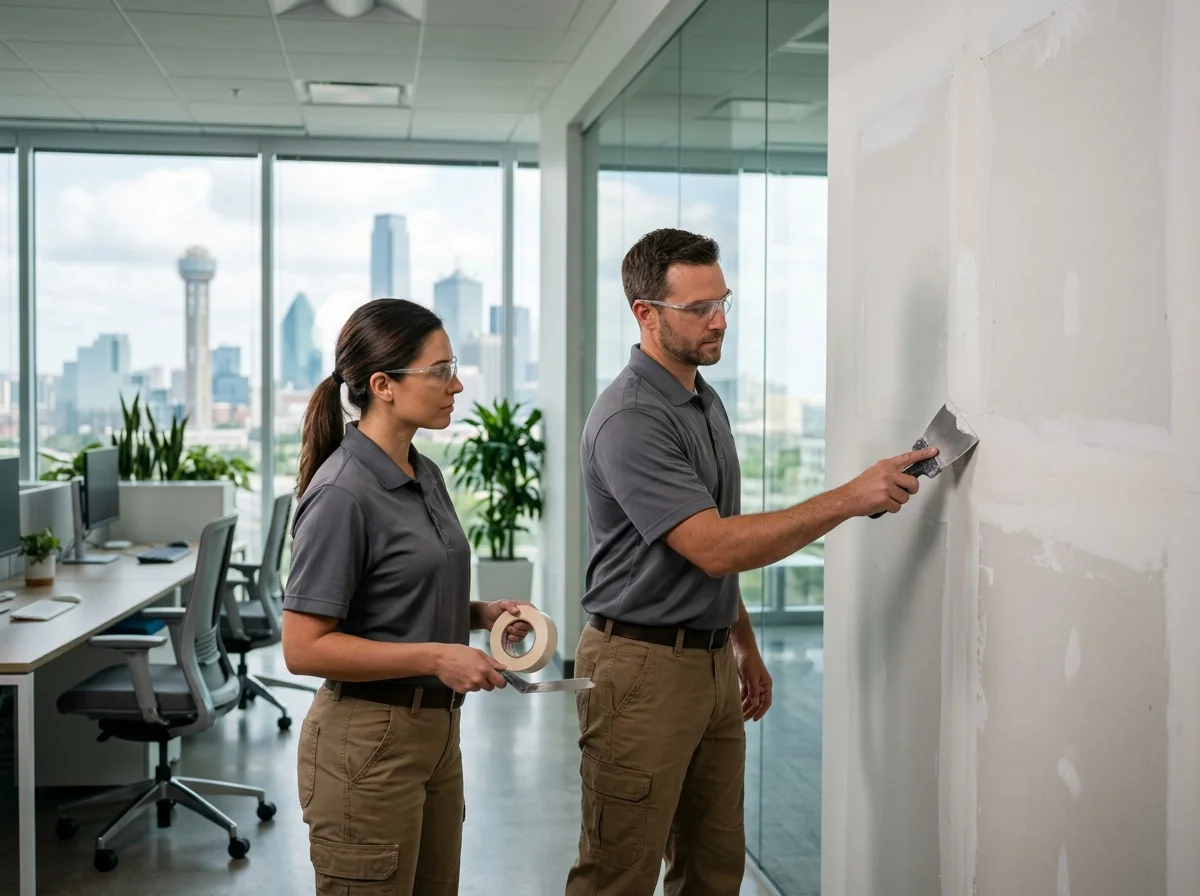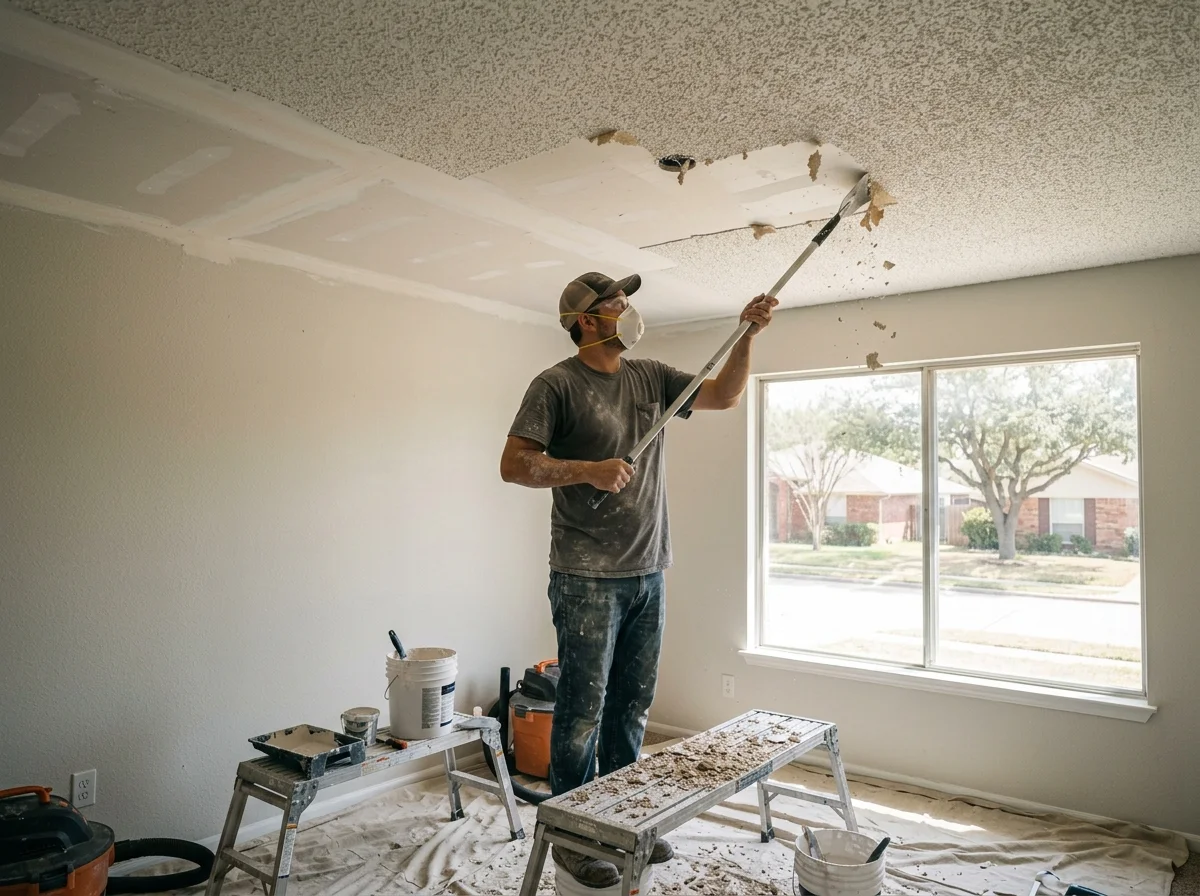
A plumber finds a leaking pipe behind your wall. An electrician needs to reach wiring inside it. The repair gets done, but now you are left with a large opening in the drywall. Homeowners are often unsure who should fix that part.
In most cases, the plumber or electrician handles the pipe or wiring, while a drywall contractor repairs the wall after their work is complete. If you need drywall repair after plumbing Dallas, the key is to make sure the trade work is finished before the access hole is closed.
This guide explains who normally repairs the opening, when drywall work can begin, and how the patch is blended back into the wall.
Who Repairs the Wall After Plumbing Work?
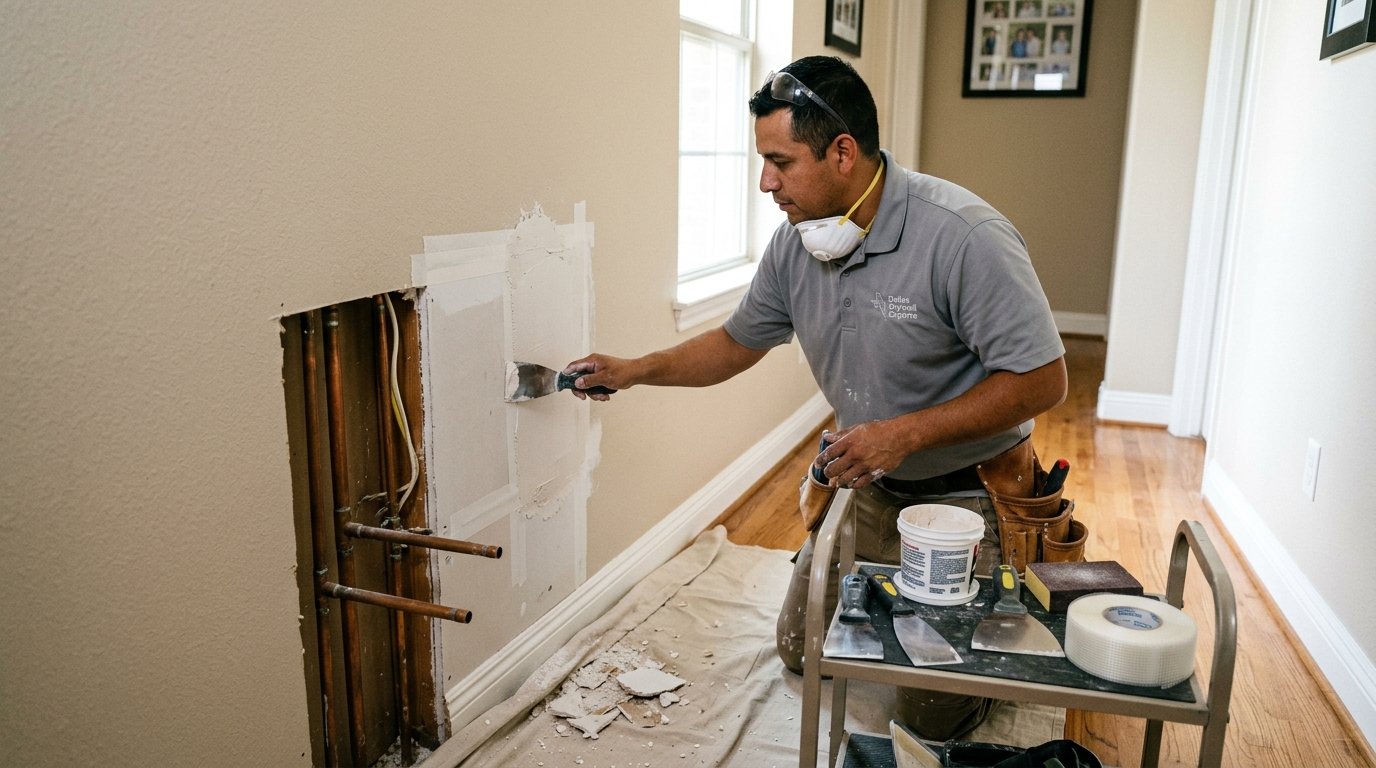
A drywall contractor normally handles the wall once the plumbing work is complete. Plumbers need access to pipes, valves, drains, and fittings, so cutting drywall may be part of reaching the problem. Their main job is fixing the plumbing system.
The same idea applies to many electrical jobs. An electrician may need to open part of a wall to reach wiring, add a circuit, move an outlet, or work near a panel. Once the electrical work is done, the wall still needs to be closed and finished.
Patch Pros of North Dallas provides drywall repair and patchwork across Dallas and nearby areas.
Does a Plumber Usually Repair the Drywall Too?
Not always. Some plumbing companies may offer small wall repairs, but many focus only on plumbing. Their job may end once the leak, pipe, drain, or other plumbing problem is fixed.
That is why drywall repair after plumber visits often becomes a separate job. A drywall contractor can focus on fitting the patch, rebuilding the seams, sanding, and matching the wall finish.
It is useful to ask the plumber before work starts. Find out if they will close the opening or if you need to arrange the drywall repair yourself. Knowing this early can help you plan the next step without leaving the wall open longer than needed.
When Can Drywall Repair Start After a Plumber Finishes?
The drywall should be closed only after the plumber confirms that access is no longer needed. Any leak should also be fixed before new drywall covers the area.
This is very important after pipe or water repairs. If the wall cavity is still damp, it may need time to dry before it is closed. Wet insulation or damaged drywall around the opening may also need to be removed.
For wall repair after plumbing work, ask the plumber if the repair has been tested and if they are finished inside the wall. Once the plumbing is complete and the area is ready, the drywall contractor can begin.
If the original problem involved a leak, our water damage guide explains what should be checked before damaged drywall is closed.
Why Do Plumbers Cut Large Holes in Drywall?
The opening has to be large enough for the plumber to reach and work on the pipe. A tiny opening may not provide enough space to use tools, replace fittings, or inspect the area around the leak.
For example, a plumber may need a larger opening during a repipe, drain repair, valve replacement, or hidden leak repair. More than one wall opening may be needed if pipes run through several rooms.
The hole may look rough when the plumbing work is finished. That does not mean it cannot be repaired. A drywall contractor can trim the opening back to clean edges and build the patch from there.
How Is a Drywall Access Hole Repaired?
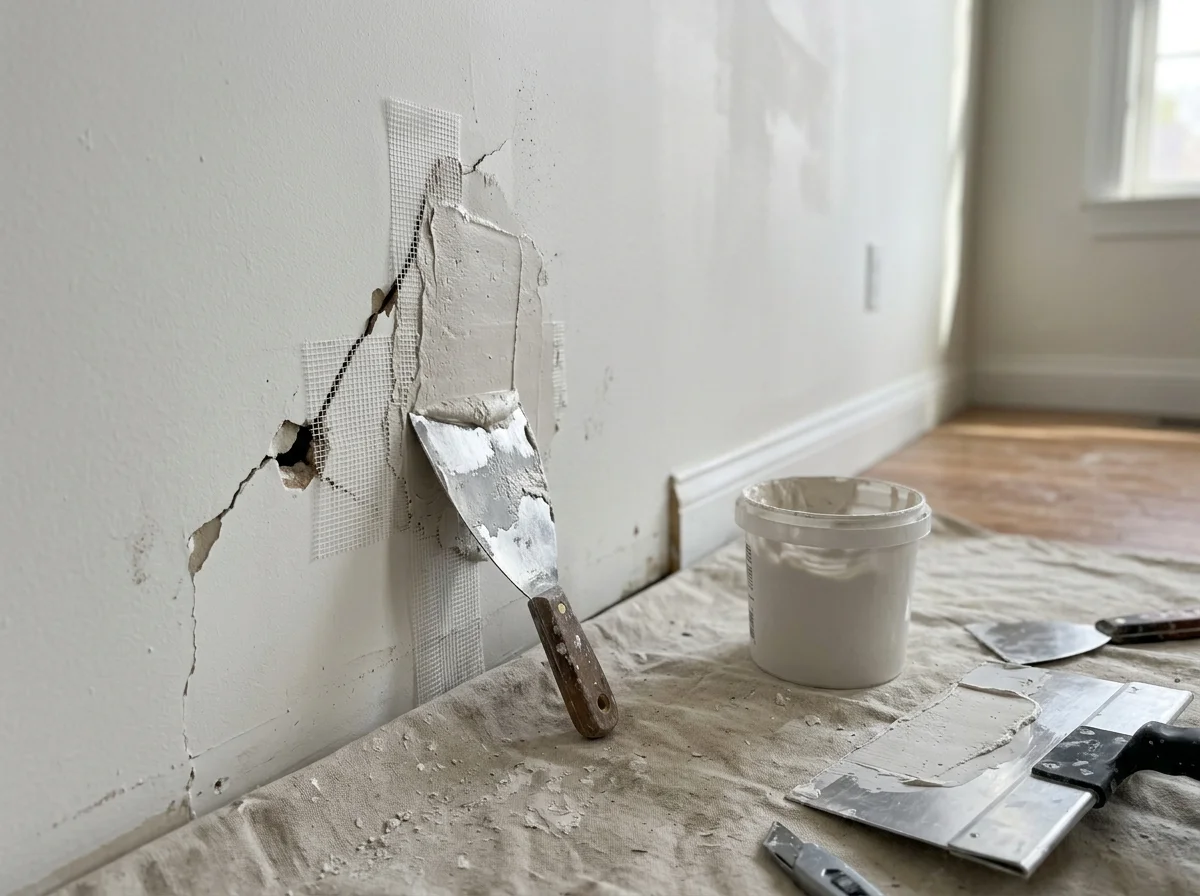
A drywall access hole repair starts by checking the opening and the drywall around it. Loose or broken edges may need to be cut back. The goal is to create a solid shape that can hold a new piece of drywall.
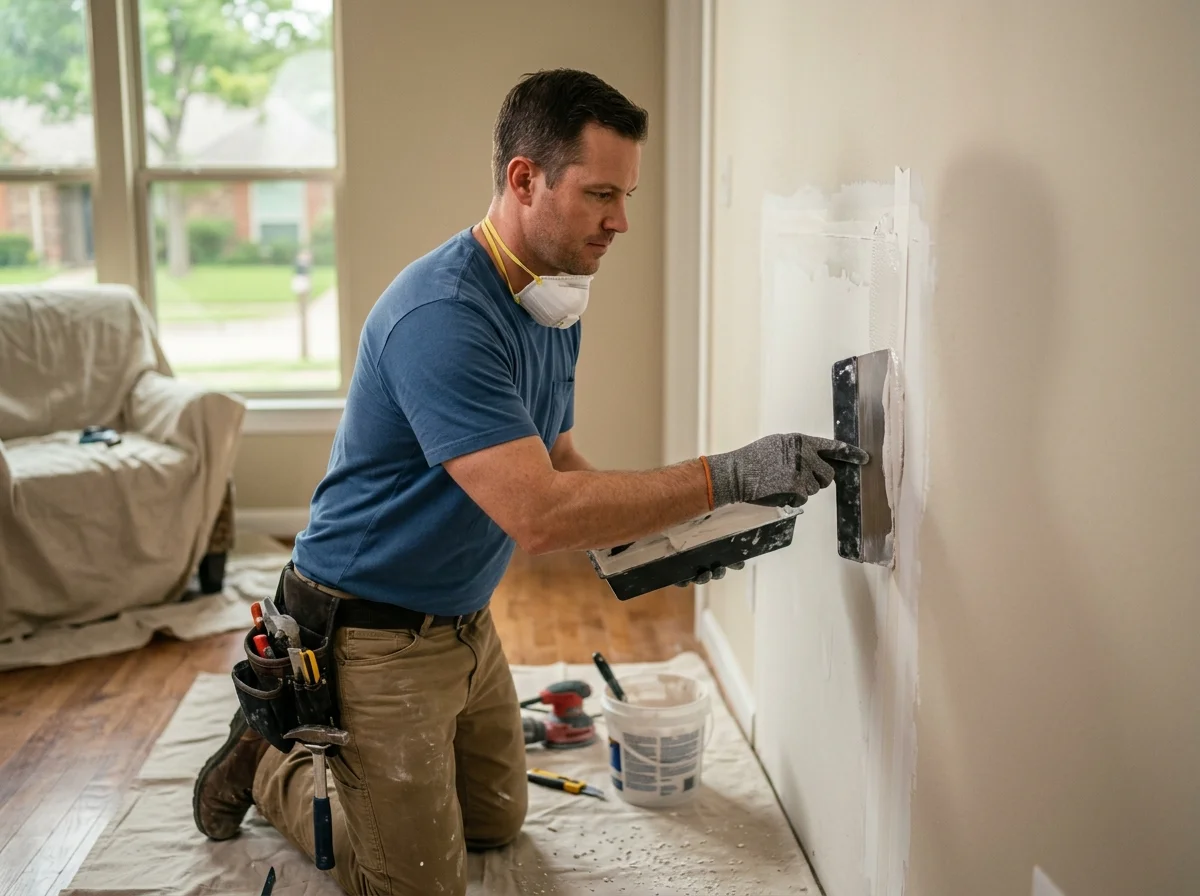
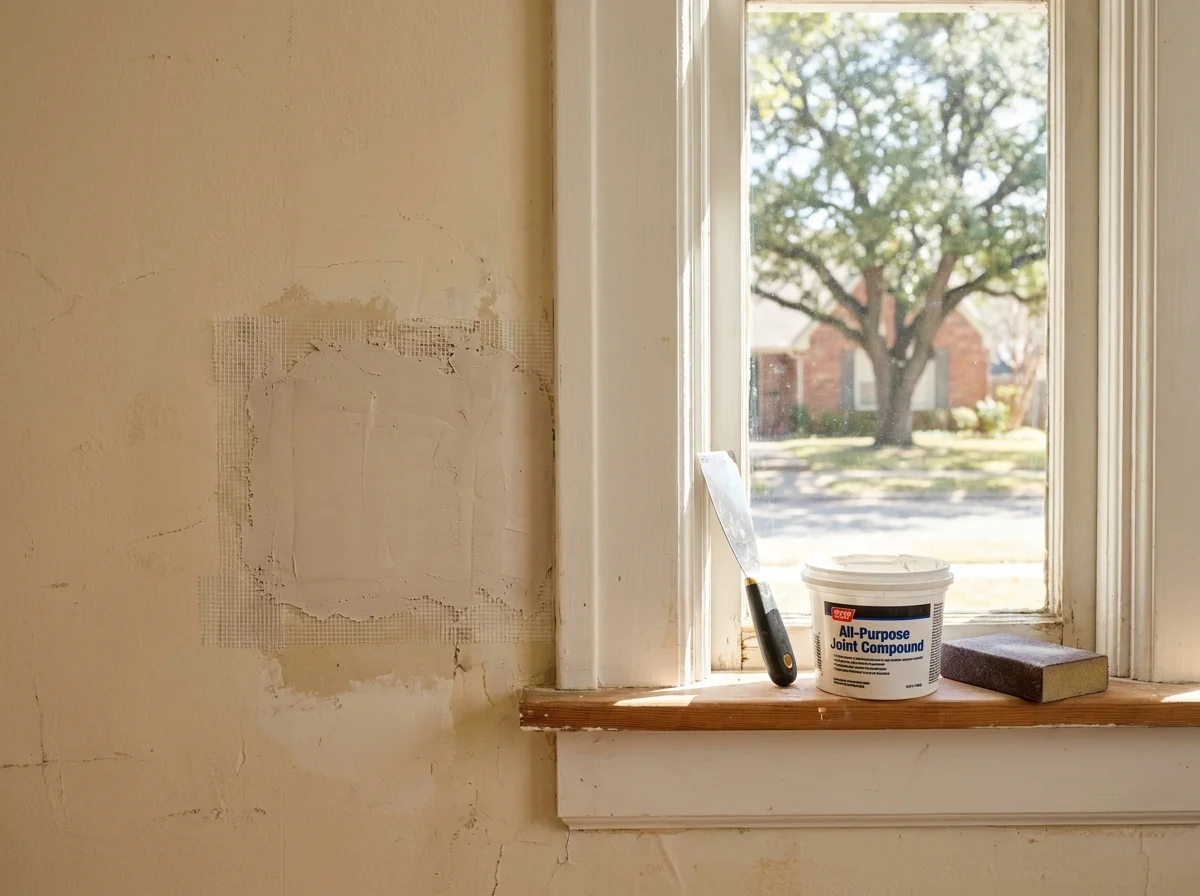
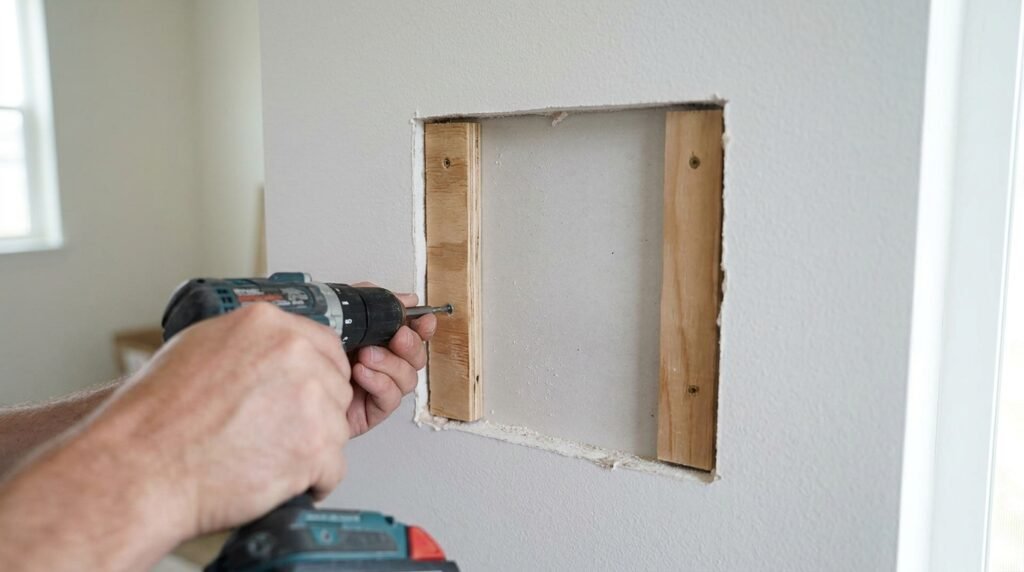
Backing may then be added behind the opening. The new drywall piece is cut to fit and secured in place. The seams are covered with drywall tape and joint compound. After the compound is ready, the area is sanded and blended into the wall.
Larger holes need more care because the patch must stay flat and firm. You can see more about different repair sizes in our drywall hole guide.
Can the Piece of Drywall That Was Cut Out Be Put Back?
Sometimes, but it depends on its condition. If the plumber makes a clean cut and keeps the drywall piece in good shape, it may be possible to use it as part of the repair.
That does not mean it can simply be placed back into the opening. The piece still needs support behind it. The edges must also be taped and finished so the cut does not stay visible.
If the removed piece is broken, wet, too small, or badly damaged, using new drywall often makes more sense. A clean new patch can be cut to fit the opening and secured to solid backing.
What If the Drywall Got Wet From the Plumbing Leak?
The wet area should be checked before the hole is patched. A dry access opening after a planned pipe repair is different from drywall that became soaked by a leak.
Drywall that stays firm may sometimes be saved once it is dry. Soft, swollen, sagging, or weak drywall may need to be removed. Wet insulation behind the wall can also affect how soon the opening should be closed.
A sheetrock patch after pipe repair should be made only after the source is fixed and the repair area is ready. Closing wet material inside the wall can create more problems later.
Who Repairs Drywall After Electrical Work?
The process is much the same. The electrician handles the wiring, box, outlet, switch, panel, or other electrical work. A drywall contractor handles the damaged wall after the electrical work is complete.
An electrician drywall repair job may involve one small opening or several cutouts. Wiring work can require access between studs, around outlets, above switches, or near the electrical panel.
The electrician should finish testing and securing the electrical work before the opening is patched. If future access is still needed, the drywall should stay open until the electrician confirms that the work is complete.
Can Drywall Be Repaired Around an Electrical Panel?
Yes, but the repair must not block required access to the panel or cover parts that need to remain exposed.
The drywall contractor can repair damaged wall areas around the opening while keeping the electrical equipment clear. Clean cuts, solid backing, and careful finishing are important because panels often sit in visible parts of garages, utility rooms, or interior walls.
The electrical work itself should be complete before the wall finish begins. A drywall contractor should not move wiring or change electrical parts to make a patch easier.
What If the Plumber or Electrician Made Several Holes?
Several openings can often be repaired during the same drywall job. This is common after repiping, rewiring, leak tracing, or work that follows pipes and wires through different walls.
Show the drywall contractor every opening before the estimate is prepared. A small hole in one room and several larger access cuts in another may need different repair methods.
The contractor can also check if any edges are damaged or if parts of the old drywall need to be trimmed before patching.
For projects with several cutouts, our drywall patchwork service covers small and larger damaged wall areas in Dallas.
How Is the New Patch Made to Match the Wall?
Closing the hole is only the first part of a good repair. The patch should also blend with the wall around it.
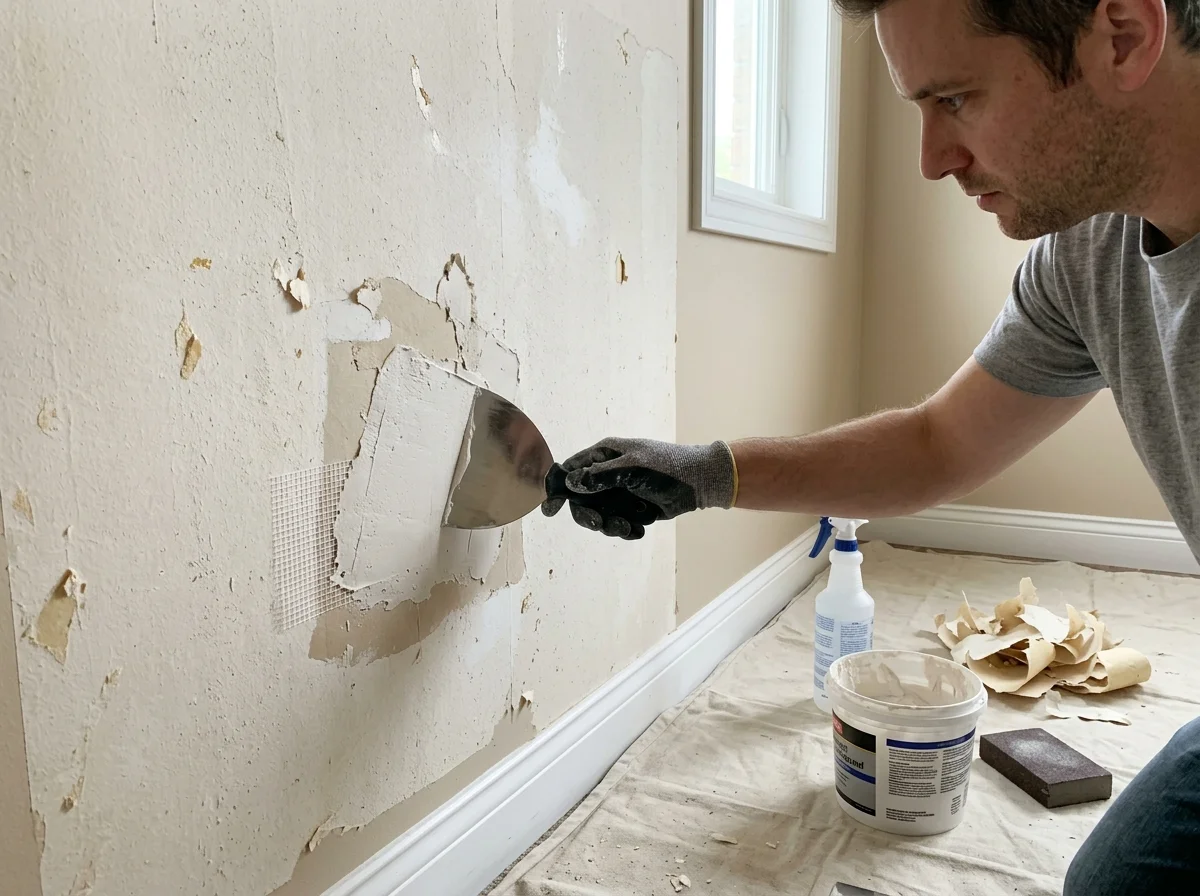
After the new drywall is secured, tape and joint compound are used across the seams. The compound is spread beyond the edge of the opening so the repair does not leave a raised square on the wall.
Texture comes next when the original wall is not smooth. The contractor may need to match orange peel, knockdown, or another finish. Careful blending helps hide the edge of the old opening.
Once the drywall work is complete, the area can be prepared for the final wall finish.
Will the Patch Still Be Visible?
A well-finished patch should blend closely with the surrounding wall, but several things affect the final look. The size of the opening, existing texture, wall condition, and paint can all make a difference.
Large plumbing cutouts may need a wider finish area than the hole itself. This helps soften the edge between the new compound and old wall.
Texture matching is also important. Even a flat and solid patch can stand out if the repaired spot has a different pattern from the rest of the room.
Patch Pros lists drywall repair and patchwork among its core North Dallas services.
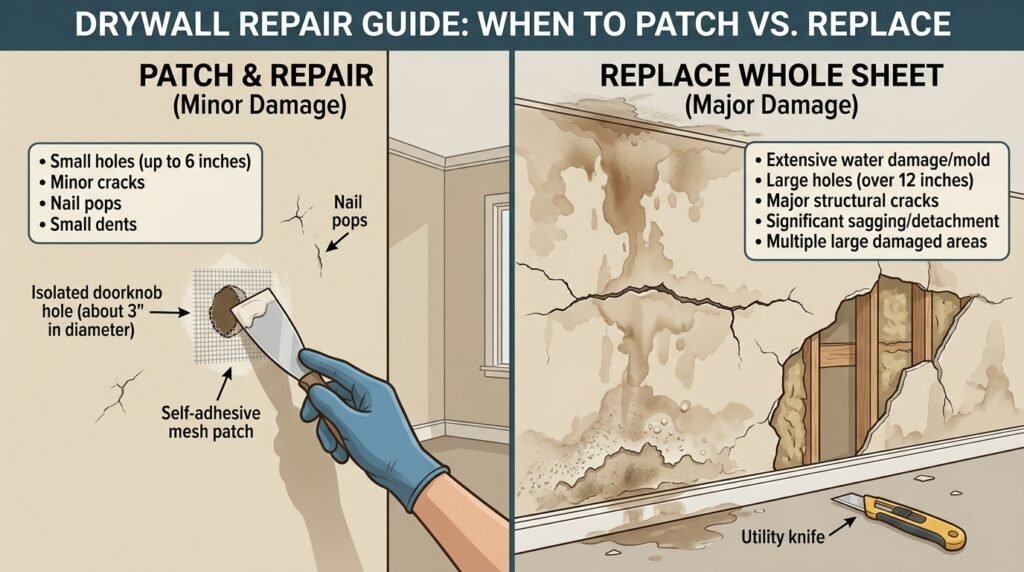
Does the Whole Drywall Sheet Need to Be Replaced?
Usually not. Many plumbing and electrical openings can be repaired by replacing only the cut section.
Full or larger panel replacement may make sense when the surrounding drywall is badly broken, wet, weak, or covered with several openings close together. The contractor should check how much solid material remains around the damaged area.
The goal is to attach the patch to strong drywall and framing. Removing a little more damaged material can sometimes create a better repair than trying to save weak edges.
A good contractor should explain why a local patch or larger replacement is the better choice before starting.
Should You Leave a Plumbing Access Panel Instead?
Sometimes an access panel is useful if a valve, shutoff, cleanout, or other part may need to be reached again. In other cases, the opening can be closed with drywall once the plumbing work is complete.
Ask the plumber before the patch is installed. They can tell you if future access is needed.
If access should remain, covering the opening with permanent drywall may create more work later. If no future access is needed, a normal drywall patch can restore the wall.
This decision should be made before the drywall contractor finishes the opening, not after the wall has already been closed.
Can You Patch the Access Hole Yourself?
A small, clean opening may be a reasonable DIY job for someone who has patched drywall before. Large plumbing openings are harder because they need solid backing, a flat patch, clean seams, and finish work.
Texture matching can also be difficult. The wall may look good while the compound is wet but show a clear patch after sanding and painting.
Multiple access holes can take even more time. Each patch needs to sit level with the old wall.
If the repair is in a main living area or the opening is large, professional drywall work can help create a cleaner finish. Patch Pros offers drywall repair services for holes and other damaged areas.
What Should You Tell the Drywall Contractor?
Start by explaining why the wall was opened. Tell the contractor if the work involved plumbing, electrical wiring, a leak, repiping, or another repair.
Also confirm that the plumber or electrician is finished. If the wall became wet, mention that as well.
Photos can help with the first estimate. Take one close picture of each opening and another photo that shows more of the wall. If the cutout is very large, include a simple size reference.
Finally, mention the wall texture. A smooth wall and a heavy textured wall may need different finish work.
Frequently Asked Questions
Who fixes drywall after a plumber cuts the wall?
A drywall contractor commonly handles the wall repair after the plumber finishes the pipe work. The plumbing repair should be complete before the opening is closed.
Does a plumber have to repair the drywall they cut?
Not always. Some plumbing companies may offer wall repair, while others stop once the plumbing work is done. Ask before the job starts so you know who will close the opening.
How soon can drywall be repaired after a plumbing leak?
The leak should be fixed first. The area should also be dry enough to close. Wet or damaged drywall around the opening may need to be removed before patching.
Can a large plumbing access hole be patched?
Yes. Large holes can often be repaired with new drywall, backing, tape, joint compound, sanding, and texture matching. The drywall around the opening must be strong enough to hold the repair.
Who repairs drywall after electrical work?
A drywall contractor can repair openings after an electrician finishes the wiring work. The electrician should confirm that no more access is needed before the wall is closed.
Can the old drywall cutout be reused?
Sometimes. A clean and undamaged piece may be reused if it can be supported well. Wet, broken, or poorly cut drywall is usually better replaced with a new piece.
Should a plumbing access hole stay open?
Only when future access is needed. Ask the plumber if a valve, cleanout, or other part must remain reachable. An access panel may make more sense in that case.
Does the whole wall need new drywall after plumbing work?
Usually not. Many access openings can be patched. Larger replacement may be needed when the drywall around the opening is wet, weak, broken, or badly damaged.
Get Drywall Repair After Plumbing or Electrical Work in Dallas
A plumber or electrician may need to open the wall to solve the main problem. Once their work is finished, a drywall contractor can close the opening and rebuild the wall surface.
For drywall repair after plumbing Dallas, make sure the pipe work is complete, the area is dry, and no more access is needed. The patch can then be secured, taped, finished, and blended with the surrounding wall.
Patch Pros of North Dallas provides drywall repair and patchwork across Dallas and nearby service areas.
If the trade work is finished and you are left with access holes, you can request an estimate for the drywall repair.