So you’ve got a hole in your wall. Or maybe your ceiling’s got water damage from that leak you finally fixed. Could be cracks forming. Whatever it is, you’re looking at it thinking “man, I need this fixed.”
Drywall repair McKinney – yeah, that’s what we do. We’ve been doing it for years. This guide walks you through what we see out here, what actually matters, and what doesn’t. Some things you can DIY. Most things? You’re gonna want to call someone who knows what they’re doing.
We’re gonna talk about drywall repair in McKinney, TX – all of it. Holes, cracks, water damage, ceiling disasters, the whole thing. By the time you’re done reading, you’ll know what’s worth fixing yourself and when you need a drywall contractor McKinney to come out.
Why Your Walls Matter More Than You Think
That Hole Gets Worse, Not Better
You put a hole in the wall moving a couch. Six months later you’re looking at it and going “should probably fix that.” Meanwhile, the damage around it’s getting worse. Edges get dull. Dust sits in there. The edges crumble a bit.
The lesson? Deal with it now. Drywall hole repair today is way easier than drywall hole repair next year.
Water Damage Doesn’t Fix Itself
Water stain on your ceiling. Not that bad, right? Wrong. That stain means water got in there. Behind the drywall. In the structure. Every day it sits there, the damage spreads. Mold starts growing. The drywall gets soft. What was a five hundred dollar fix becomes three thousand dollars.
Water-damaged sheetrock needs attention immediately. I’m not trying to scare you but seriously – moisture problems get worse fast.
People Notice Bad Walls When You’re Selling
You’re probably fine with that rough patch on your wall. But a buyer walks through and sees that hole, that water stain, those cracks spreading across the ceiling… they’re thinking about what else is wrong. They offer less money. They walk away. A little wall patching and texture matching would’ve solved this.
What You’re Actually Looking At
It’s Just Drywall
Sheetrock is what most people call it (that’s a brand name that stuck). It’s basically gypsum board. They nail it to the studs, tape the seams, put spackling on it, sand it smooth, paint it. That’s your walls. If the tape starts bubbling, peeling, or pulling away from the seam, proper sheetrock tape repair can restore a smooth surface before repainting.
When it gets messed up – a hole, a crack, water damage – you fix it. Sometimes that’s quick. Sometimes it takes more work.
The Different Types of Damage
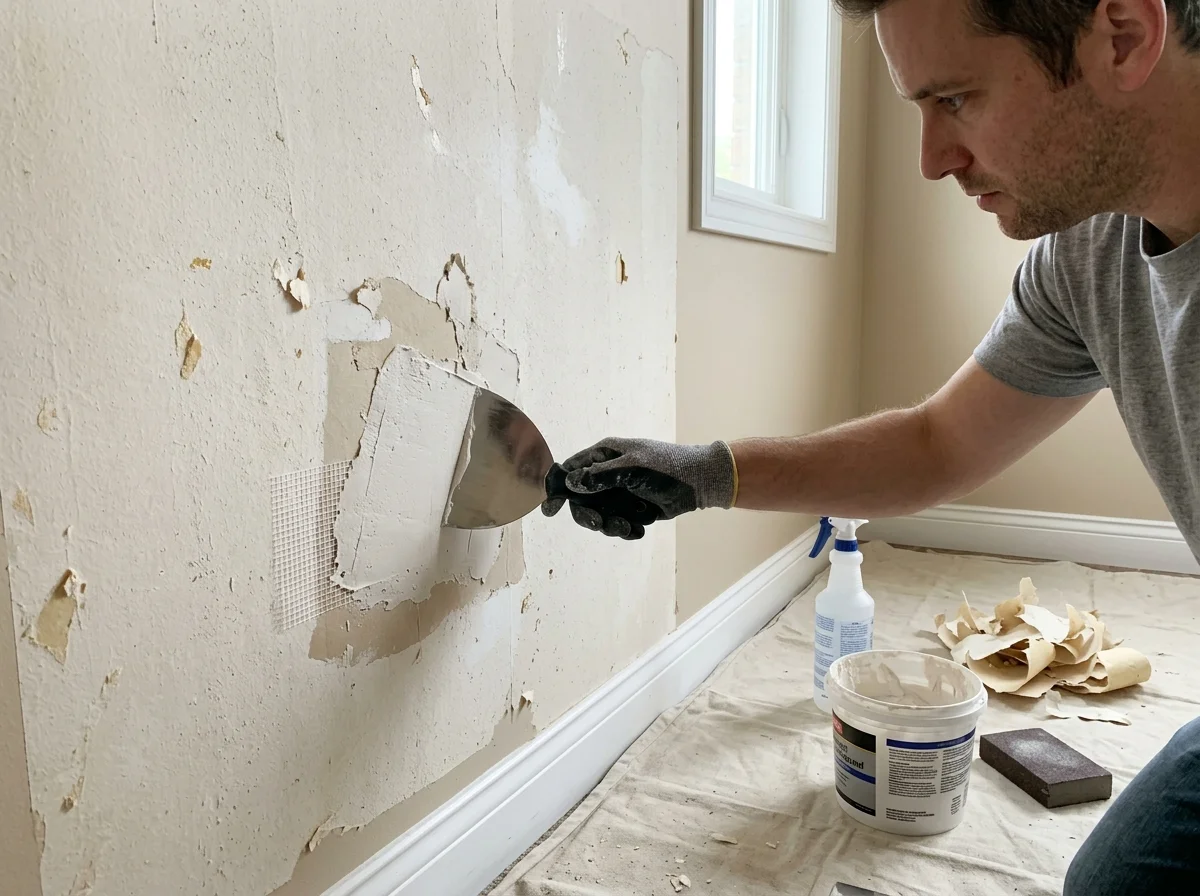
Removing old wallpaper can also tear the drywall paper, leave adhesive behind, or expose rough patches. Learning how to repair drywall after wallpaper removal helps prepare the wall for a smooth new finish.
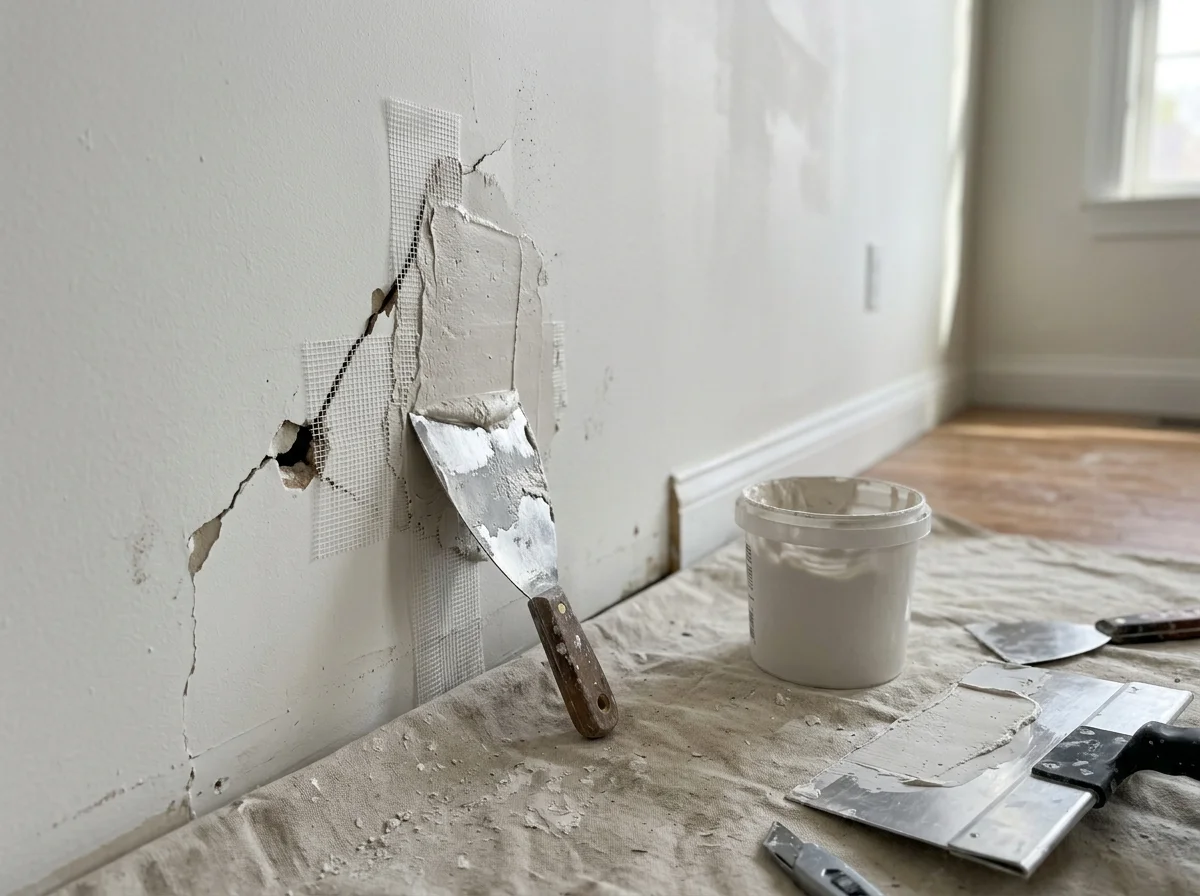
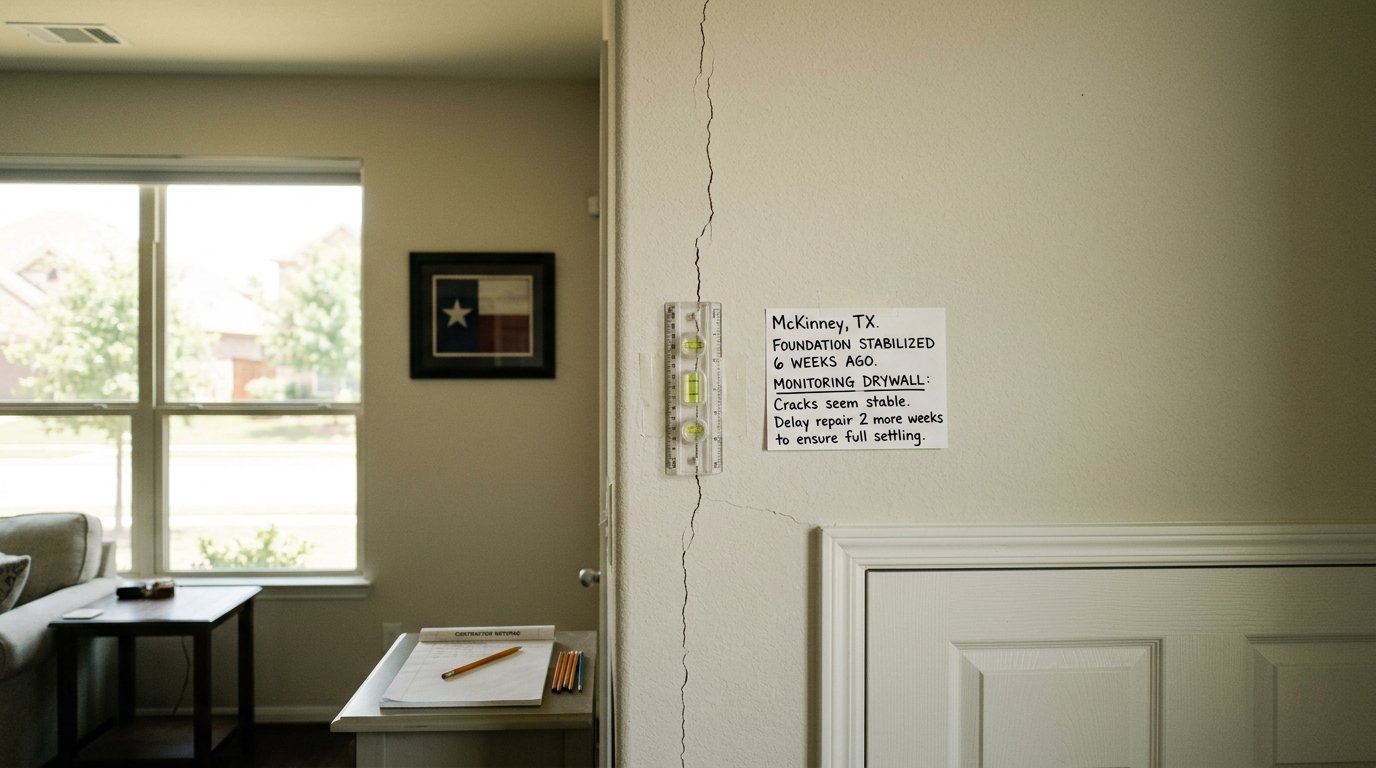
Drywall crack repair – this is probably sixty percent of what we do. Cracks happen. Could be from settling. Could be the house is moving a little. Could be someone punched the wall. Could be nothing serious. Could be everything’s fine. But the crack’s there and you’re looking at it.
Drywall hole repair – picture nails, moving furniture, kids, accidents. Sizes range from tiny to huge. Tiny takes spackling and an hour. Huge takes more.
Ceiling drywall repair – working overhead sucks. Everything’s harder up there. But water stains, sagging, holes – they all happen. And yeah, it costs a bit more because we’re basically working sideways.
Residential Versus Commercial
Your house gets residential drywall repair that looks good. A commercial building might just need it to work and not look terrible. We do both. The work’s different though.
How Repairs Actually Go
The Small Stuff
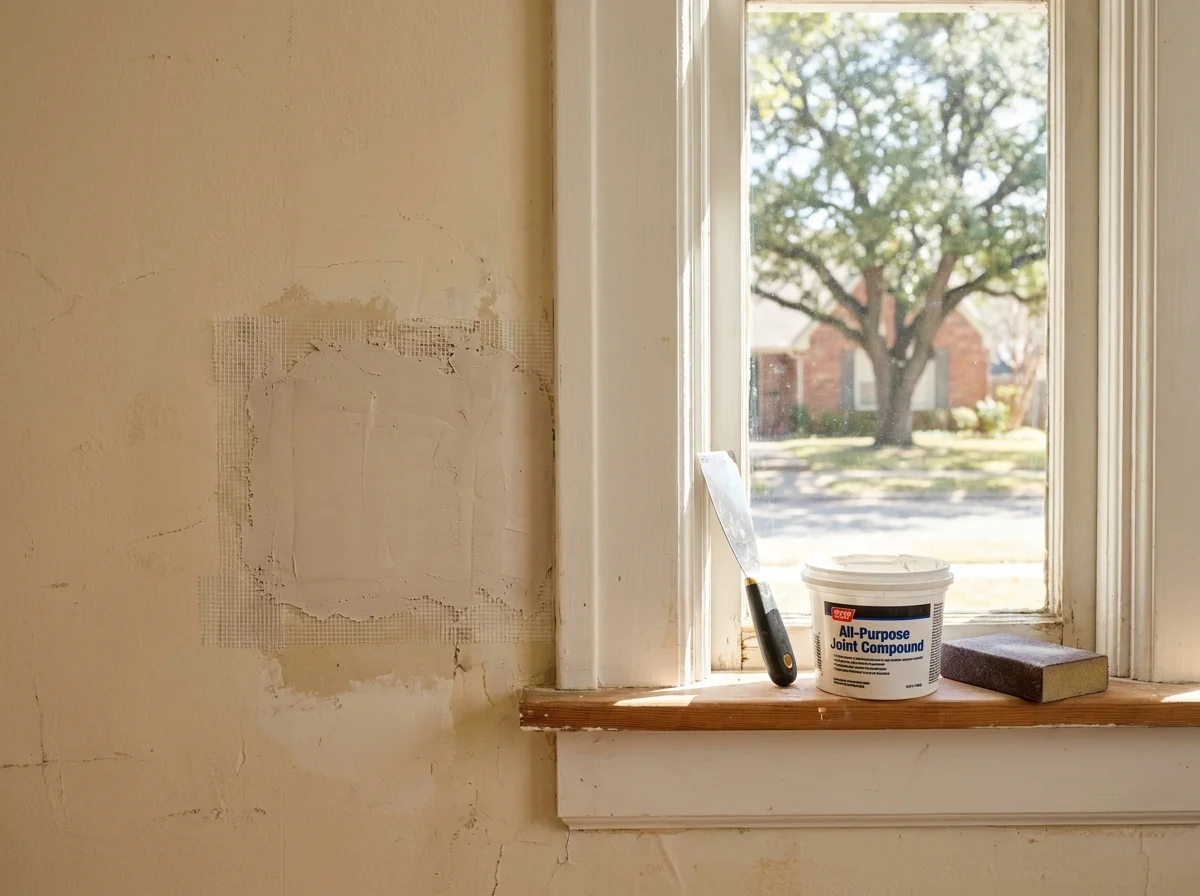
Nail pop? We slap some spackling on it, sand it, prime it, paint it. Done. Takes like an hour if we’re getting the texture right.
Small hole from a picture frame or whatever – same deal. Spackling, sand, prime, paint.
Bigger Holes
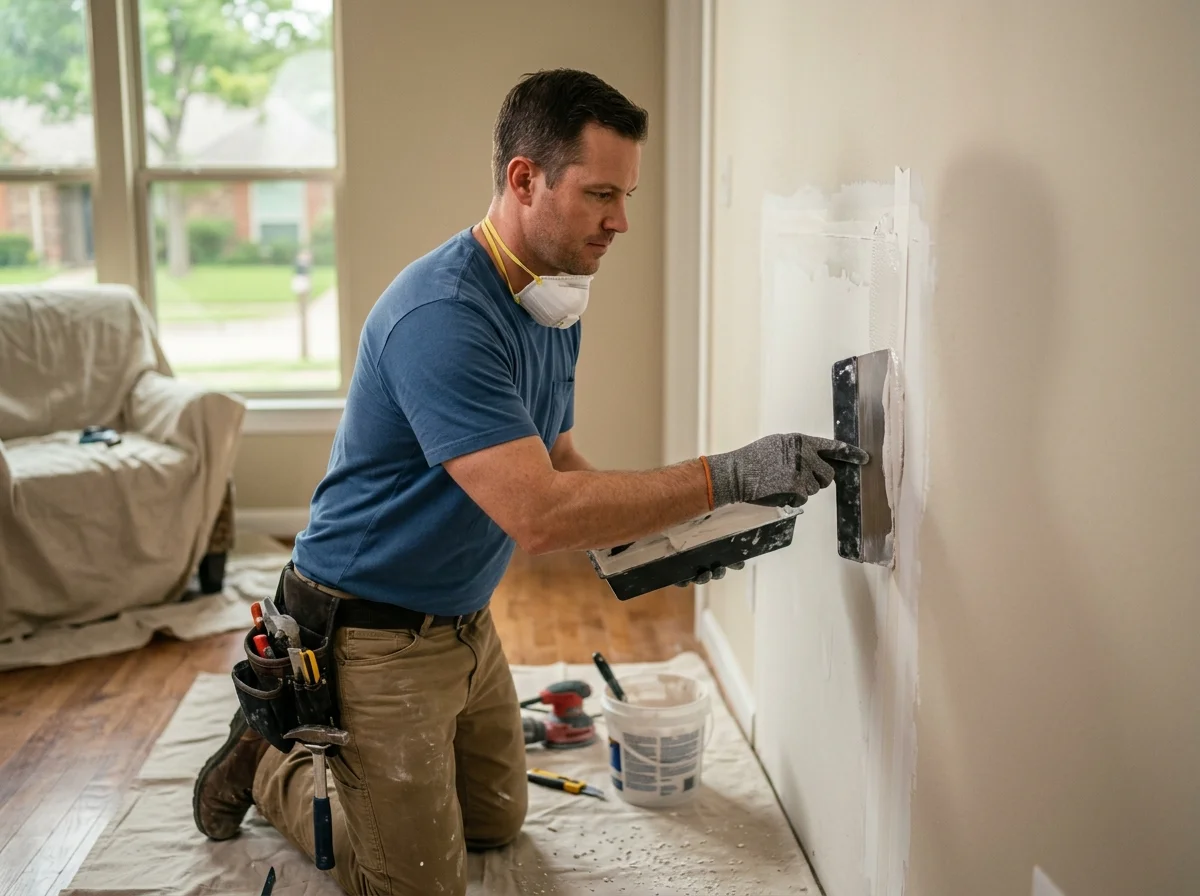
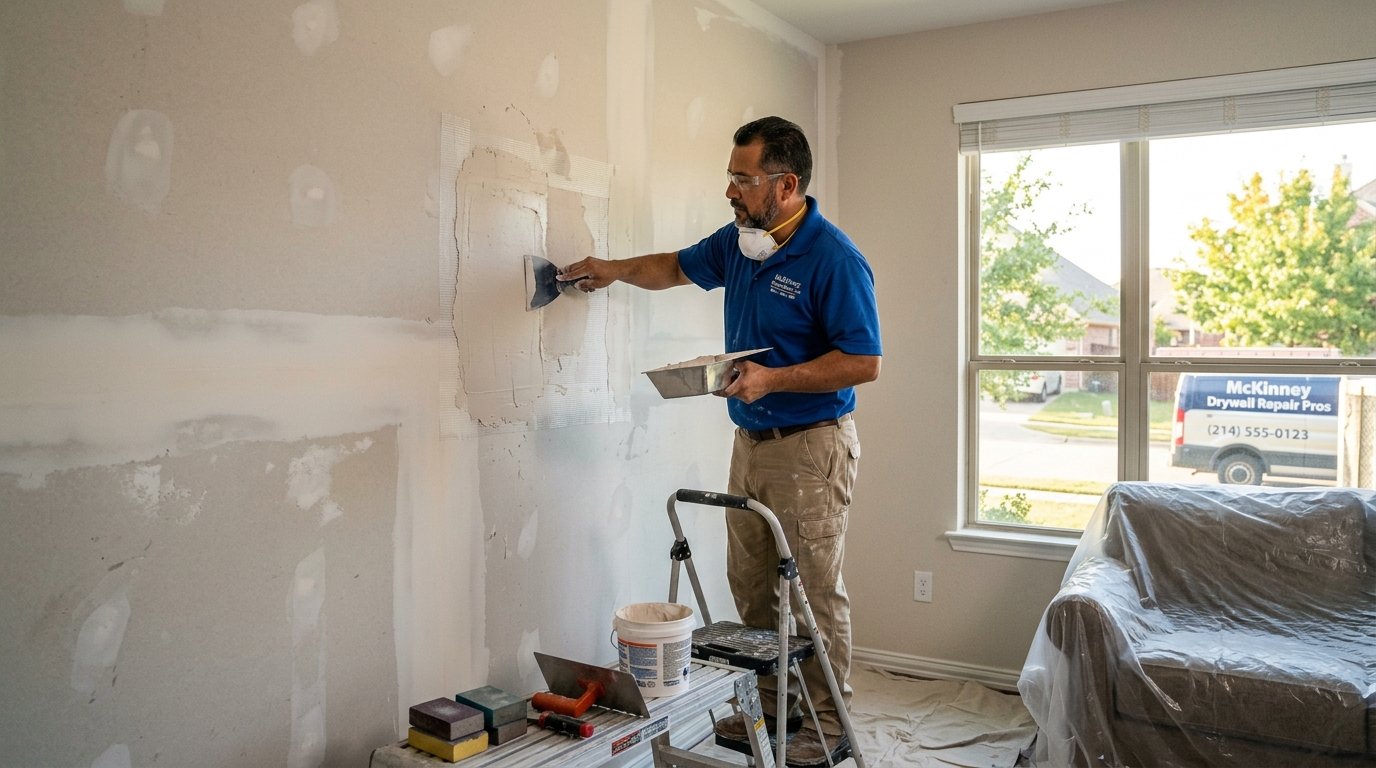
Anything that’s a few inches across needs a patch kit or a drywall patch. We cut out the damaged part, put in backing, patch it, tape it, mud it like five times, sand it, texture it. Then prime and paint.
This is where people mess up if they DIY it. The mudding and texturing part? Takes skill.
Wall patching Done Right
Here’s the thing – you shouldn’t be able to see the patch. At all. When we do wall patching, you walk in the room and go “wait, there was damage there?” That’s good work. If you see the patch? That’s bad work.
Texture matching is the part that makes it disappear. Get the texture wrong and even a perfect patch looks like garbage.
Water Damage Sucks
Water stain means moisture got into your wall. Sometimes it’s just surface. Sometimes the drywall’s actually compromised. If it’s soft or starting to break down, it needs replacing, not patching.
But here’s the thing – if there’s a leak, you gotta fix the leak first. Fix just the wall and the problem comes back. That’s frustrating for everyone.
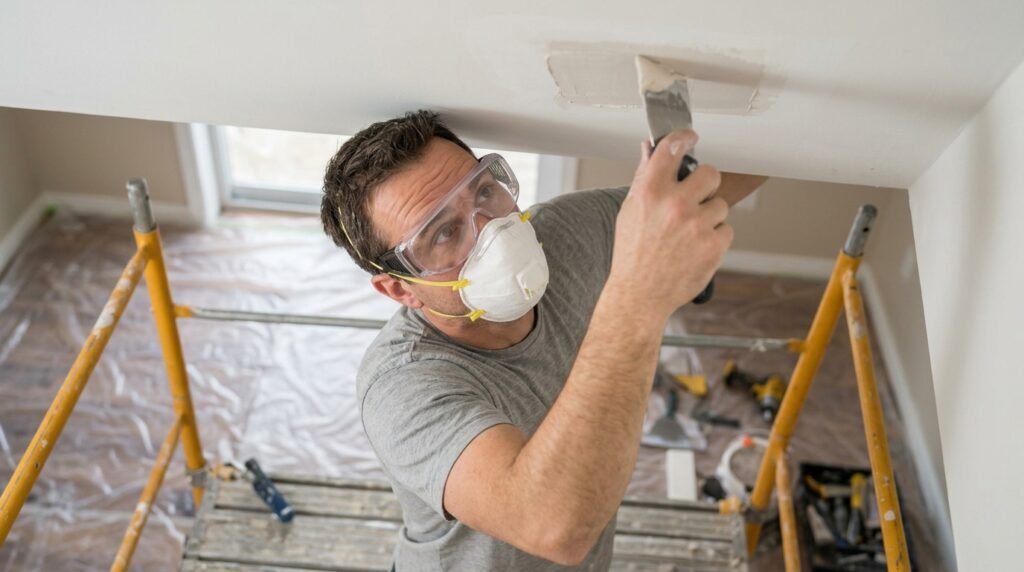
Ceiling Drywall Repair Is Its Own Thing
Working overhead is just harder. Gravity’s against you. Materials fall. You’re straining your neck. It takes longer. Costs more. But it’s the same process – identify damage, remove it, patch it, texture it, paint it.
Water-stained ceiling? Find where the water came from or you’re doing this twice.
Texture Matching – The Part That Matters
Everyone’s Got Different Texture
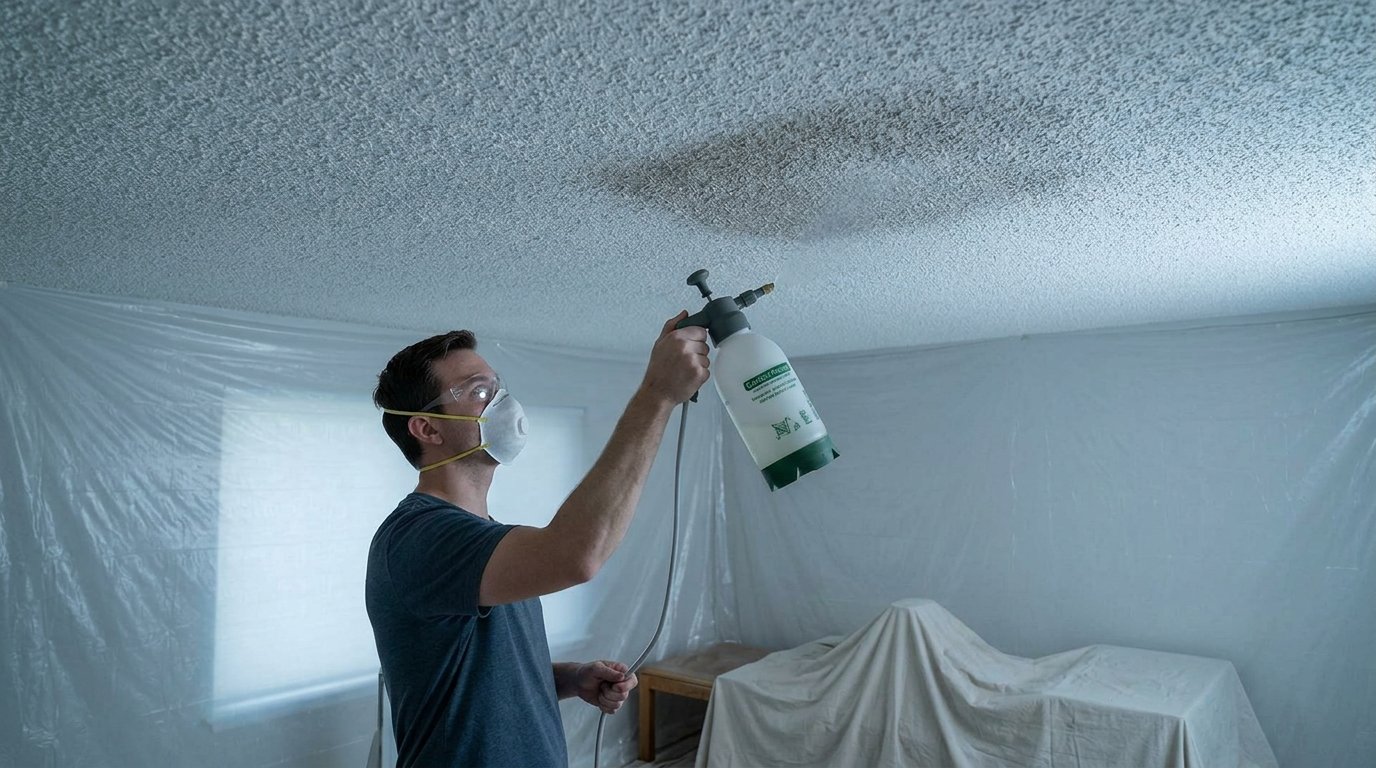
McKinney homes have different textures. Popcorn in one place. Knockdown in another. Some people went smooth. Some went orange peel. There’s variety. Before scraping or disturbing an older textured ceiling, homeowners should first determine whether the popcorn ceiling has asbestos and whether professional testing is necessary. Once the ceiling material has been confirmed safe, following the correct process to remove a popcorn ceiling can help prevent gouges, torn drywall paper, and unnecessary ceiling damage.
When we fix your wall, that texture matching has to be right. We look at what you have, figure out what it is, and replicate it. Sounds easy. Not always easy.
The Final Look
Good repair means the repair disappears. You can’t see where we worked. Paint matches. Texture matches. Seamless wall repair – that’s what matters.
Bad repair? You see it every time you walk by. You’re staring at your mistake forever.
Drywall Installation and Replacement
When You Need New Drywall
Sometimes you’re past repair. Huge water damage. Structural problems. Too much damage to patch efficiently.
We rip out the damaged section, put in new drywall, tape it, mud it, texture it, prime it, paint it. It’s more work but sometimes it’s the right call.
Building New Stuff
Renovation? Addition? New construction? That’s drywall installation. We layout, install, finish everything. Joint-compound finishing takes time but that’s what makes it look clean.
McKinney – That’s Us
We’re based here. We know the neighborhoods. We know the homes. We’ve worked in Eldorado, Towne Lake, everywhere out here.
Residential drywall repair in McKinney homes – we do this constantly. Texas weather does a number on walls. Heat, humidity, cold snaps when it gets weird. All of that stresses drywall.
Actually Look At Our Work
Check the gallery. Real projects. Real homes. Holes we fixed. Water damage we handled. Ceilings we repaired. You can see what we do.
Every job looks different. But every job gets the same attention. Explore more local repair solutions and completed projects from Patch Pros of North Dallas.
Frequently Asked Questions About Drywall Repair McKinney
How much does this cost?
Depends. Tiny nail pop? Seventy-five to one-fifty bucks. Bigger patch? Two to five hundred. Water damage? More. Get an estimate. Seriously. Call us. We’ll look at it and tell you the real price.
Can I just do this myself?
Small nail pops and holes? Yeah, spackling compound from the hardware store works. Anything bigger? Anything with water damage? Texture matching? No. Call someone. Bad DIY repairs look terrible. You’re throwing money away.
How long does it take?
Nail pop – an hour. Small patch – few hours. Big repair – might be a day. Water damage – depends on how bad. Replacement – could be a couple days. We’ll tell you when we look at it.
Patch or replace?
Patch fixes the damage spot. Replace means ripping it out and putting in new drywall. Patches are faster and cheaper. Replacement is when damage is huge or structural issues exist. Your contractor tells you which makes sense.
How do you match texture?
We’ve done this dozens of times. We look at your texture, figure out what it is, and do the same thing on the repair. It takes practice. Most people can’t do it without experience.
Water stain on ceiling – what do I do?
Stop the leak first. Water damage gets worse every single day. Get someone to look at it. Figure out how much damage there actually is. Could be just cosmetic. Could be the drywall’s compromised. Don’t wait on this.