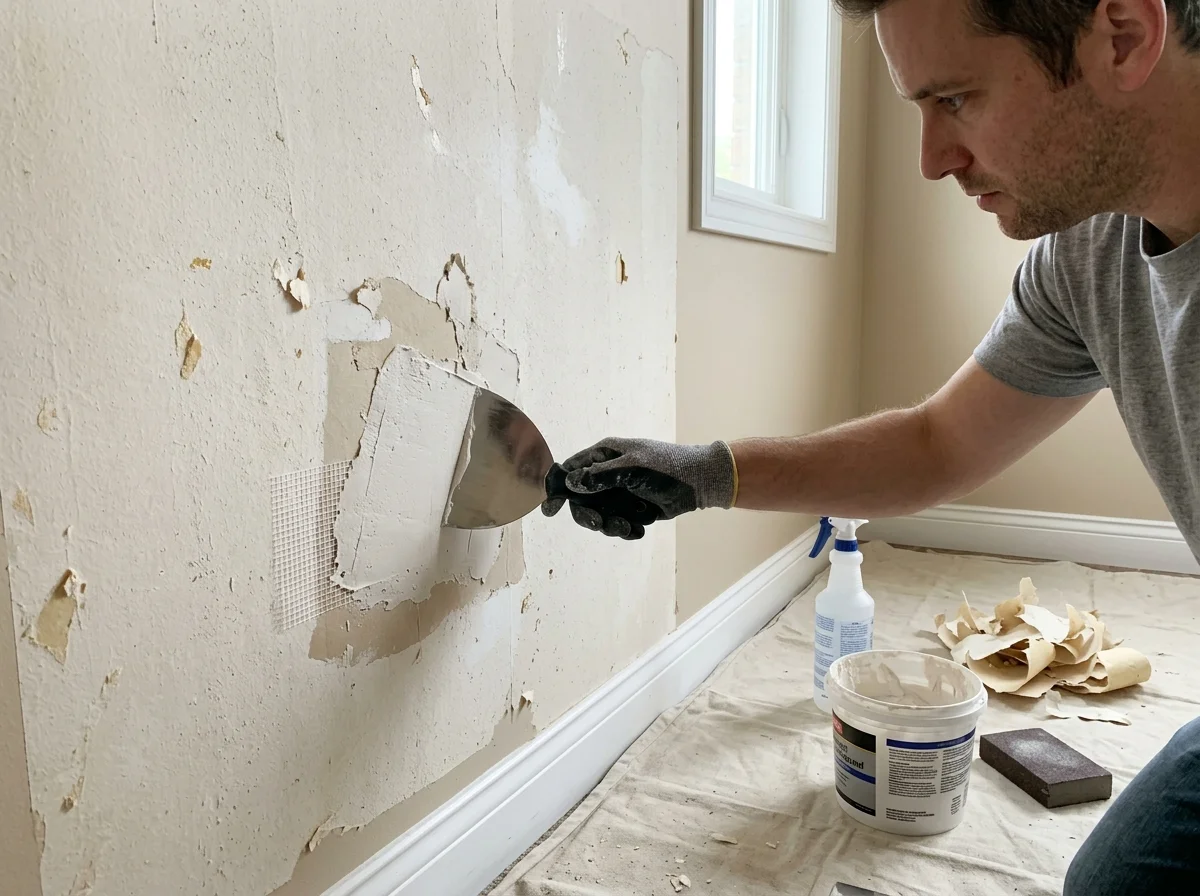
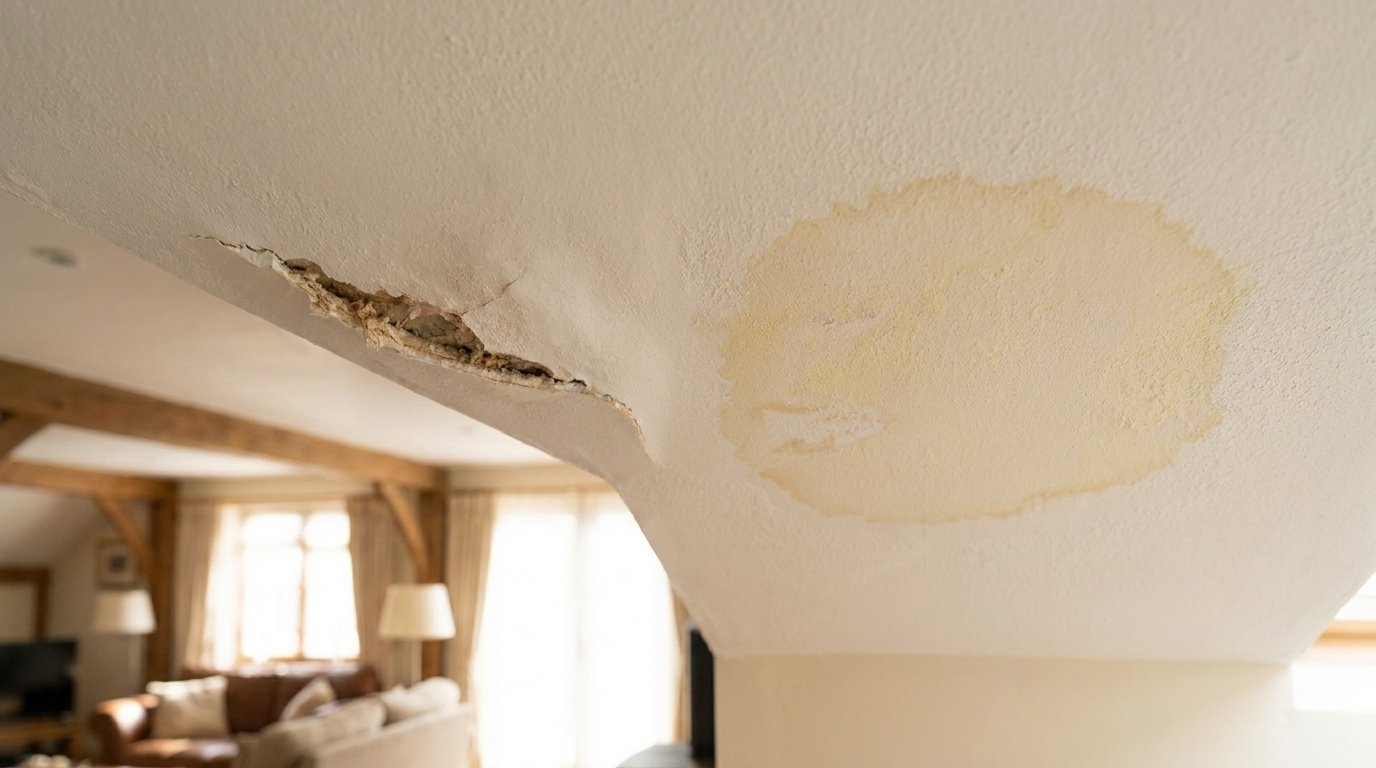
A brown ceiling stain can look small at first. The drywall above it may tell a different story. Water can spread behind paint, soak into the gypsum board, and reach insulation before the full damage becomes easy to see. That is why water damaged ceiling repair Dallas should start with the source of the leak, not with paint or joint compound.
Some wet drywall can dry and stay in place. Other drywall becomes soft, swollen, or weak and needs to come out. The condition of the board, seams, and area above the ceiling all help decide what should happen next.
This guide will help you tell the difference. It also explains what to do first, when a ceiling patch may work, and when replacement is the better choice.
What Should You Do First When Water Appears on the Ceiling?
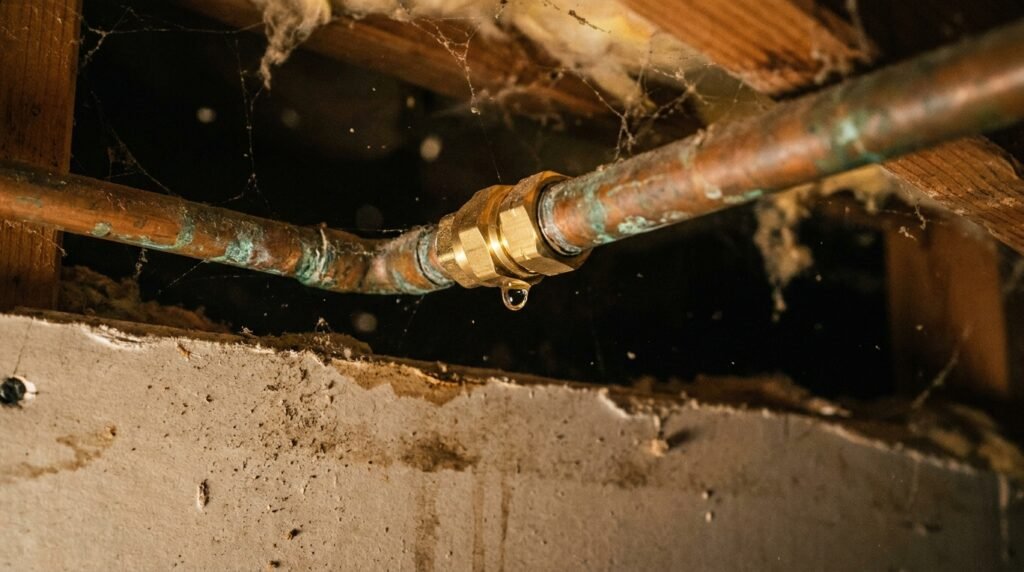
Find and stop the water source before repairing the ceiling. A drywall patch will not last if water is still entering from above. Common sources include plumbing leaks, roof leaks, HVAC drain problems, and water from rooms above the damaged area.
If the leak comes from plumbing, the plumber should normally fix the pipe or fixture first. If rain is entering through the roof, a roofer should deal with that problem before the ceiling is closed. Once the source is fixed, the ceiling can be checked and dried before drywall work starts.
Homeowners who need help with the damaged surface can review our Dallas ceiling repair services.
Can Wet Ceiling Drywall Be Saved?
Sometimes. The condition of the drywall matters more than the stain alone. Drywall that stays firm, flat, and well attached may be able to dry without full replacement.
A wet drywall ceiling that was exposed for a short time may still be strong once the leak stops. A contractor can check the surface, seams, and area around the stain before deciding if removal is needed. A moisture meter may also help show whether the material is still holding water.
Drywall that stays flat and strong has a better chance of being repaired. Drywall that has changed shape or lost strength is a different case.
When Does Water-Damaged Drywall Need to Be Replaced?
Replacement is often needed when the drywall is swollen, soft, sagging, badly stained through the board, or no longer firm enough to hold a proper repair. Loose seams and broken paper can also be signs that the board has lost strength.
The same applies when a ceiling has a large soft area. Joint compound cannot make weak gypsum strong again. A contractor may need to remove the damaged section, check the space above it, let the area dry, and then install new drywall.
For a broader look at damaged walls and ceilings, see our water damage drywall guide.
What Are the Warning Signs That a Ceiling Needs More Than Paint?
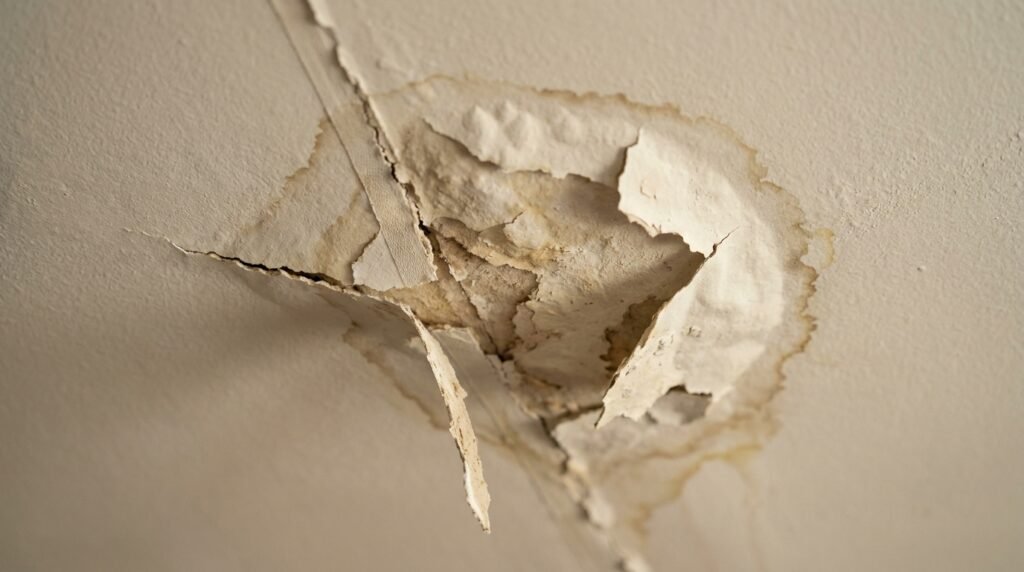
Paint can hide a stain, but it cannot repair weak drywall. The surface should be checked before any primer or ceiling paint goes on.
Signs that need a closer look include:
- A ceiling that feels soft or spongy
- A section that is sagging or bulging
- Paint that is bubbling or peeling
- A brown or yellow stain that keeps growing
- Loose drywall tape or open seams
- A musty smell near the damaged area
- Water that is still dripping
- A stain that returns after rain or plumbing use
These signs do not always mean the whole ceiling must come down. They do mean the cause and the wet area should be checked before cosmetic work begins.
How Long Should a Ceiling Dry After a Leak?
There is no single drying time for every ceiling. The amount of water, air flow, insulation, room temperature, and size of the wet area can all change how long drying takes.
The key is to start drying as soon as possible. Hidden spaces above ceilings may stay damp even when the paint feels dry, so surface appearance alone does not always tell the full story.
A moisture reading can help before the ceiling is closed or painted. If insulation or framing above the drywall is still damp, the repair should wait until the area is ready.
Can You Paint Over a Water Stain on the Ceiling?
Not until the leak is fixed and the ceiling is dry. Painting over an active moisture problem only hides the surface for a short time. The stain may return, paint may peel, and the drywall may keep getting weaker.
Once the area is dry and sound, the stain may need a stain-blocking primer before the finish coat. If the drywall itself is soft or swollen, primer is not the fix. The weak section should be repaired or replaced first.
Our ceiling repair guide explains how damaged ceiling areas are prepared before finishing.
Why Does a Ceiling Sag After Water Damage?
Drywall has a gypsum core covered with paper. When enough water gets into the board, it can lose strength. A ceiling has to support its own weight while hanging below the framing, so wet material may begin to bow or sag.
A small stain and a sagging ceiling should not be treated as the same problem. Sagging can mean the board is no longer holding its shape well.
Avoid pressing hard on a badly sagging area. Have the ceiling checked before starting a patch, especially if the wet area is large or the leak lasted for a long time.
What Causes Ceiling Water Damage in Dallas Homes?
Plumbing and HVAC leaks can happen in any home. Dallas weather can also raise the chance of roof-related damage during heavy rain, strong storms, and hail.
A new ceiling stain after a storm may point to roof damage or water entering around flashing, vents, or another opening. The drywall contractor should not be expected to fix the roof itself. The source of the water should be repaired first.
The same rule applies to plumbing and HVAC leaks. Stop the water, let the area dry, and then repair the ceiling.
Can a Small Water-Damaged Area Be Patched?
Yes, if the damaged drywall is removed back to firm, dry material and the area above the ceiling is ready to close. The size of the patch depends on how far the damage spreads beyond the visible stain.
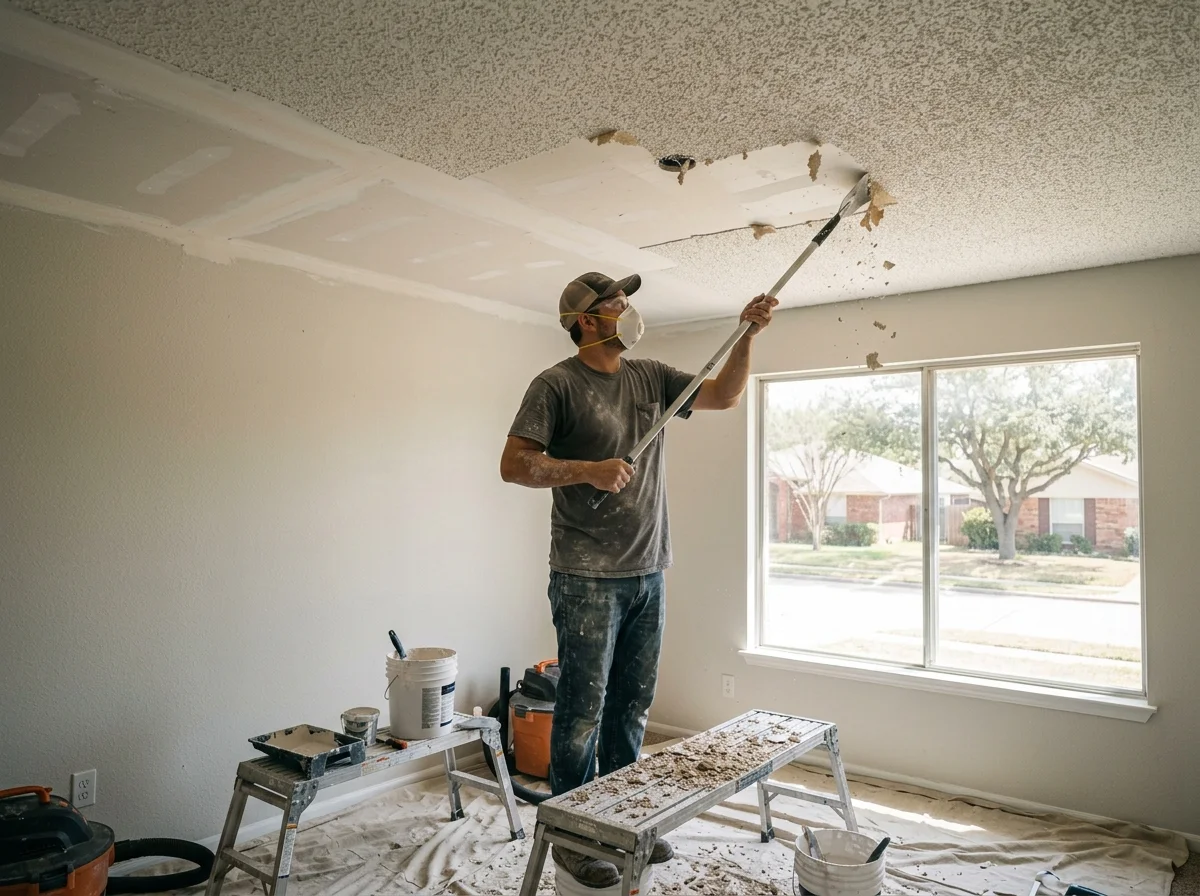
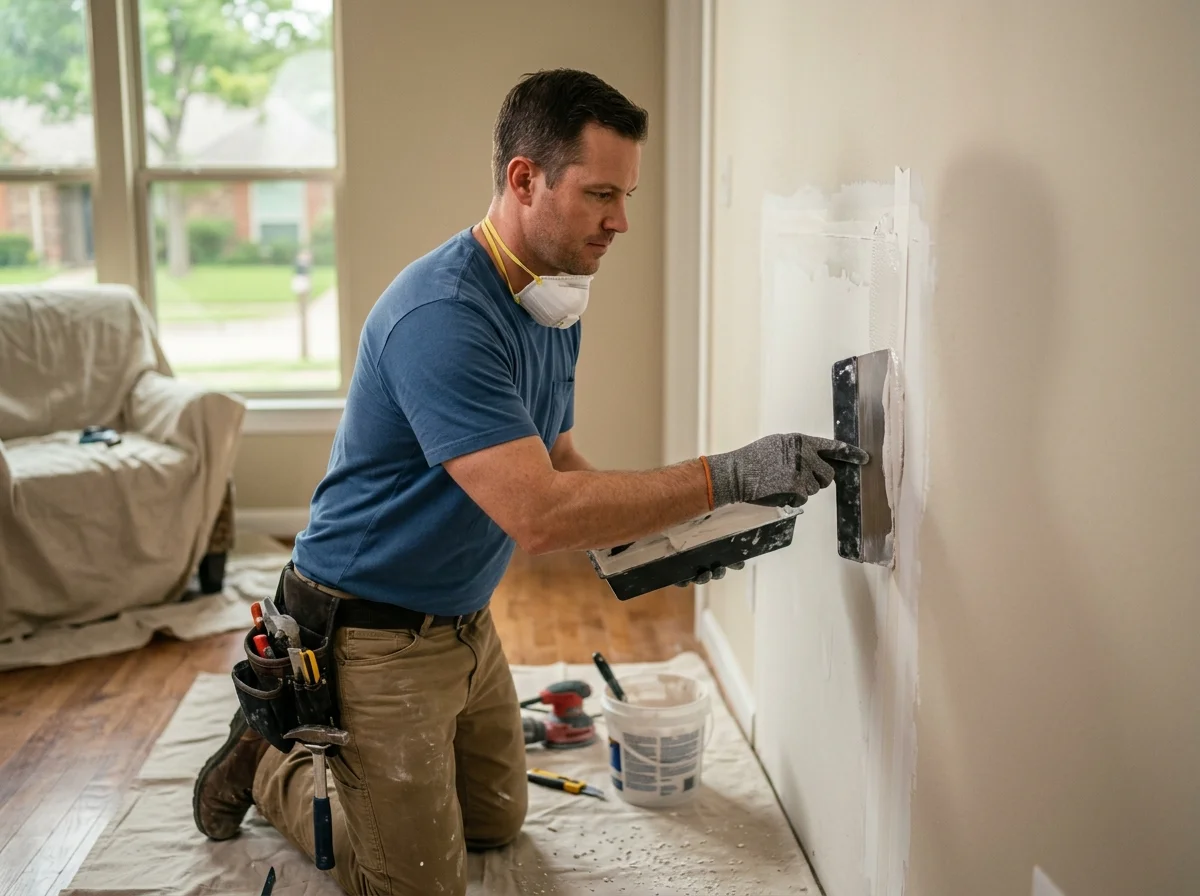
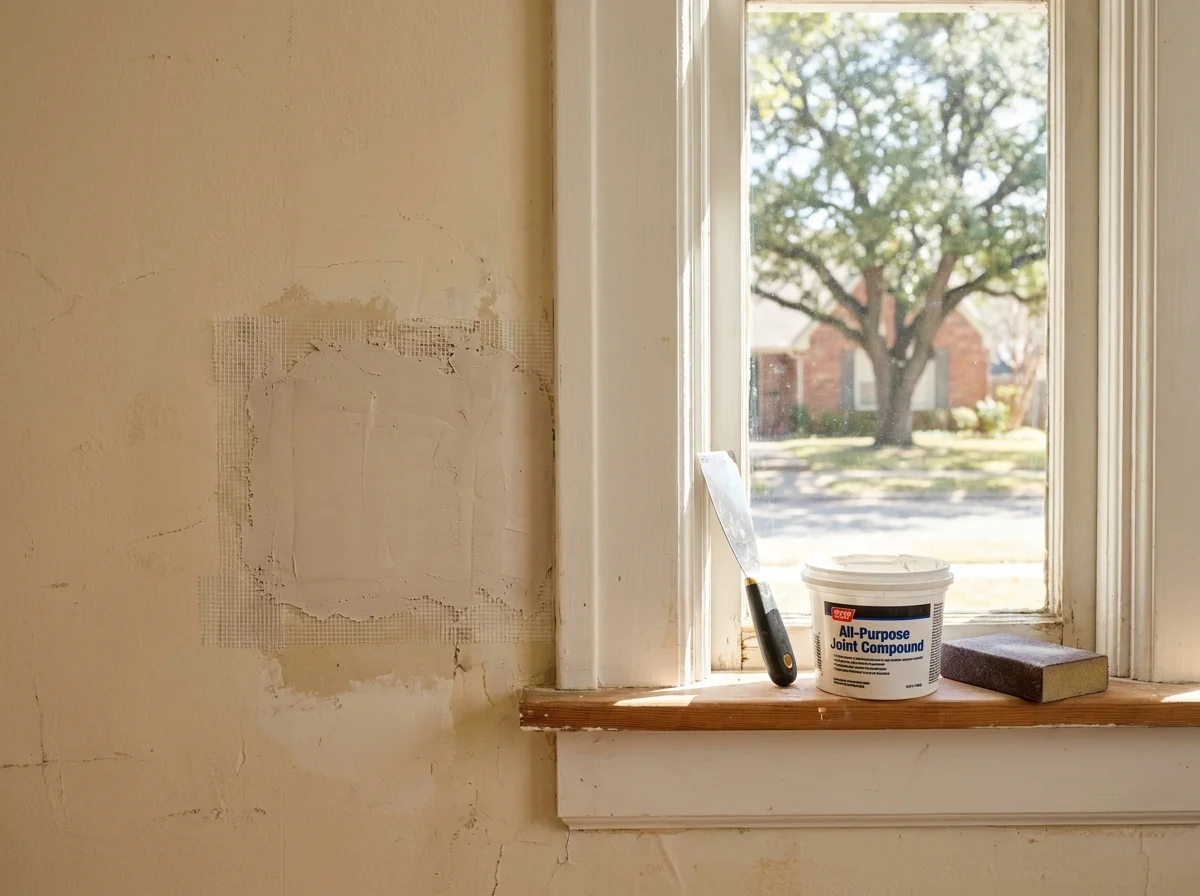
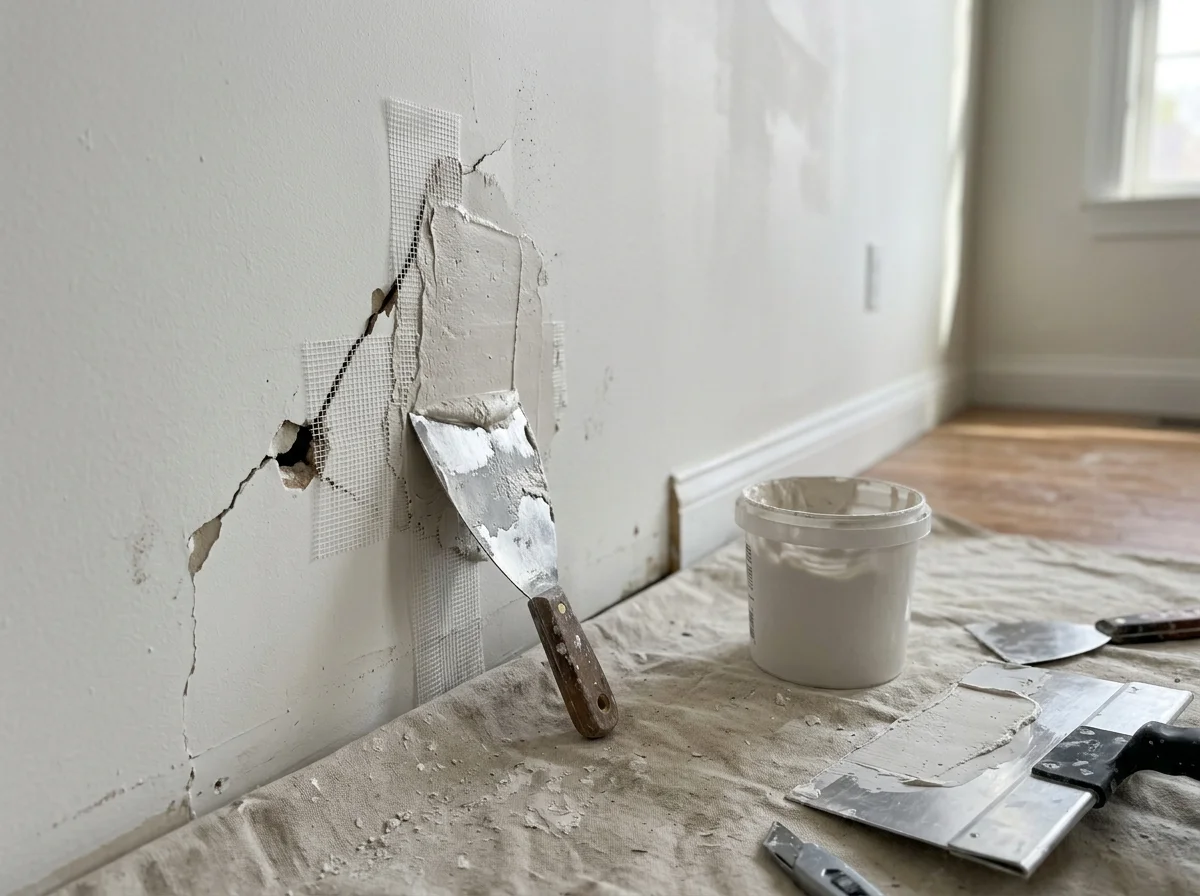
For a ceiling patch Dallas job, the repair may include cutting out the weak section, adding support where needed, fitting new drywall, taping the seams, applying joint compound, sanding, and matching the ceiling texture.
Texture can be just as important as the patch itself. A flat repair may stand out on a knockdown or popcorn ceiling even after it is painted.
You can learn more about the repair process in our drywall patchwork service.
What Happens During Ceiling Leak Drywall Repair?
A good ceiling leak drywall repair starts with checking the damage, not cutting right away. The leak source should already be stopped. The contractor then checks how far the wet or weak area reaches.
If the board can stay, the area must dry before finish work begins. If it needs replacement, the damaged part is removed and a new piece is fitted to the opening. The seams are taped and covered with joint compound. After sanding, the texture is matched and the area is prepared for paint.
The repair should blend into the ceiling instead of leaving a clear square or patch line.
What About Insulation Above the Wet Ceiling?
Wet insulation can hold moisture above the drywall. This can slow drying and make it harder to judge the condition of the ceiling from below.
This is one reason a ceiling stain should not be judged only by what is visible in the room. An attic or ceiling cavity may need to be checked when the leak has soaked the area above the drywall.
If the water came from a dirty source or there is visible mold, extra cleanup may be needed before the ceiling is closed again.
What About Mold After a Ceiling Leak?
Mold risk rises when wet materials stay damp. A musty smell, visible growth, or a leak that went unnoticed for a long time should be taken seriously.
Drywall repair should not cover visible mold or trap moisture inside the ceiling. The moisture source and any needed cleanup should be handled before new drywall is installed.
The repair plan may also change if a large area of insulation or drywall stayed wet for a long time.
Should You Repair the Ceiling Yourself?
A very small cosmetic mark may be simple to touch up once the ceiling is fully dry and the source is fixed. Water-damaged drywall is harder because the main question is not how to spread joint compound. It is whether the material behind the finish is still sound.
Ceiling work is also harder than wall work because the repair is overhead. Large patches need support, clean seams, and a good texture match.
If you cannot tell how wet the board is, if the ceiling is sagging, or if the leak covered a wide area, professional inspection can help avoid repairing the wrong part.
How Much Does Water-Damaged Ceiling Repair Cost?
The cost depends on the repair size and what has to happen before new drywall can be installed. A simple dry patch can cost much less than a job that includes removal, insulation work, drying, new drywall, texture, primer, and paint.
Water source repairs may also be separate. A plumber, roofer, or HVAC company may need to fix the cause before the drywall contractor begins.
For a deeper breakdown of pricing factors, see our water damage repair cost guide.
This keeps the current page focused on the more urgent question: should the wet ceiling be repaired or replaced?
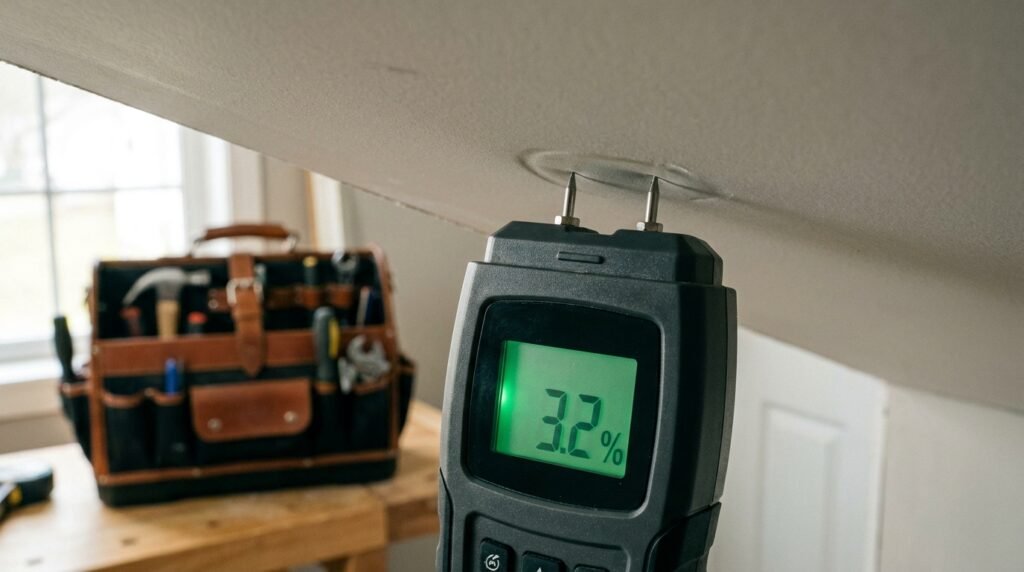
How Do You Know the Ceiling Is Ready for Drywall Repair?
The leak should be stopped, the area should be dry, and the drywall that remains should be firm. Any wet insulation or badly damaged material should already be removed.
The contractor can then decide how large the repair needs to be. Good edges are needed for a solid patch. The new drywall should also match the thickness of the existing ceiling so the finished surface stays even.
After the board is installed, the seams are taped and finished. Texture, primer, and paint come later. Rushing these steps while moisture remains can lead to more problems.
Frequently Asked Questions
Does wet ceiling drywall always need to be replaced?
No. Drywall may sometimes stay in place if it remains firm, flat, and well attached after drying. Soft, swollen, sagging, or badly damaged material is more likely to need replacement.
How long should drywall dry after a ceiling leak?
Drying time depends on the amount of water, air flow, insulation, and size of the wet area. The main goal is to start drying quickly and confirm the area is dry before closing or painting it.
Can I paint over a brown ceiling stain?
Only after the leak is fixed, the ceiling is dry, and the drywall is still sound. A stain-blocking primer may also be needed before the final paint.
What does soft drywall mean after a leak?
Soft drywall can mean the gypsum board has lost strength after taking in water. If it is swollen, sagging, or badly weakened, replacement may be needed.
Who should I call first for a ceiling leak?
Call the trade that can stop the leak first. That may be a plumber, roofer, or HVAC company. A drywall contractor can then repair the ceiling after the source is fixed.
Can ceiling texture be matched after a repair?
Yes. A new patch can be blended with common textures such as knockdown, popcorn, or smooth ceilings. The size of the repair and the existing finish can affect how much blending is needed.
Can a small ceiling stain hide a larger wet area?
Yes. Water can spread above the visible finish, so the stain may not show the full reach of the moisture. The ceiling cavity may need to be checked when the damage is unclear.
Get Water-Damaged Ceiling Repair in Dallas
For ceiling water damage Dallas homeowners should deal with the leak first and the drywall second. Some ceiling board can dry and stay in place. Soft, swollen, sagging, or badly damaged material may need to be removed and replaced.
Patch Pros of North Dallas can help with drywall water damage repair Dallas, ceiling patches, texture matching, and finish work once the source of the water has been fixed.
You can request a drywall repair estimate for your Dallas ceiling project.